Author Archives: Rick Attig









Lovely Lisboa
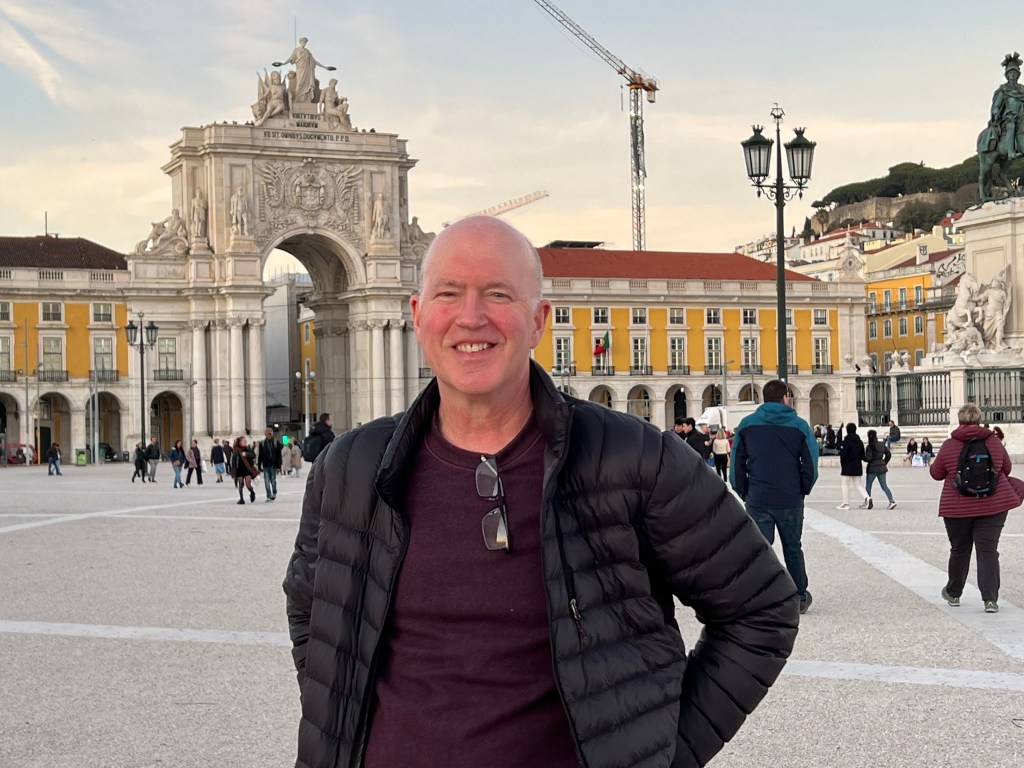
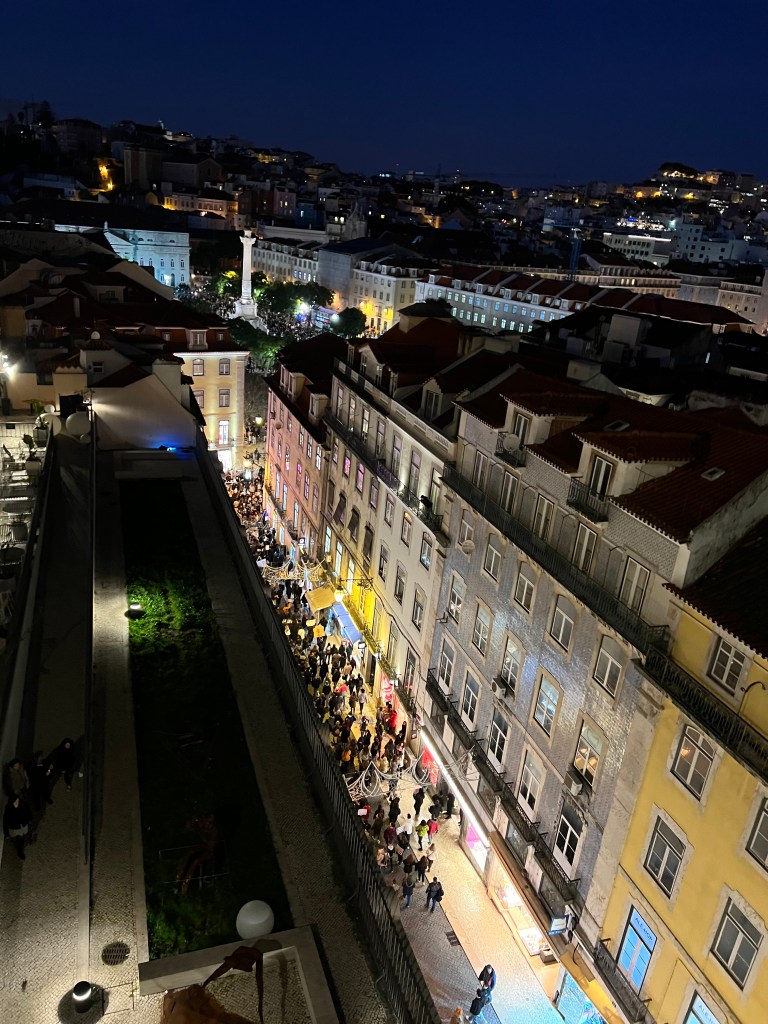
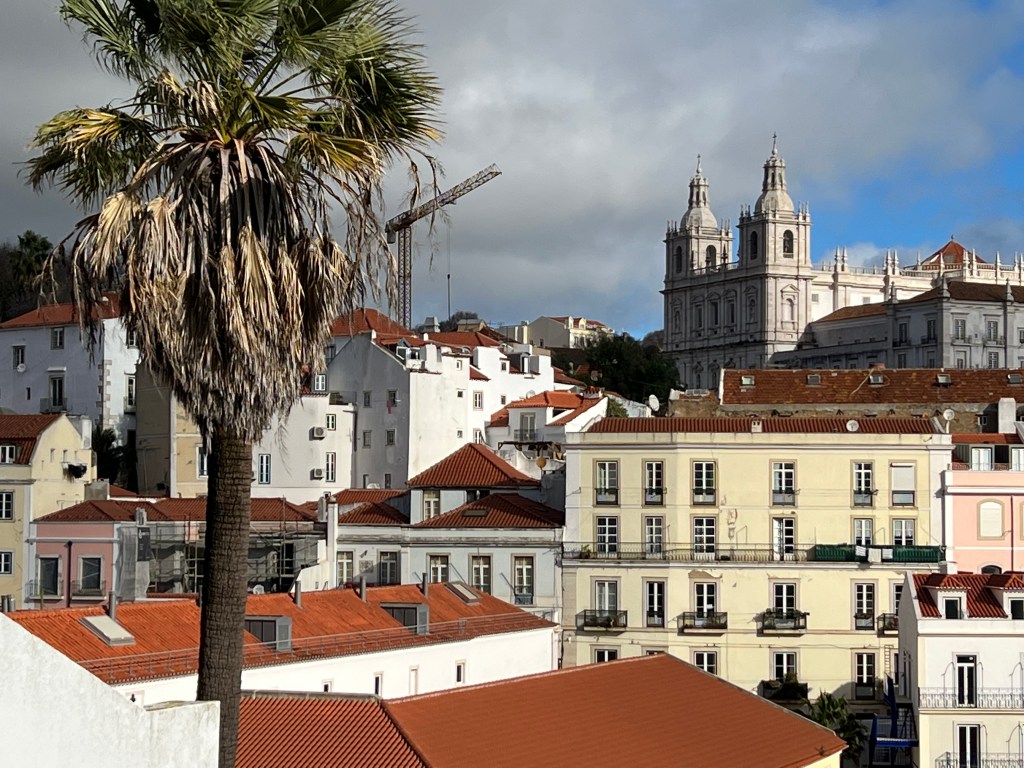
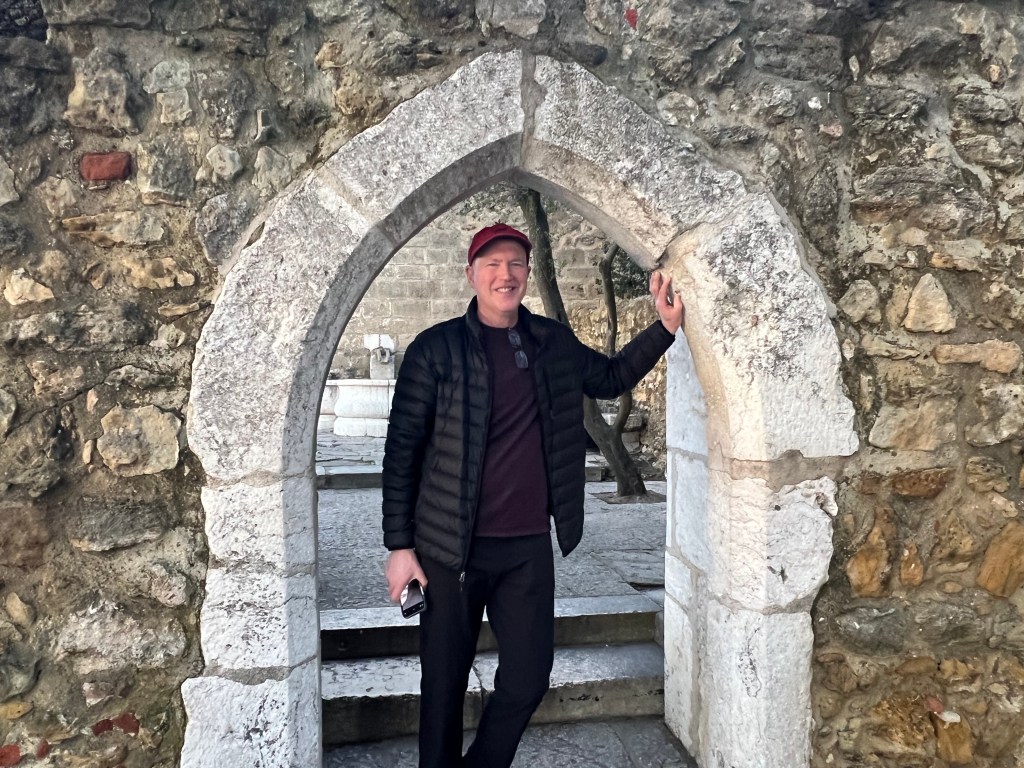
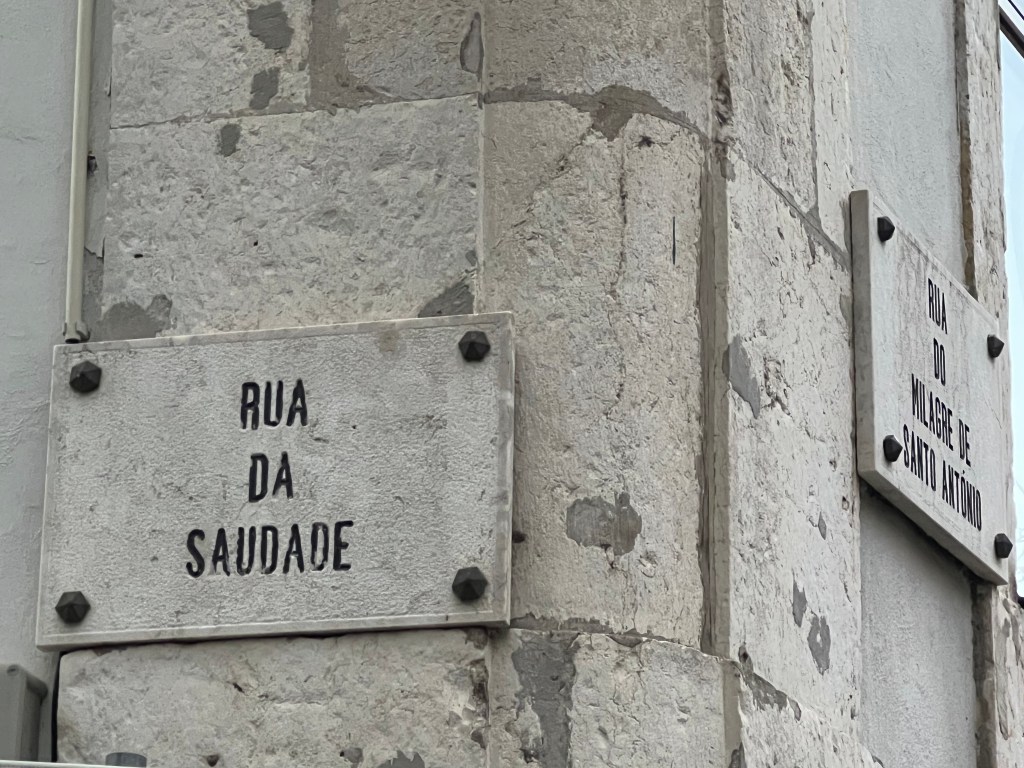
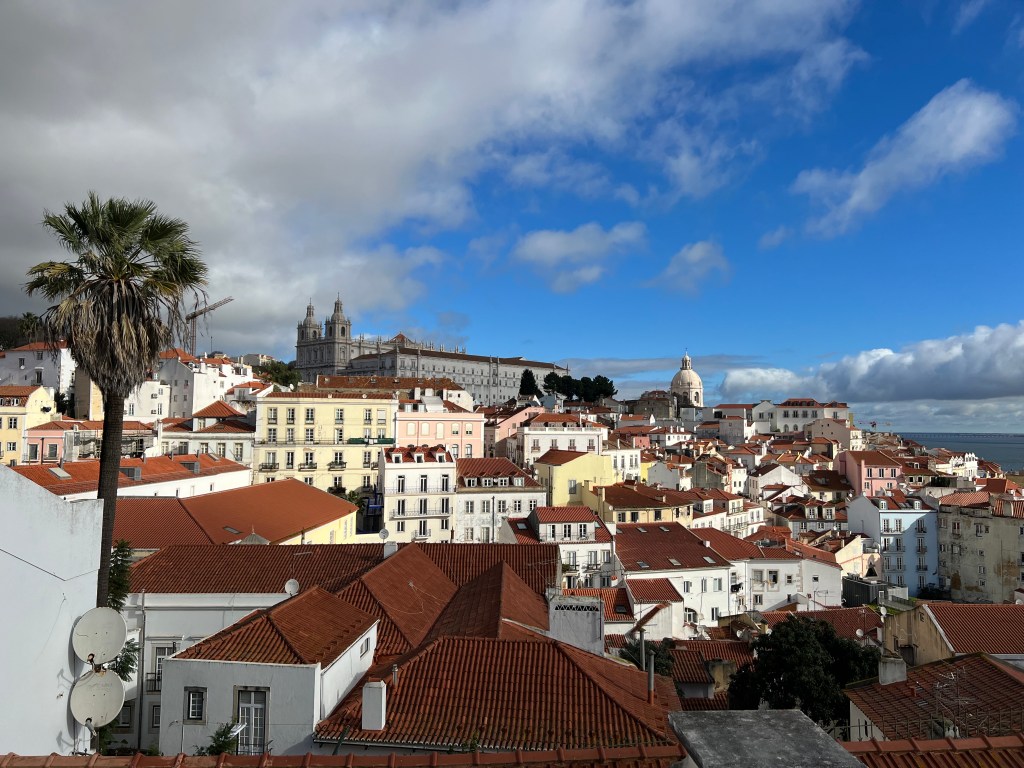
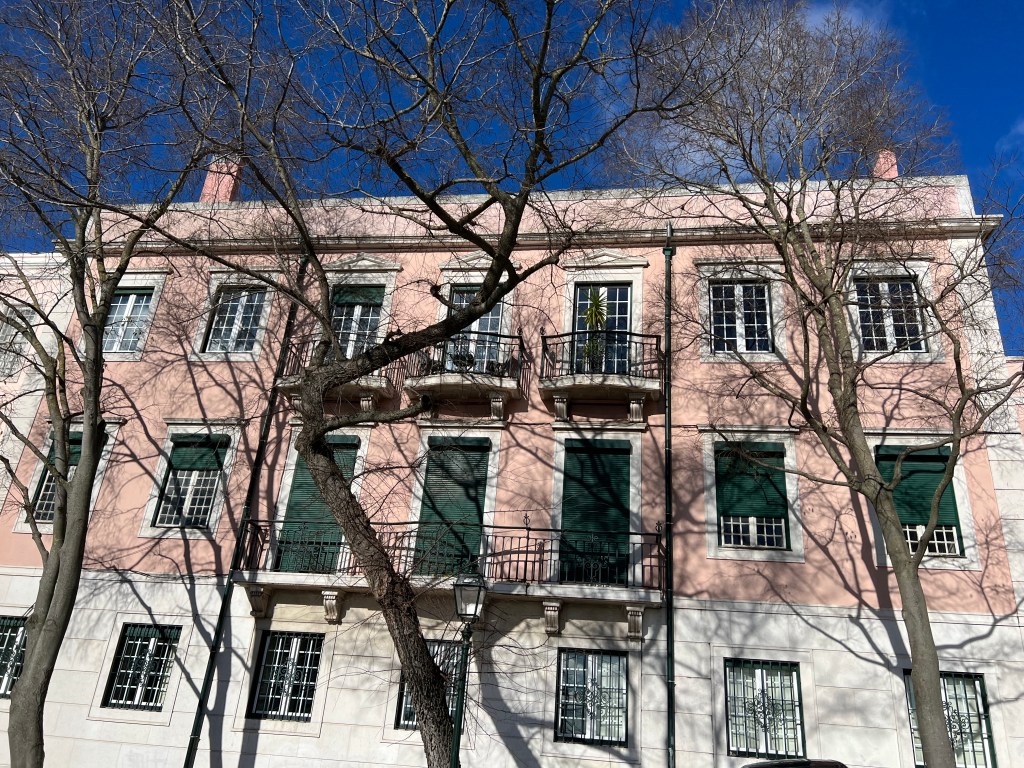
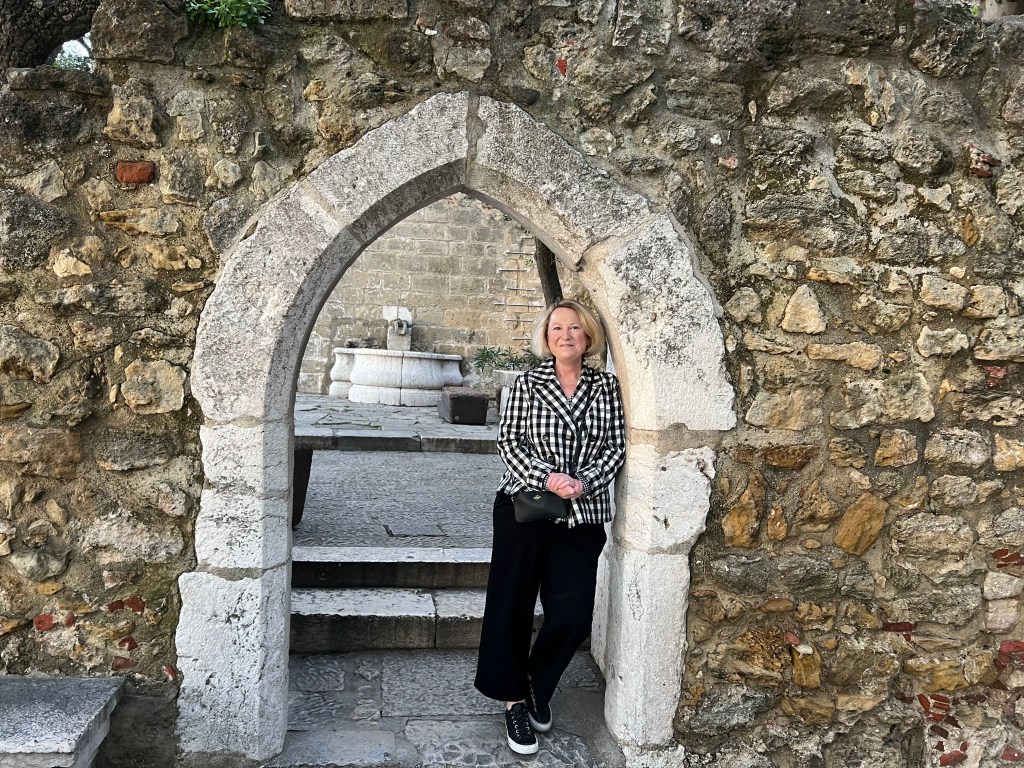
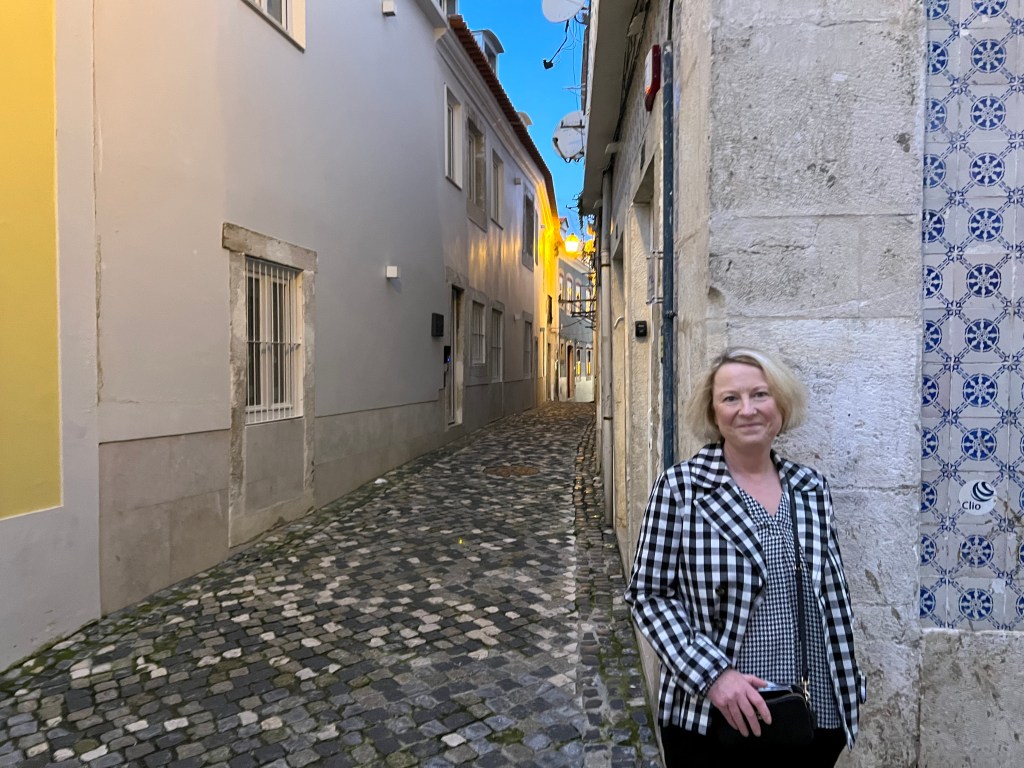
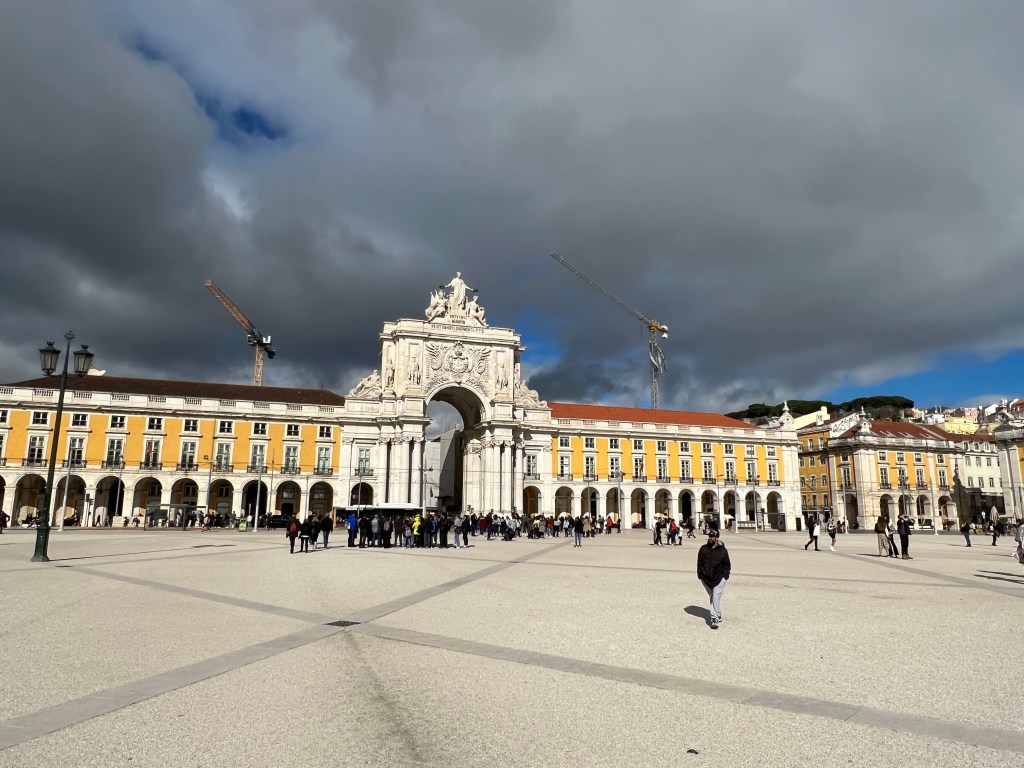
Saturday, January 21, 2022 – Lisbon, Portugal – We arrived yesterday afternoon in time to check in to a lovely little apartment in a converted textile factory in the heart of old Lisbon, on the border between the hilly Afama neighborhood topped with a castle and the Baixa, with broad promenades built after the entire area was destroyed in the great 1755 Lisbon earthquake. We like being a the epicenter of it all. After dropping our bags and fighting jet lag, we climbed up the Alfama, a neighborhood rich with history dating back to the Phoenicians – it is studded with ancient Roman ruins, followed by hundreds of years of occupation by Goths and Moors. Its winding streets include the old Jewish quarter, the ruins of a Roman amphitheater from the age of Augustus that seated 4,000 and a 12th century Gothic cathedral built on the remains of a mosque. At the top of the hill is a rebuilt castle that dates back to the Moorish rule of Lisbon, between the 8th and 12th centuries.

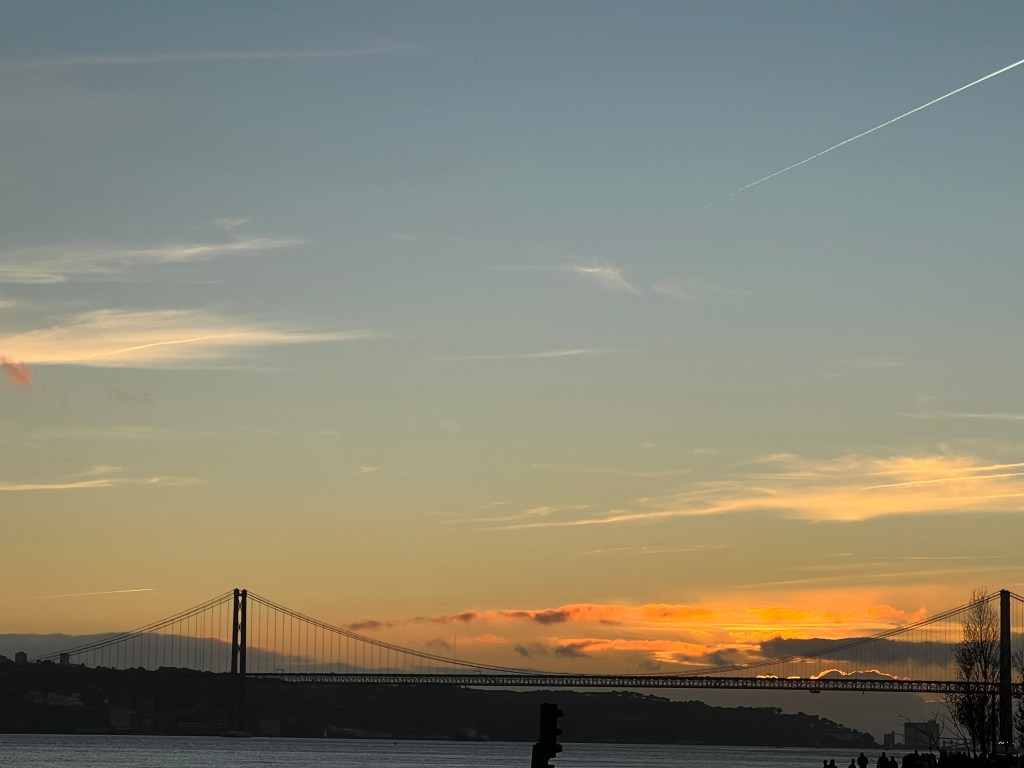
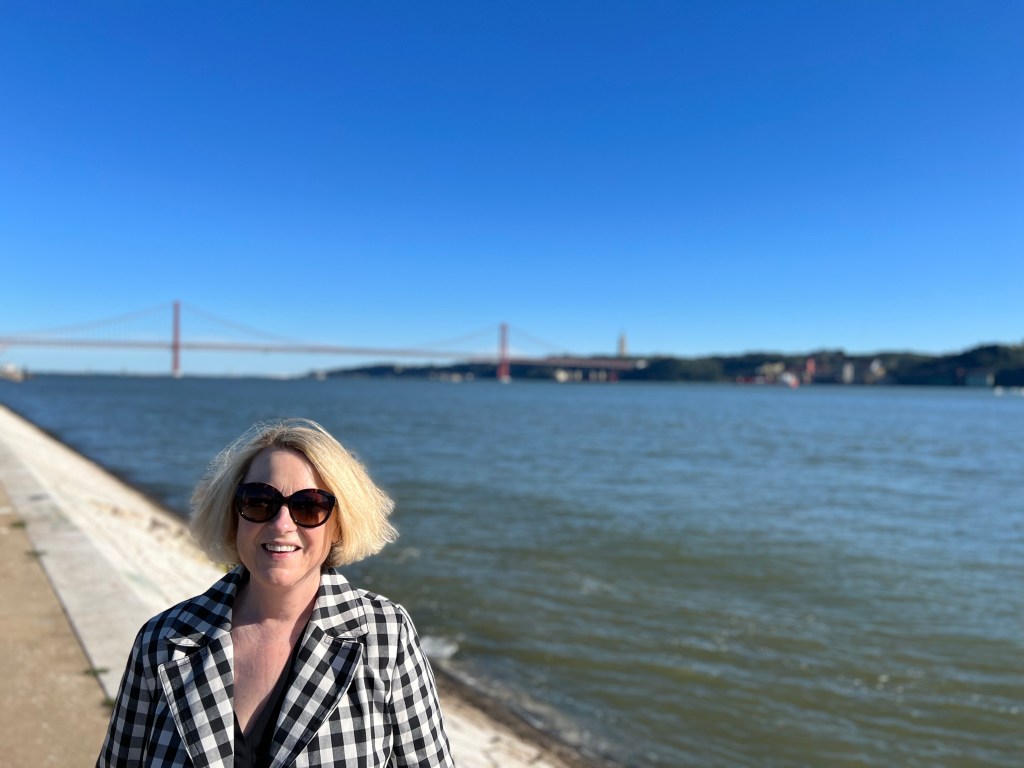
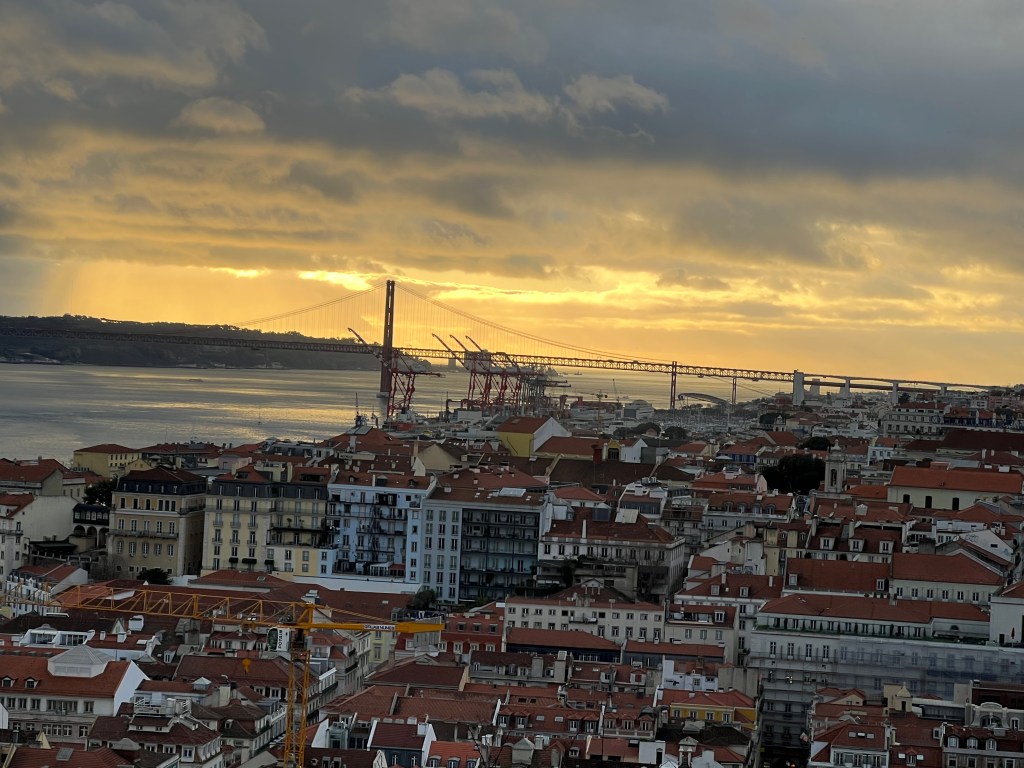
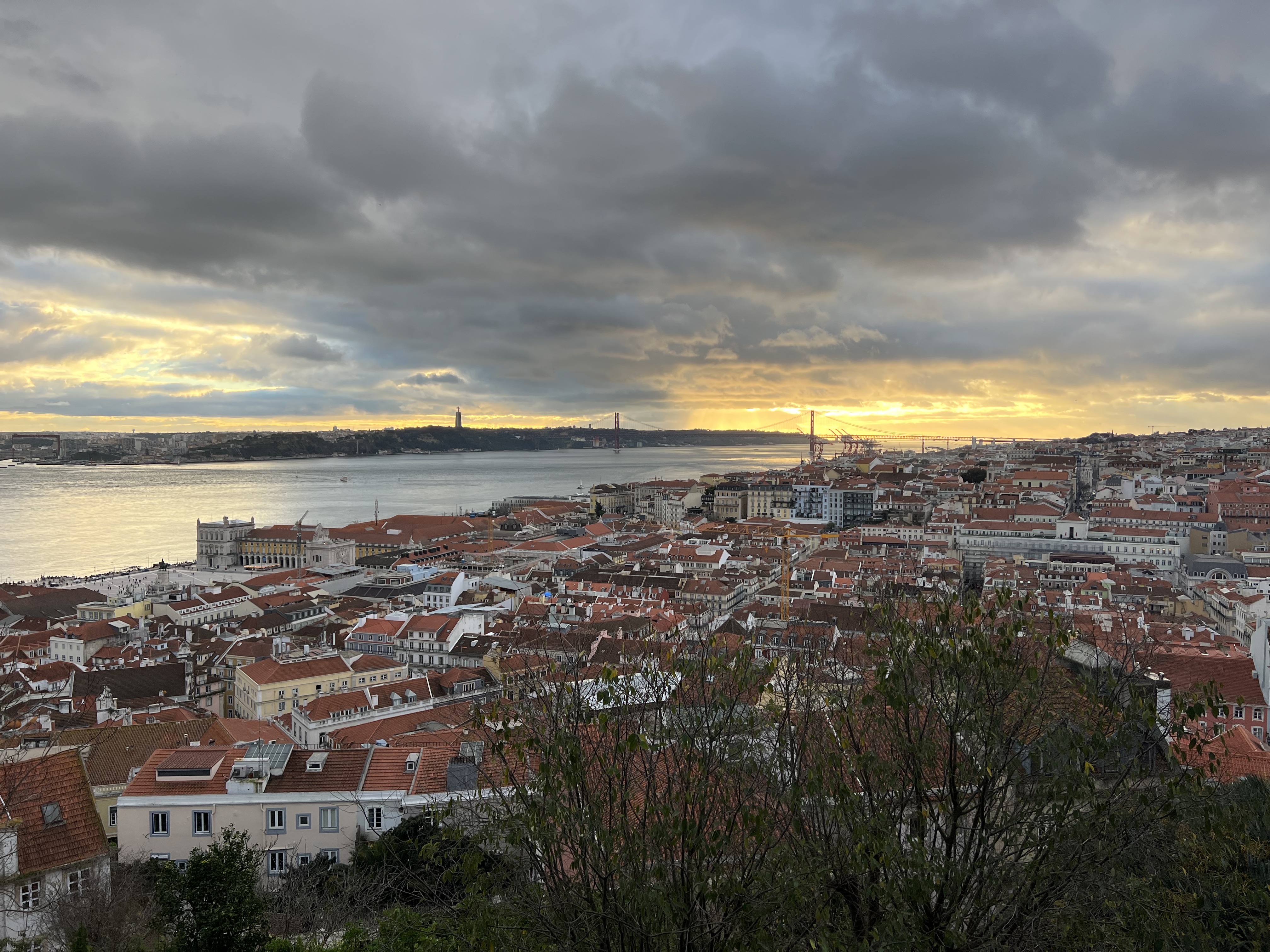
The ramparts, though rebuilt in the past 100 years or so, have a stunning panoramic view of the city, down to the harbor on the Tagus River where the riches of the 15th and 16th century Portuguese empire came to shore. We caught the sunset from the ramparts – it was stunning to see the city spread out below us, the sun and the clouds behind the Bridge of the 25th of April, a Golden Gate lookalike celebrating Portugal’s Carnation Revolution which ended decades of dictatorship in the 1970s. The city is so rich in history, and so atmospheric, with colorful houses, winding streets, and vistas of the water from its many “miradouros” or viewpoints. With its vintage yellow trams and steep streets, it evokes San Francisco, but much more charming and with better views. No offense, San Francisco. But Lisbon is pretty damn cool.
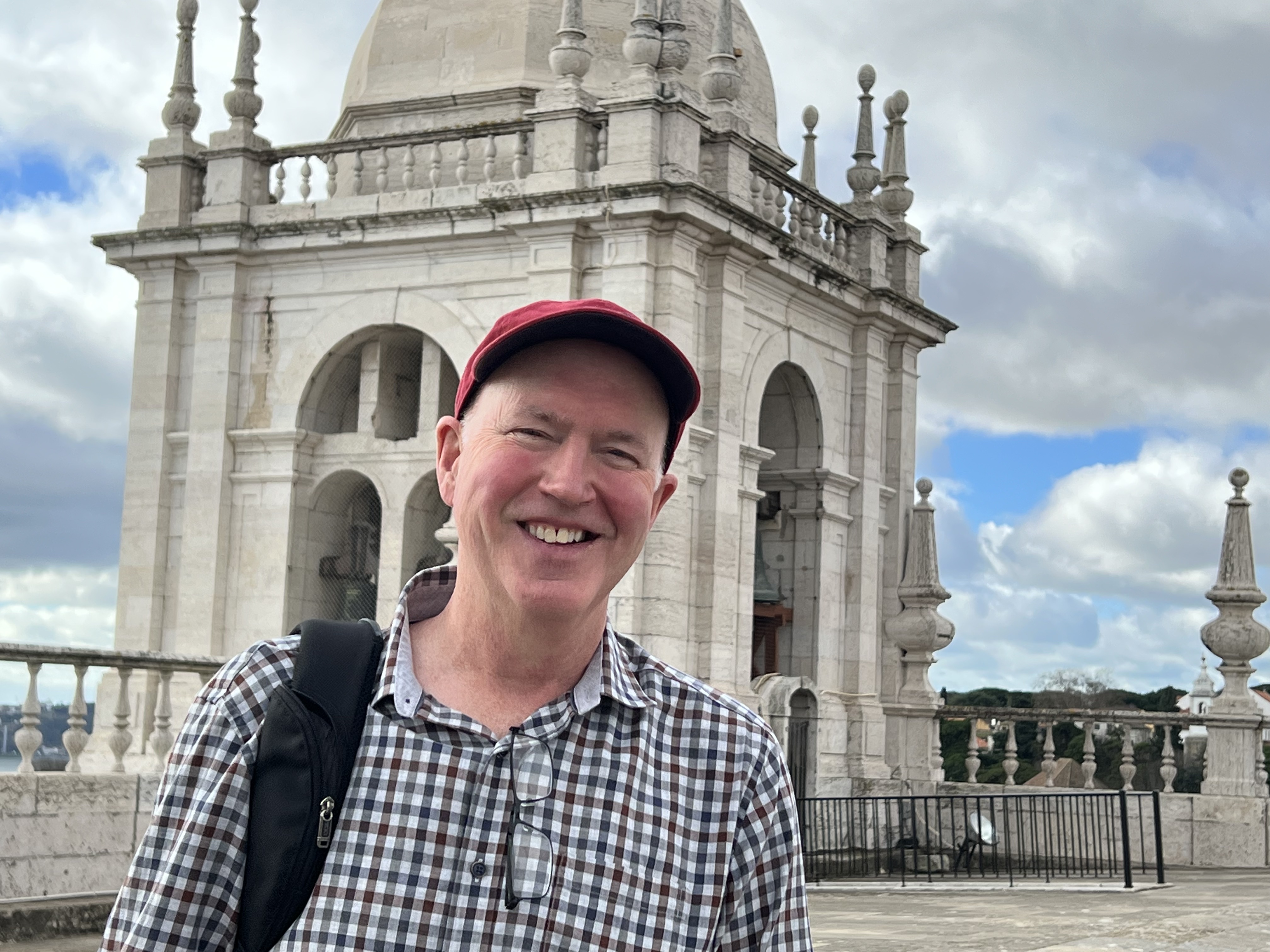
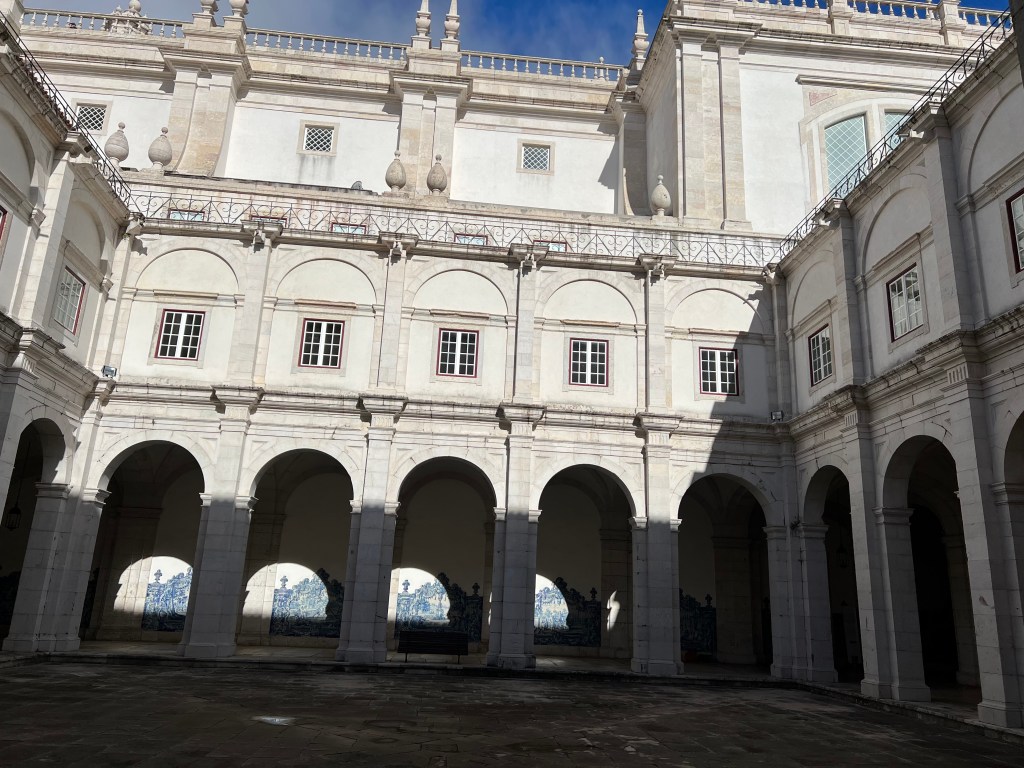
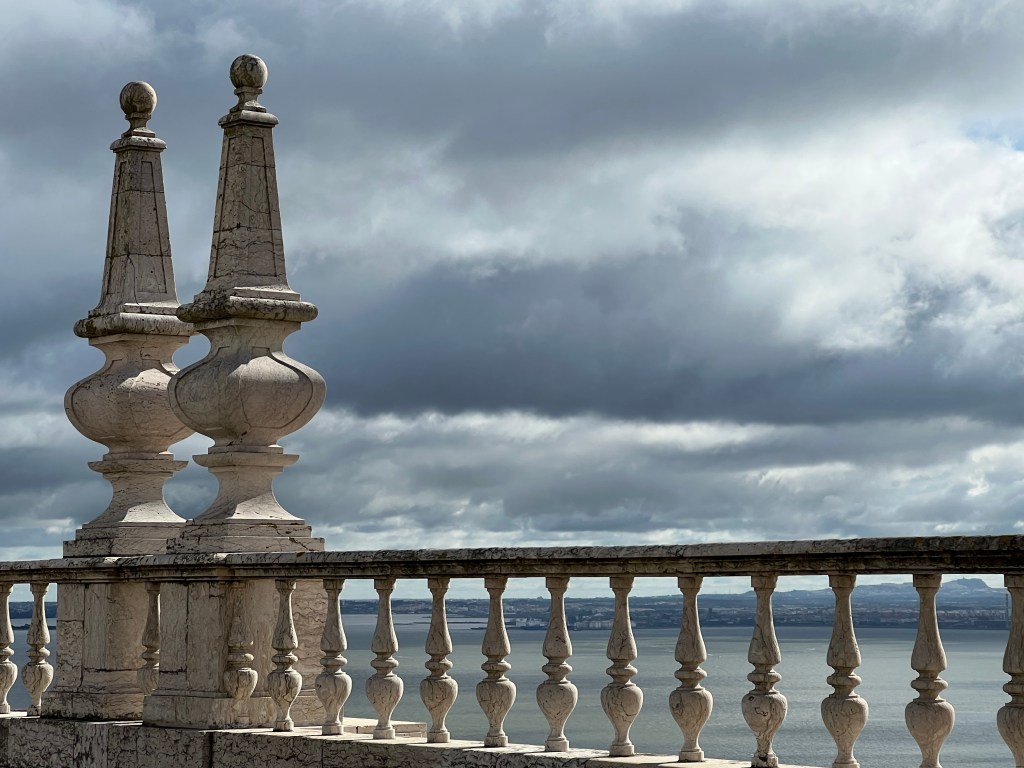
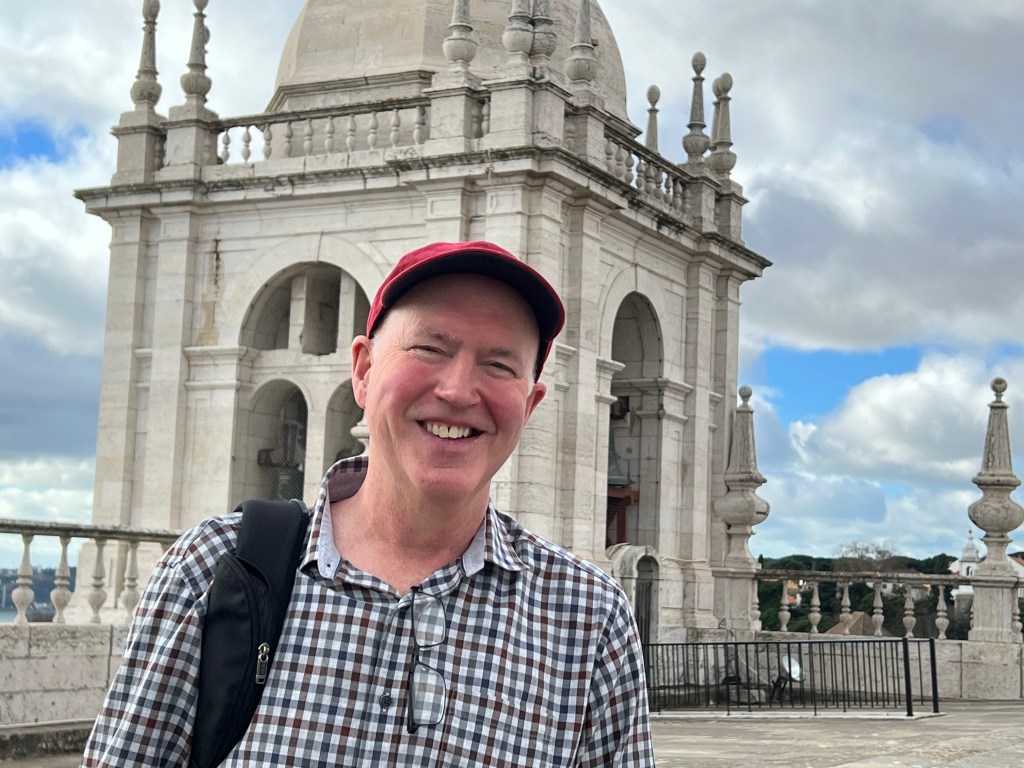
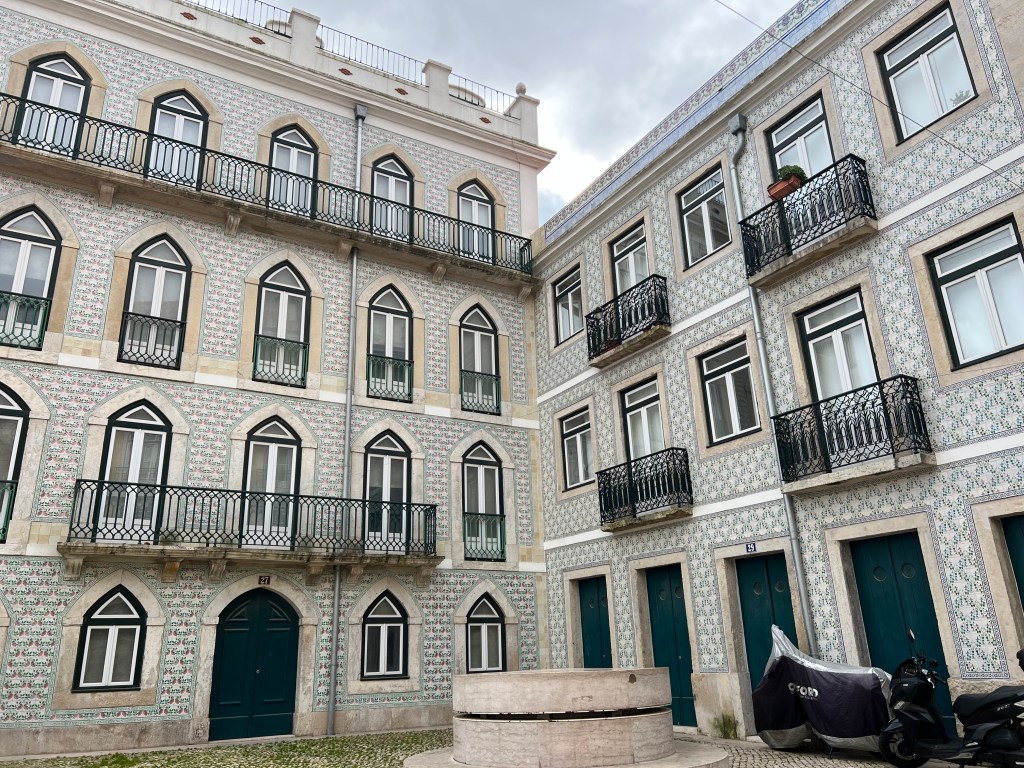
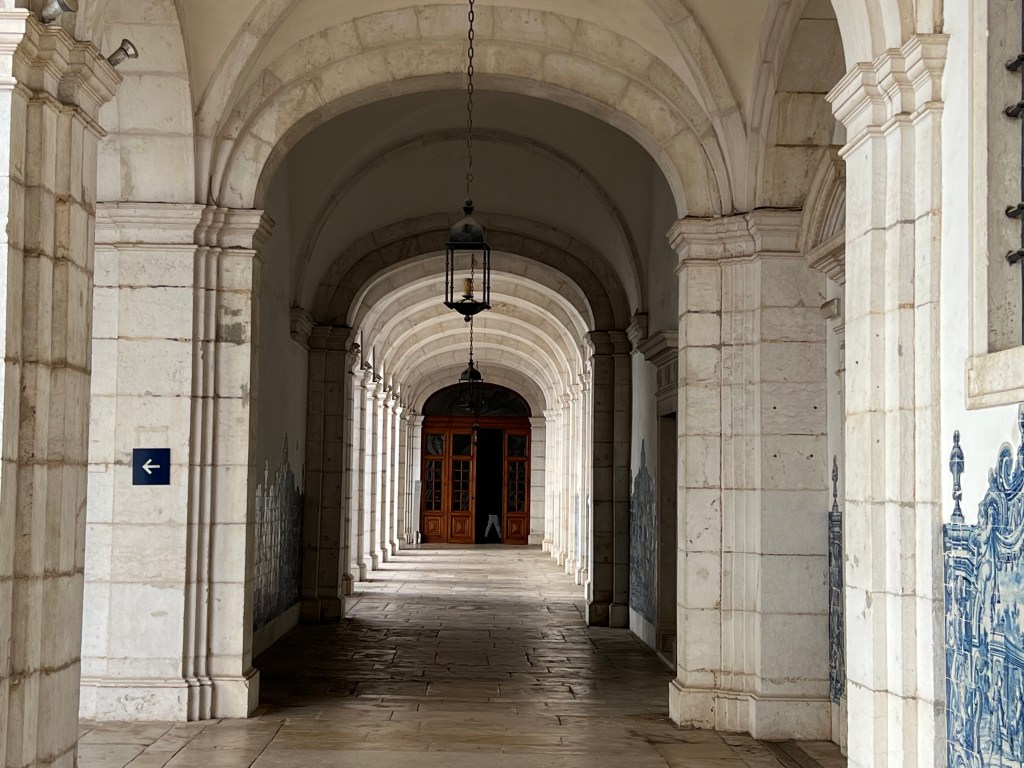
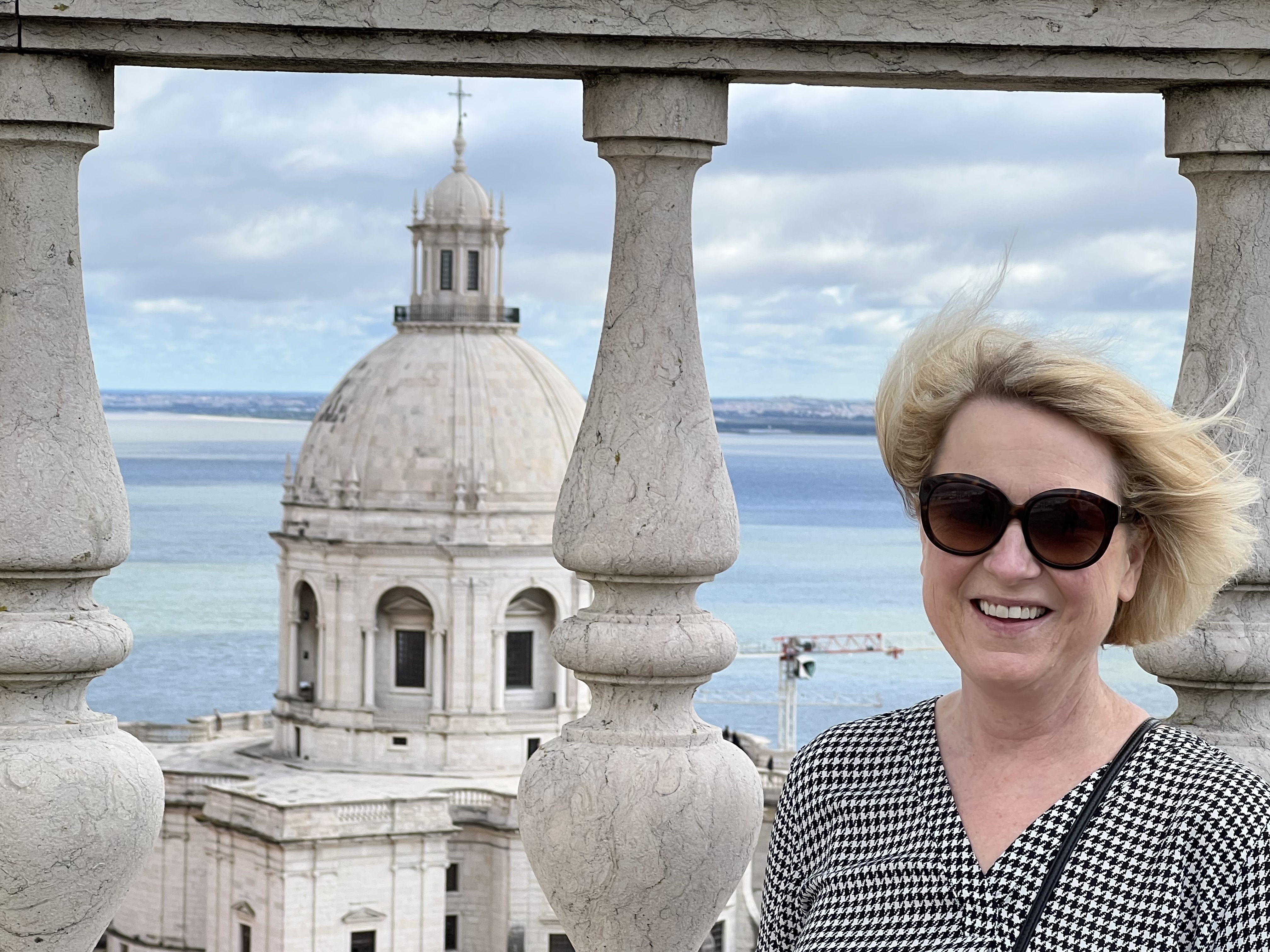
This morning we headed back out to the Alfama, where we visited the Monastery of Sao Vicente, the patron saint of Lisbon. It was here that hundreds had gathered on All Saint’s Day 1755, when a massive 9-magnitude earthquake, tsunami and fire leveled much of the city. Unfortunately, the church also collapsed, killing many inside. It was rebuilt, and the church and monastery are filled with the classic blue and white azulejos, or tiles, that are iconic to Portugal. The art form was adapted from the ceramic tiles that the Muslim Moors had used – they were beautiful and also helped keep the buildings moisture-proof and cool. There were spectacular views from the top of the monastery, looking over the river and the Pantheon nearby.
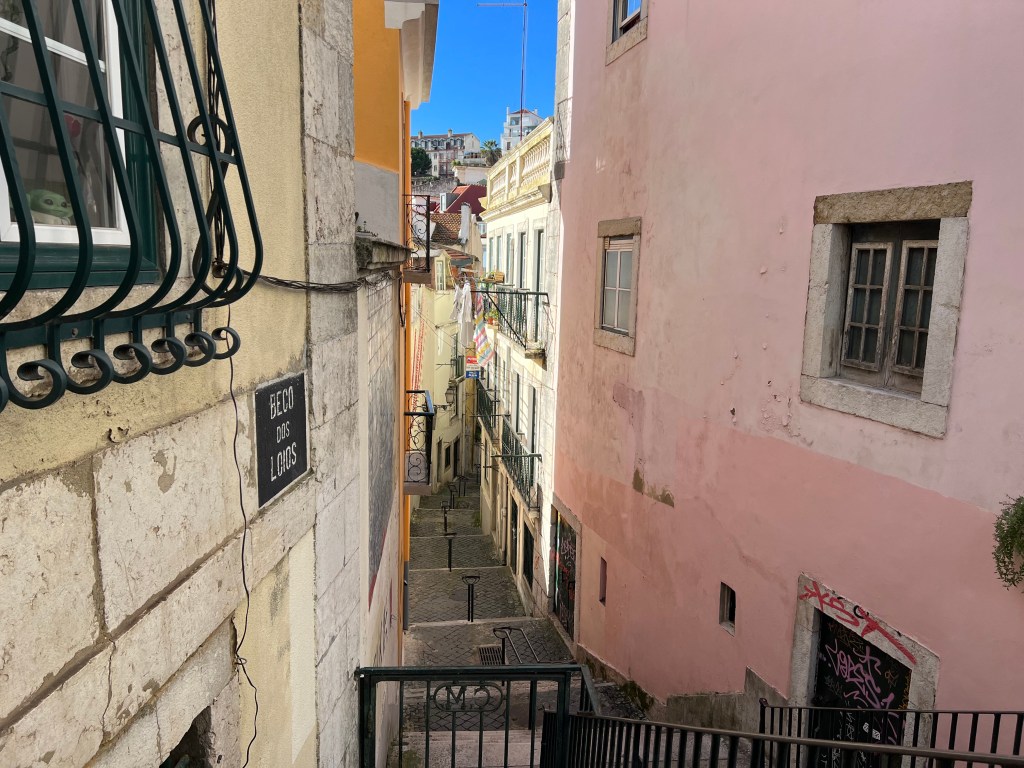
We had a wonderful walk back through the twisting alleys of Alfama, further from the touristy areas around the castle. At one point, we were walking down a narrow, stepped alleyway and there appeared an old woman in a doorway selling tiny cups of ginjin, the cherry liquor Lisbon is famous for, for 1 Euro. We were charmed by her sudden appearance and bought two. She explained as we sipped that the cups were chocolate and we could eat them – just like on the New Year’s Eve of my childhood! I told my mother this the other day, that she had always given us a shot of some liquor in chocolate cups on NYE and she denied it. 🙂 It was a quiet, charming area of the city, and there were few tourists. The rest of the city is much busier than we had imagined January would be – the “off-season.” If it is this crowded now, I cannot imagine how it will be this summer. It must be that everyone, the world over, is eager to get out and travel again after the pandemic. There are few Americans, but many French and Italians, a few English – mostly college-aged kids – and a lot of Portuguese on tour. But the streets are quite crowded in places. This is good, I suppose, for Lisbon, but it’s not what we expected in the dead of winter.
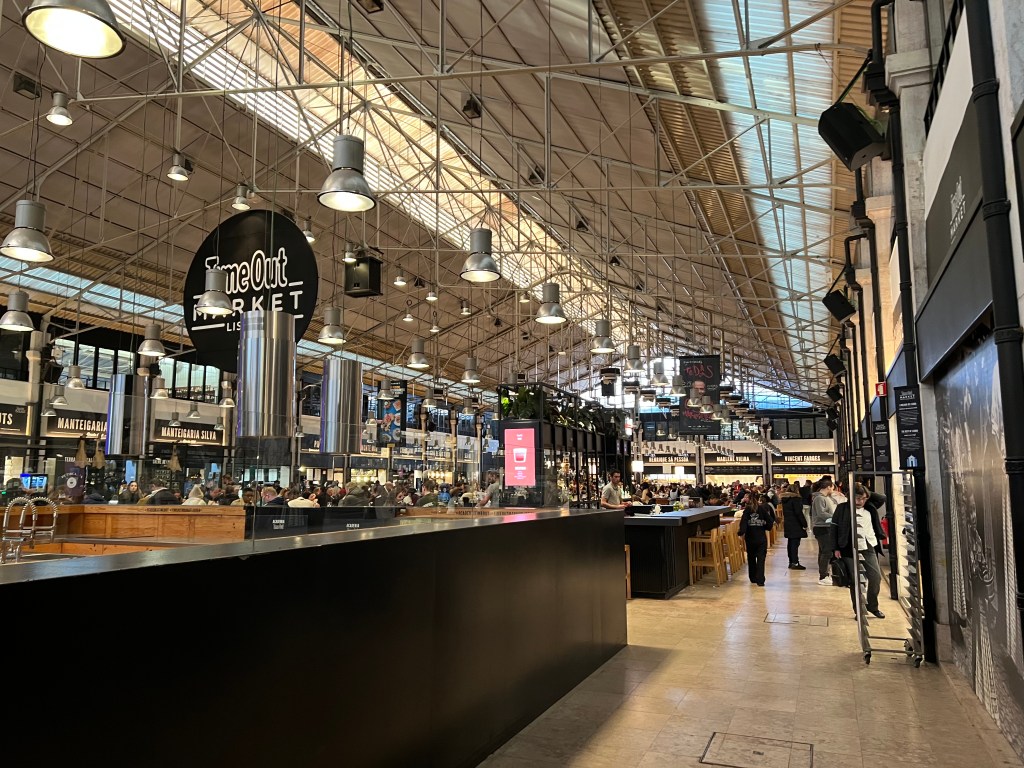
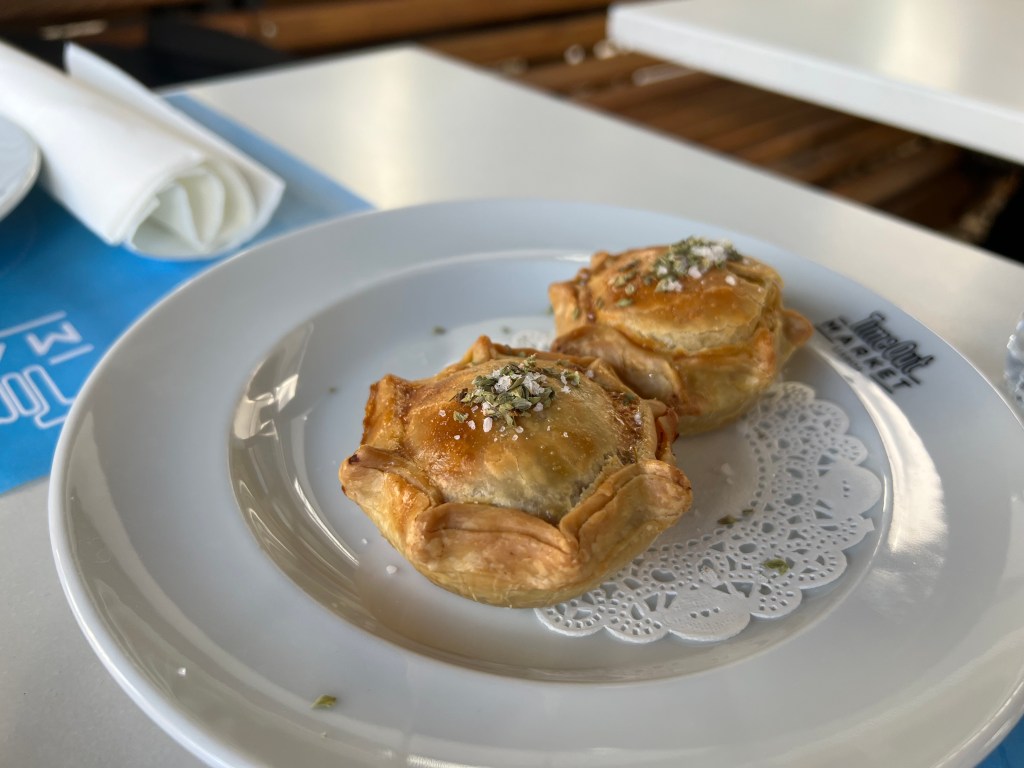
Speaking of winter, it was 65 degrees today and hot in the sun – cool in the considerable ocean breeze – in a word, perfect. We just got back from a nice dinner at Pateo, a seafood restaurant up in the Barrio Alto, a “downscale” restaurant by the upscale chef Jose Avillez. We had an amazing shrimp, avocado, apple and lettuce taco and some truffle burrata with honey, pine nuts and water cress, followed by a delicious grilled squid entree for me. And Rick, well, he chose poorly, and ordered one of their “signature” dishes – shrimp in a bread mush with raw egg stirred in. It was sadly hilarious. Fortunately, he had a few of my squid. But it was a wonderful place, and meal, and a sign of the serious foodie nature of this city. We had lunch earlier at the trendy Time Out Market -what Portland has always dreamed of – a vast foodie mecca filled with stalls featuring less-expensive fare from Michelin chefs and others. It was absolutely jammed on a Saturday, but we found a table at a restaurant outside and had a fine lunch before I dragged Rick back up another hill to the Chiado to trace the footsteps of a famous character in a novel by Nobel laureate Jose Saramago. Rick still needs to finish the novel, so he wasn’t quite as excited as I was to see the streets and the places the main character inhabited, but hopefully he will be so inspired by our trip that he will finish the novel.
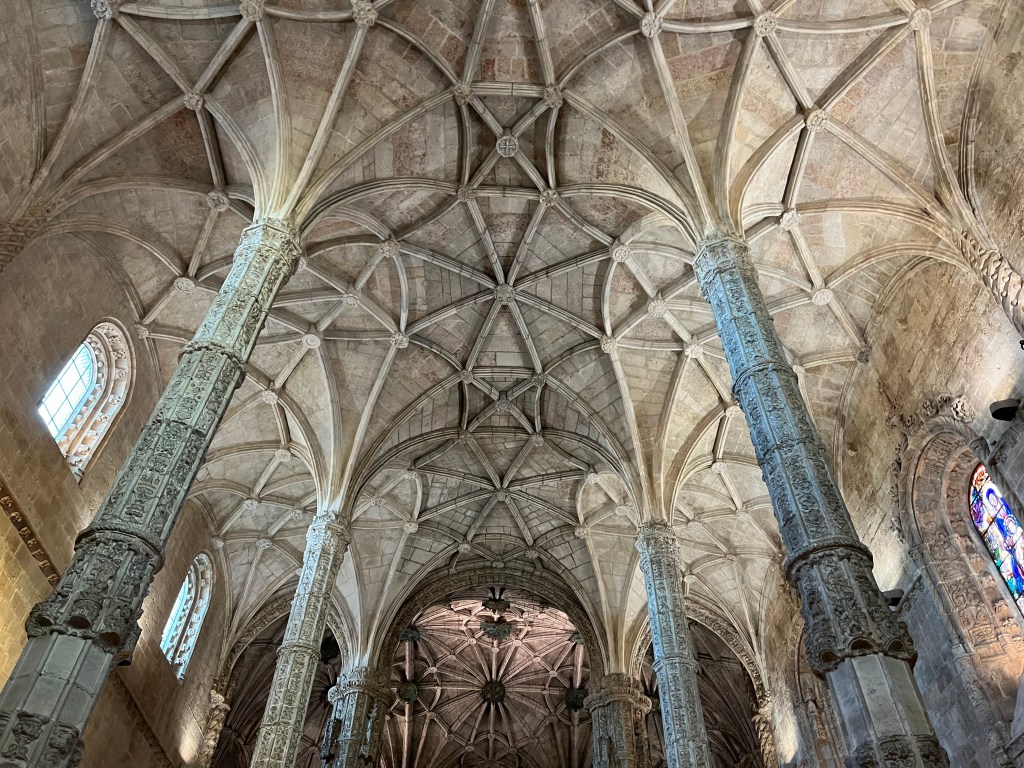
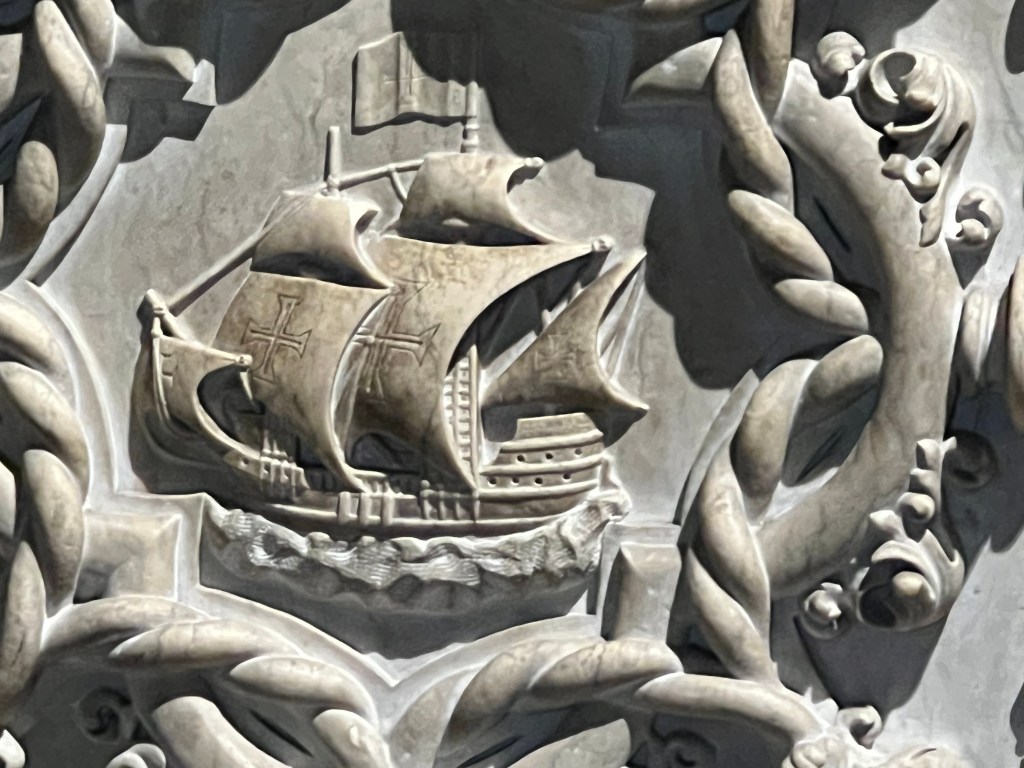
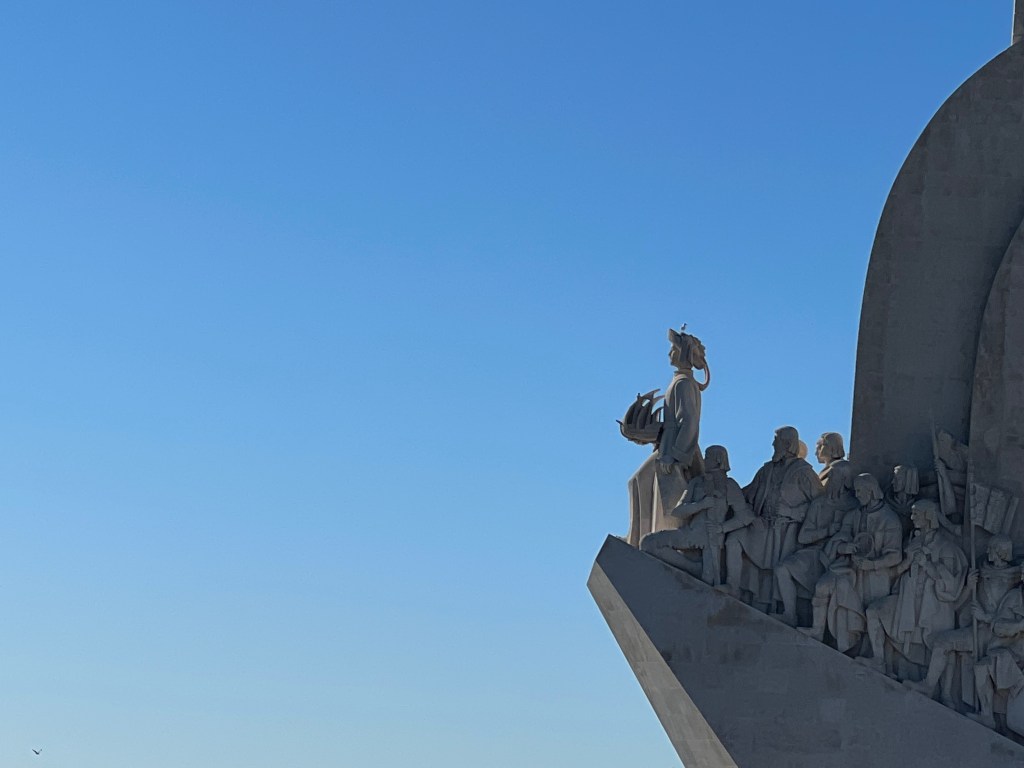
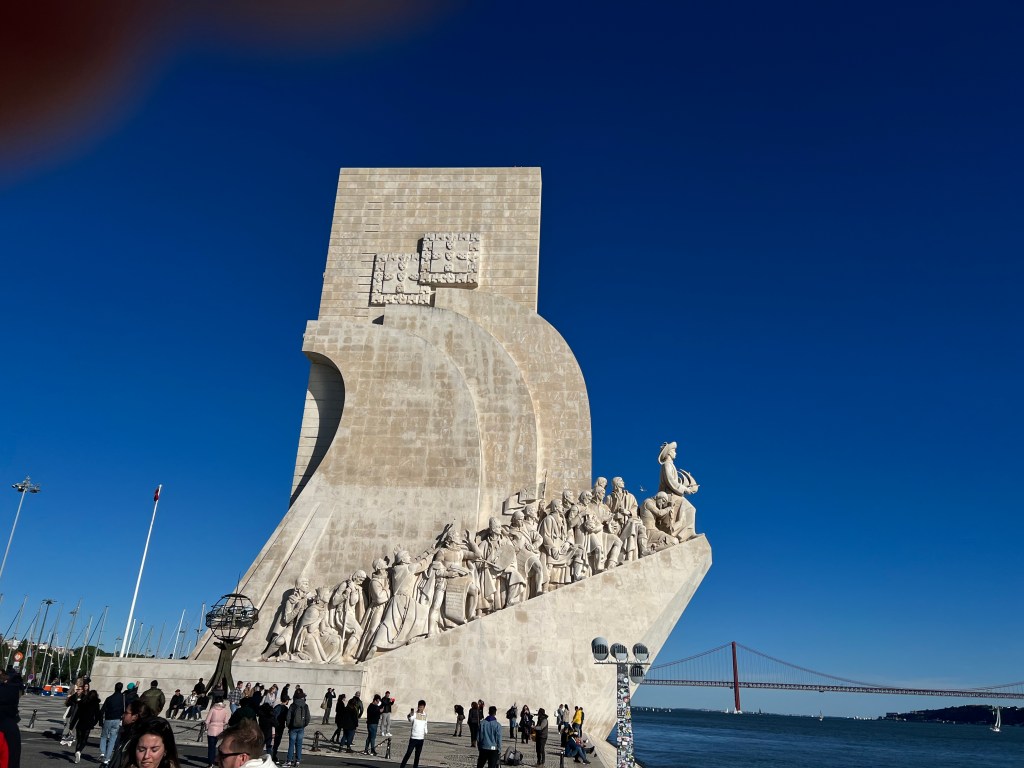
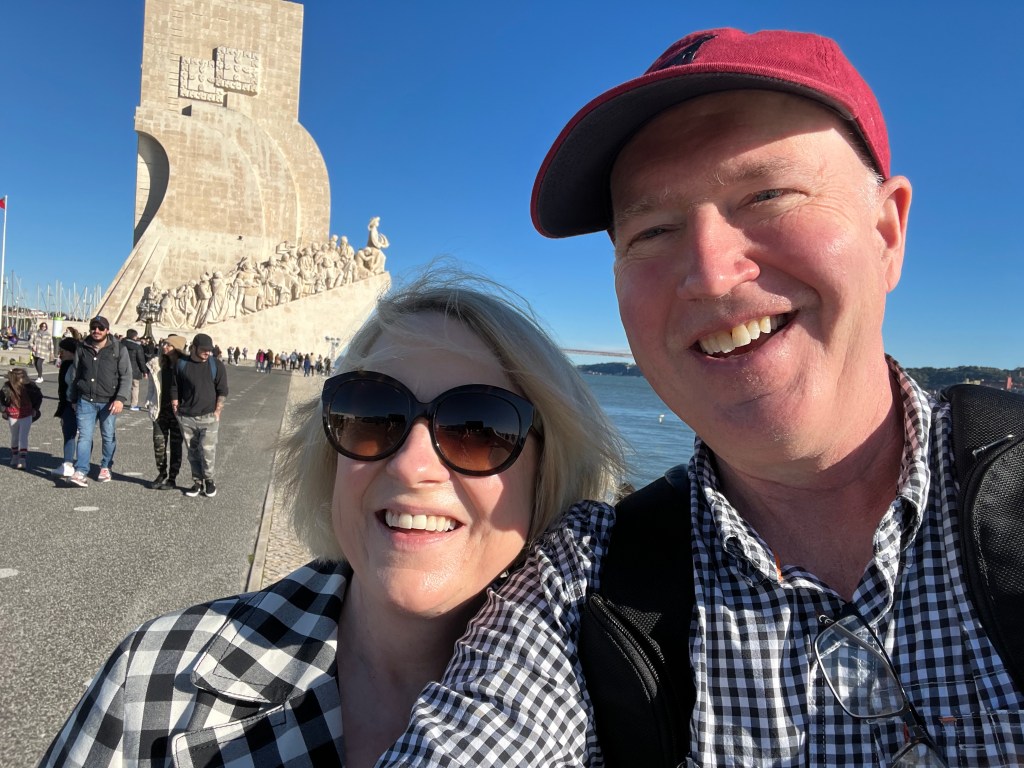
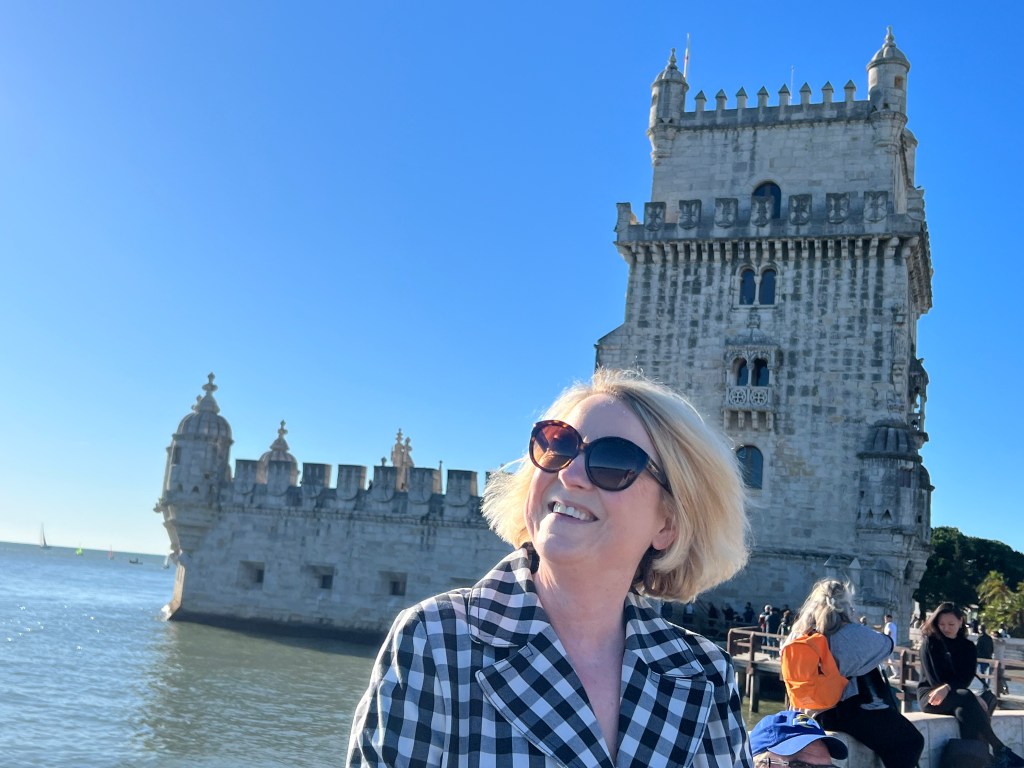
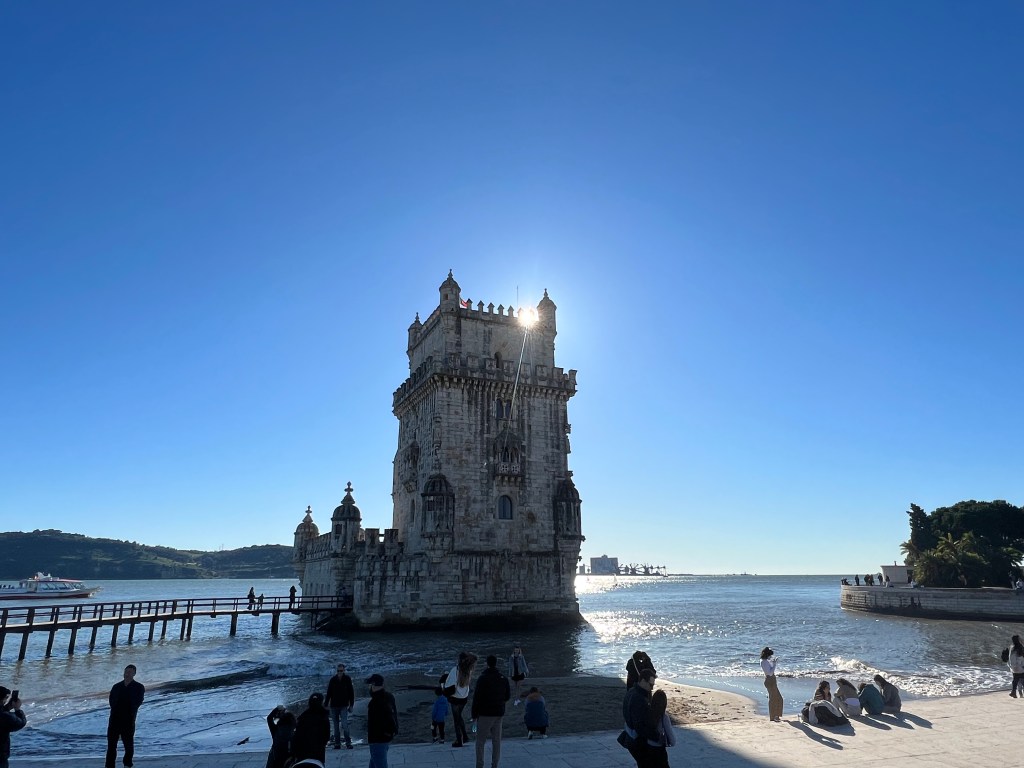
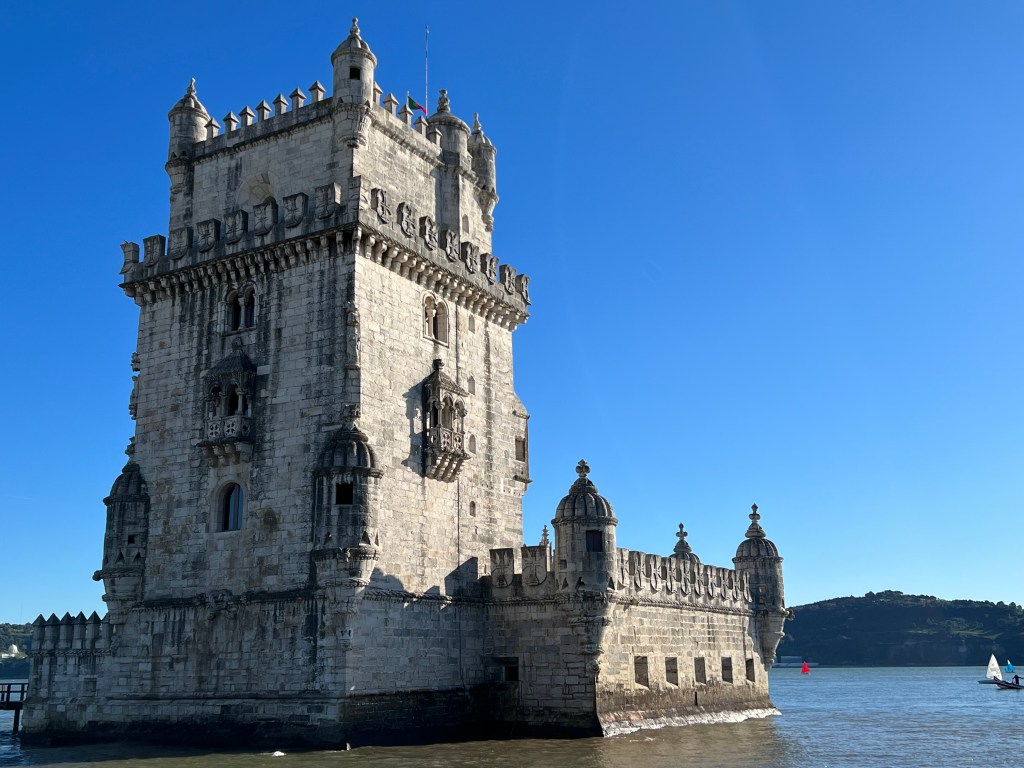
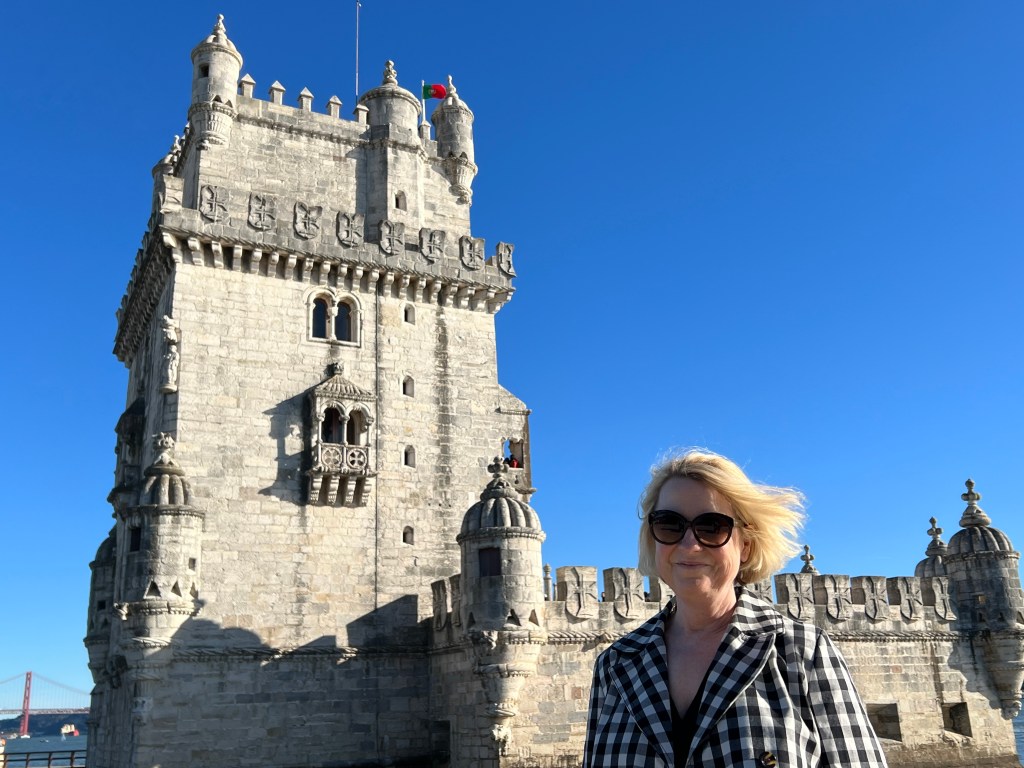
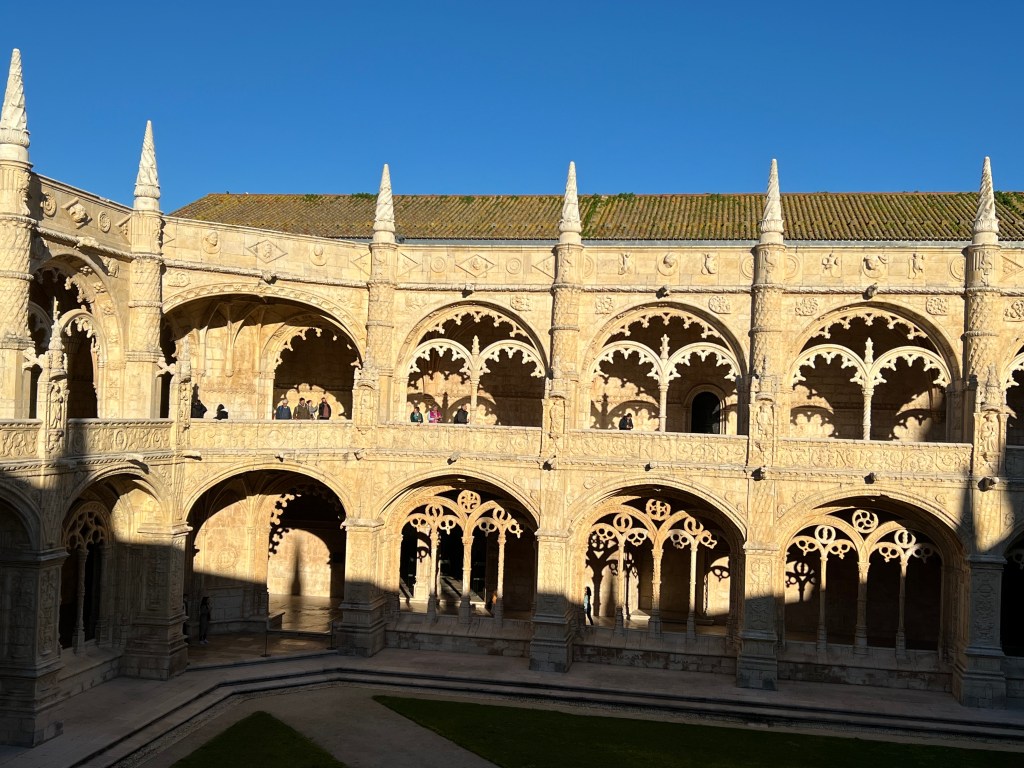
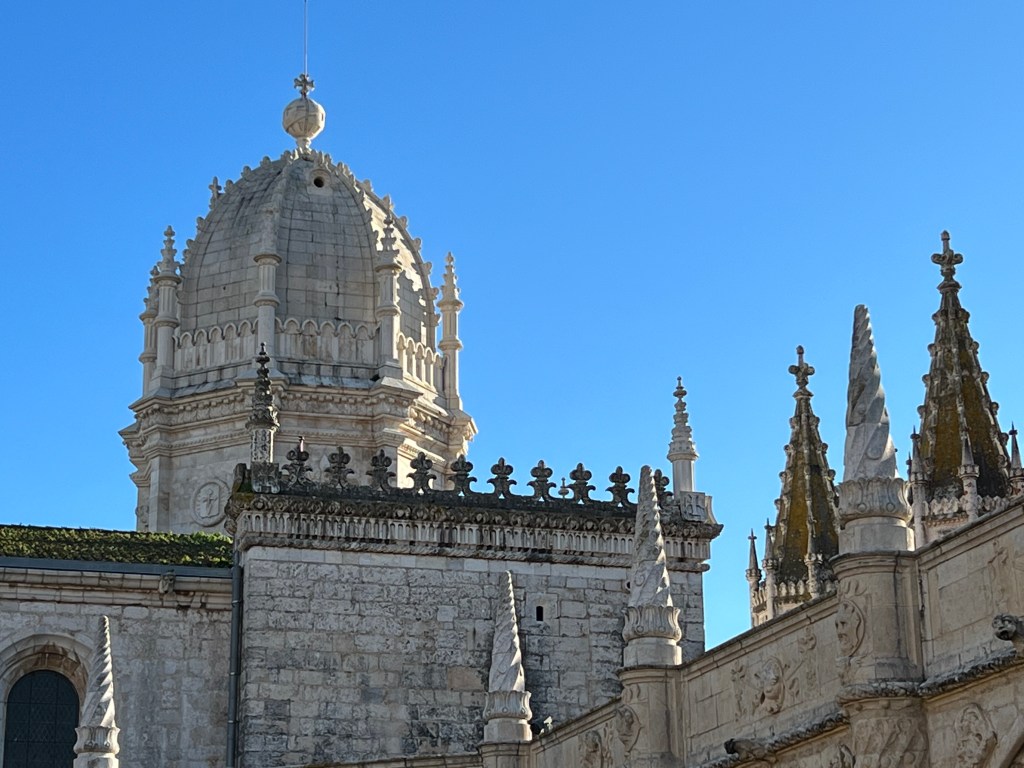
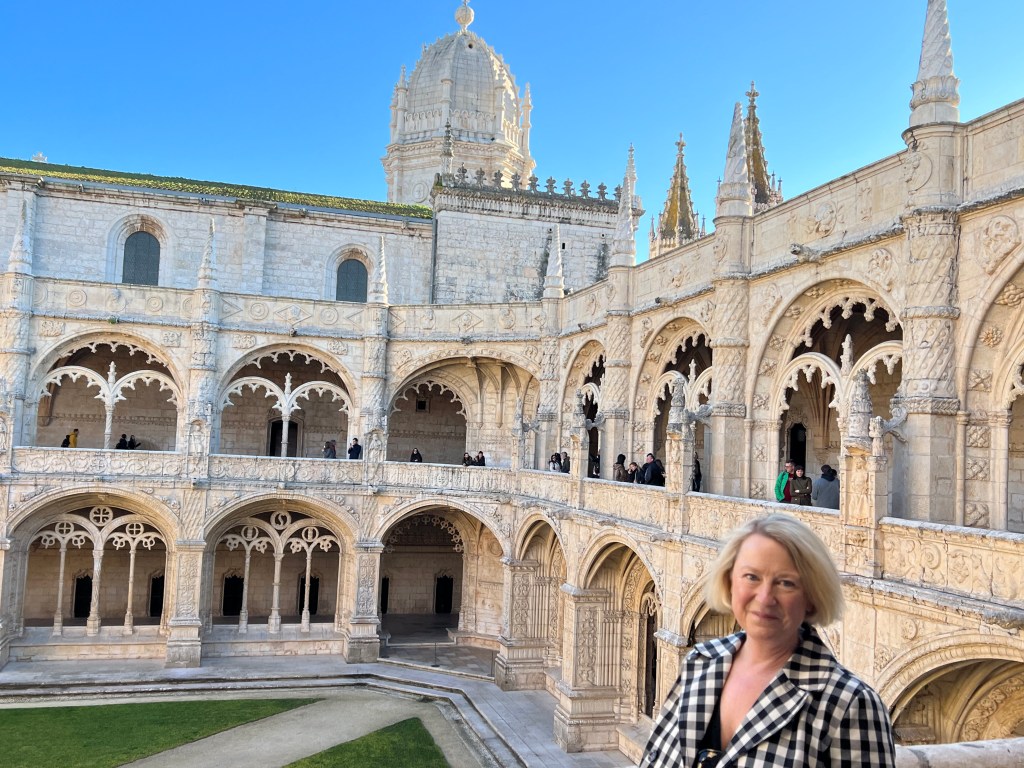
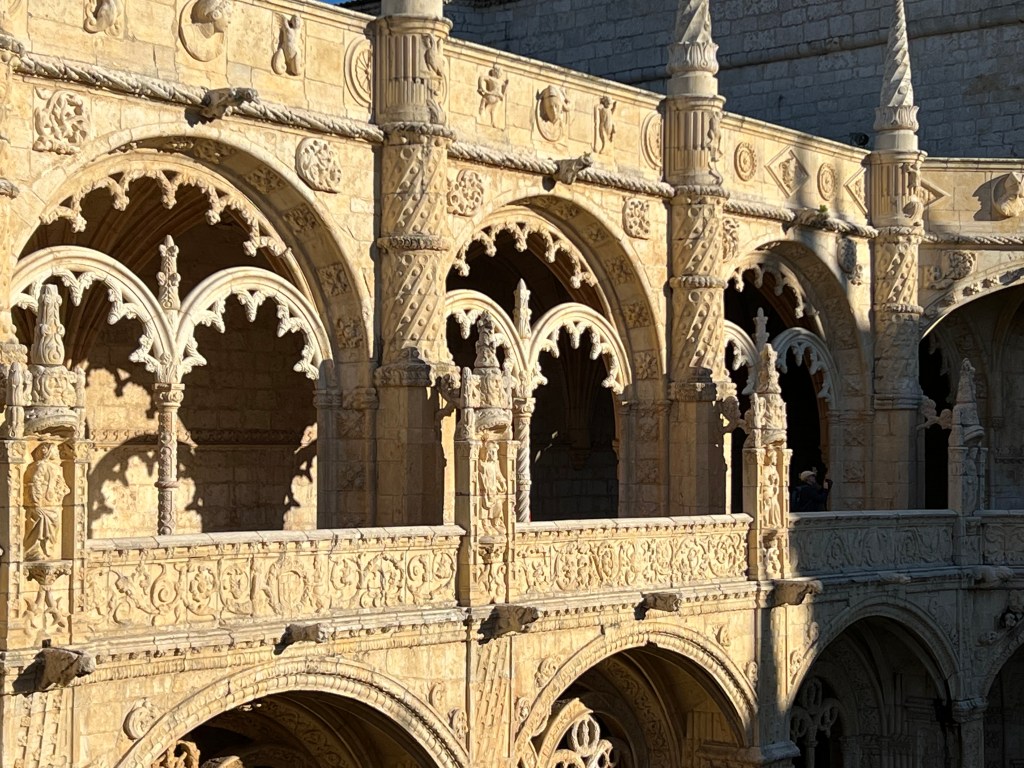
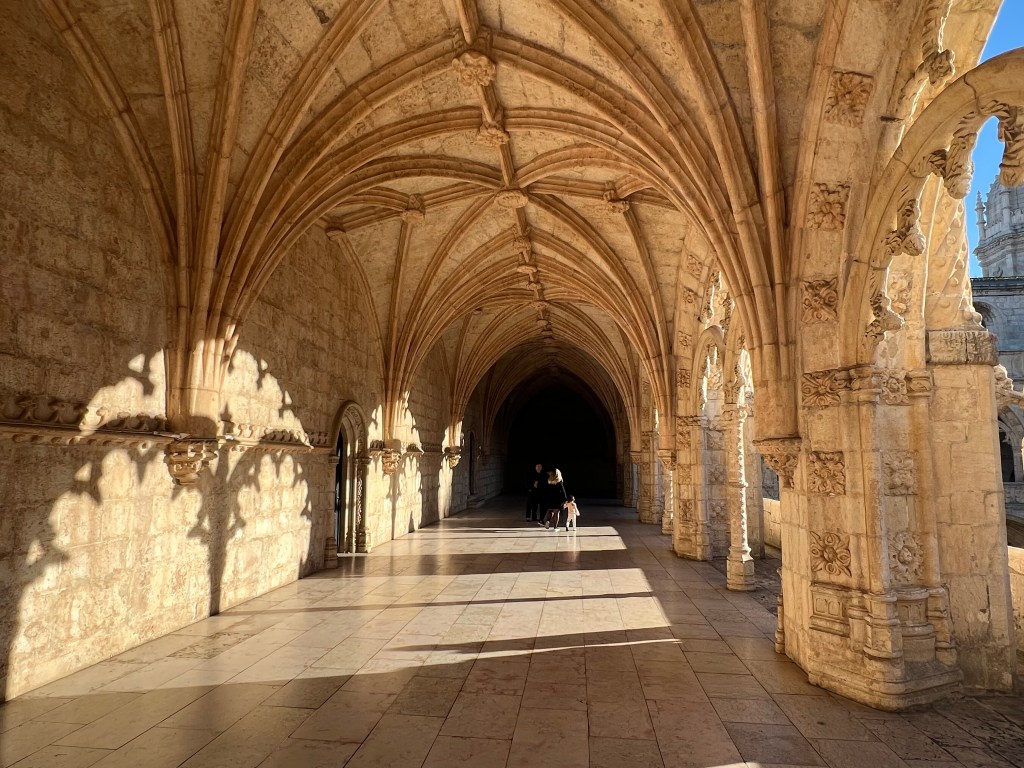
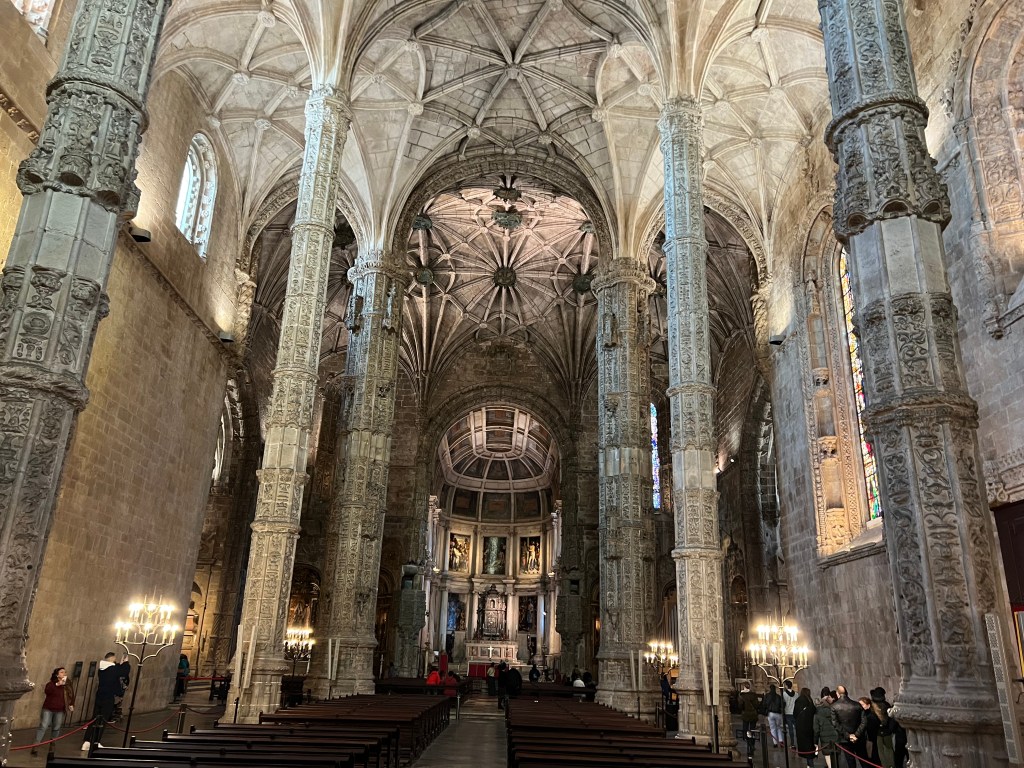
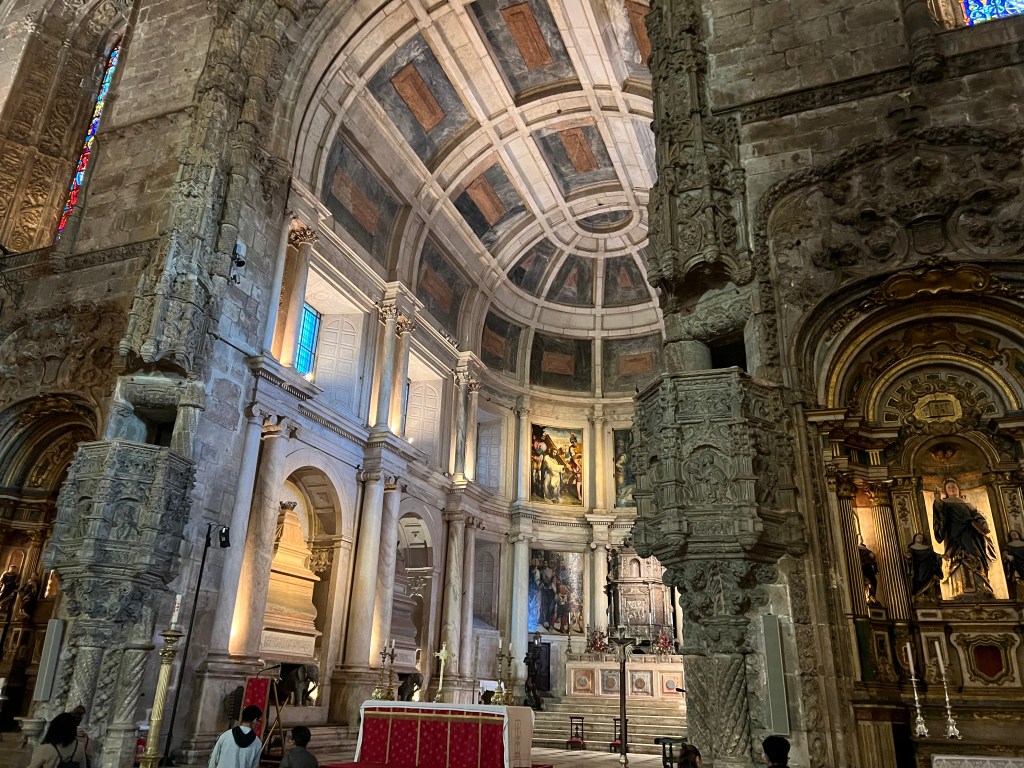
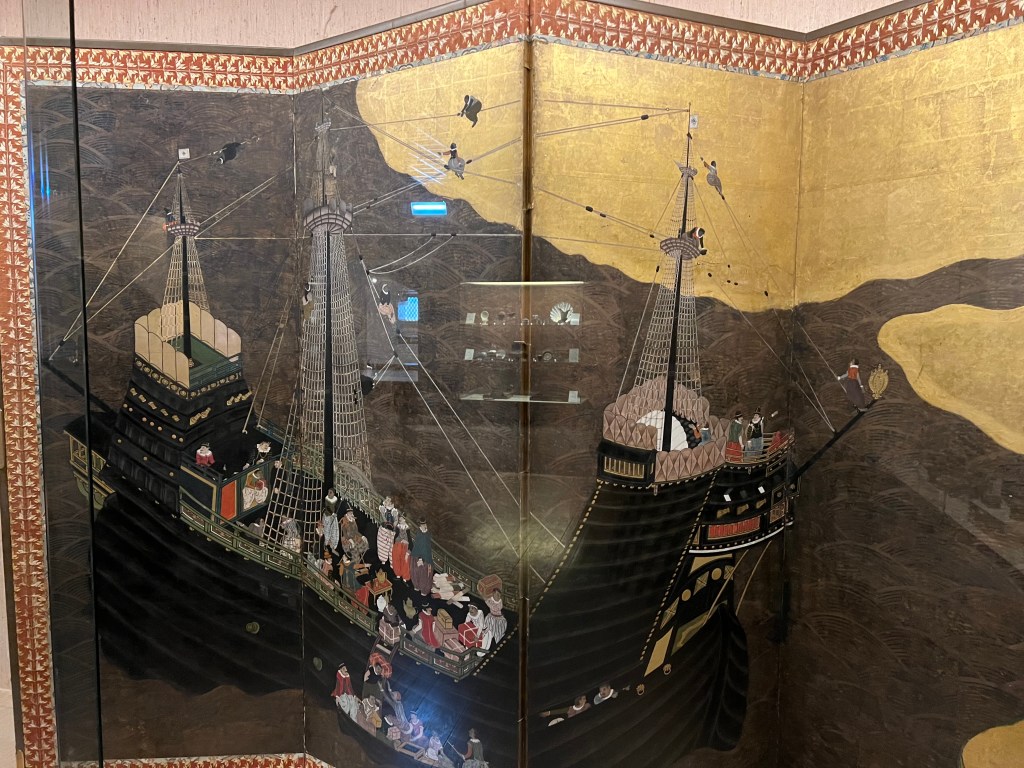
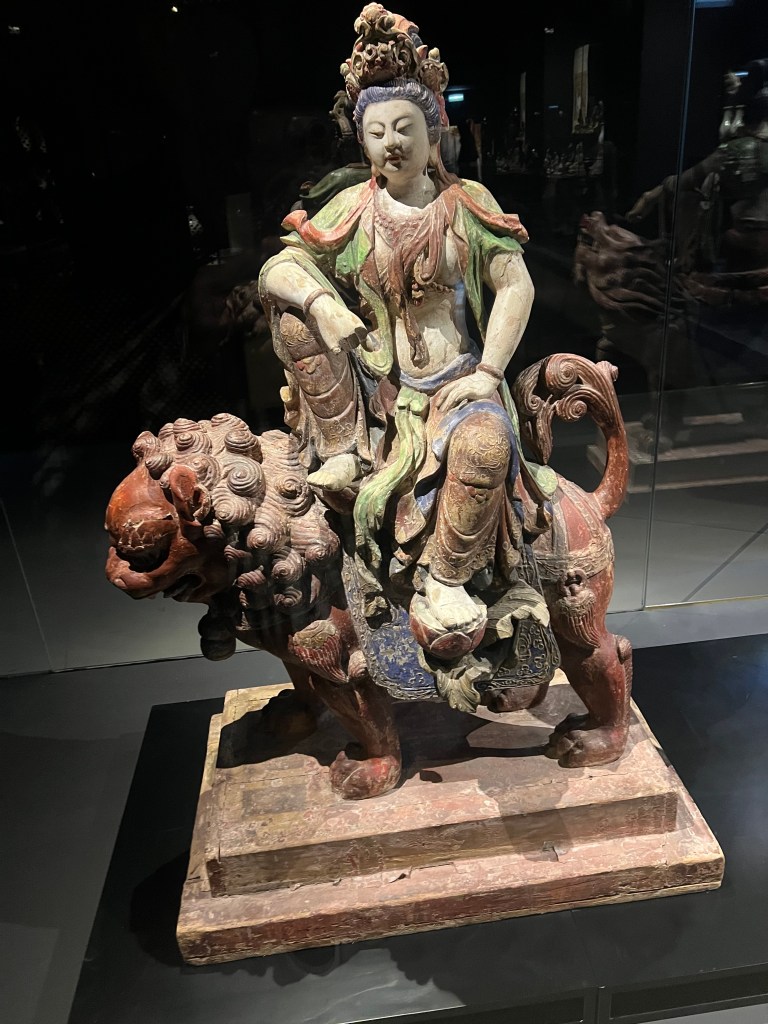
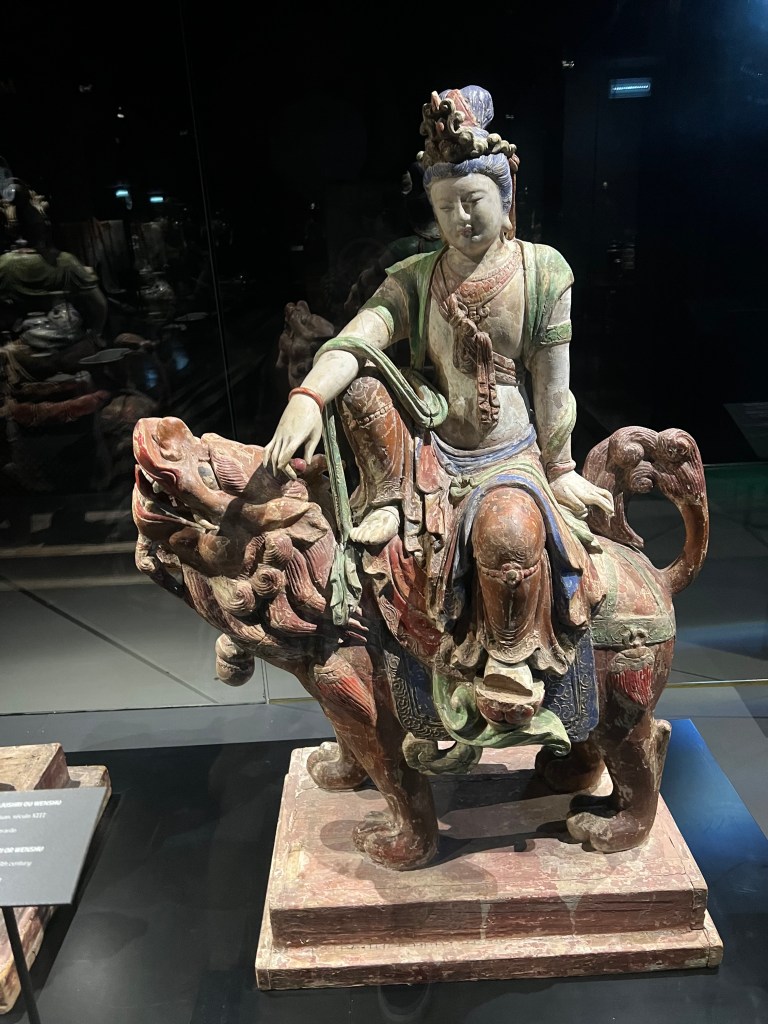
Tomorrow, we are headed to Belem, a neighborhood west of the city, where the Portuguese King Manuel built a monastery with the riches from their early explorations to the East, and where there is a very cool modern art museum, and another museum that has rare Japanese screens with depictions of the Portuguese – “Southern Barbarians” – with whom they traded for a while and then perhaps wisely banned for centuries. We can’t wait.


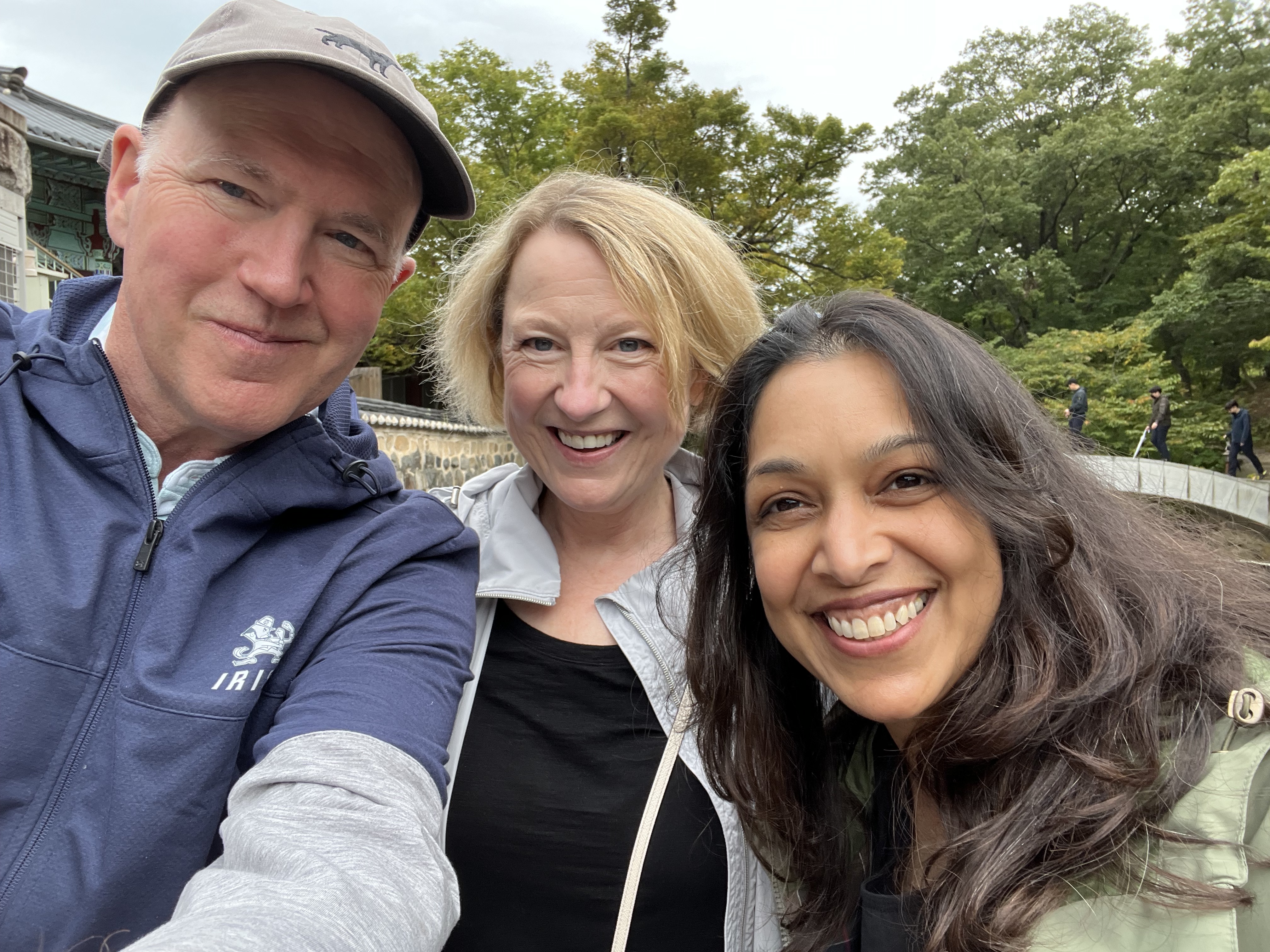
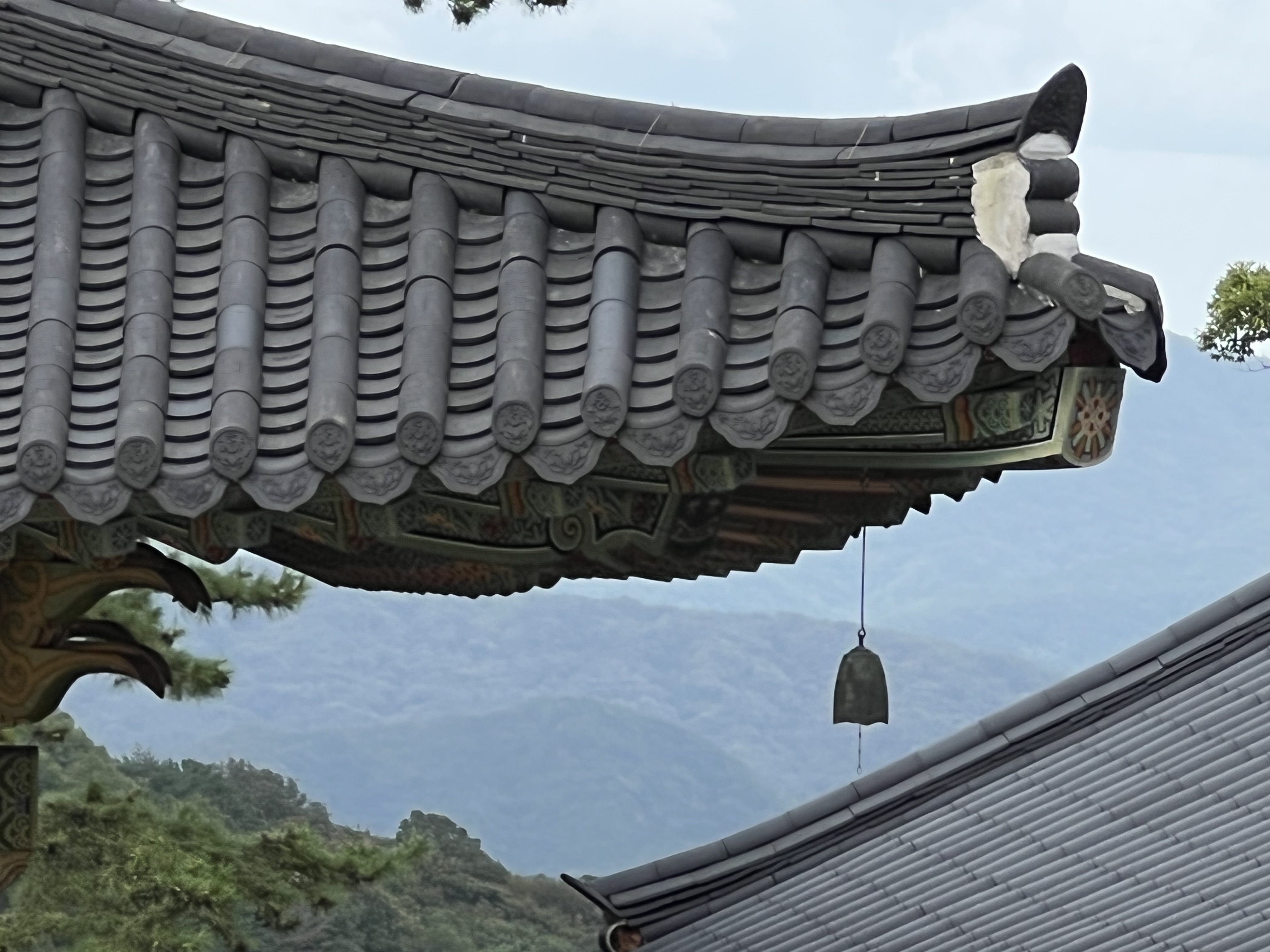
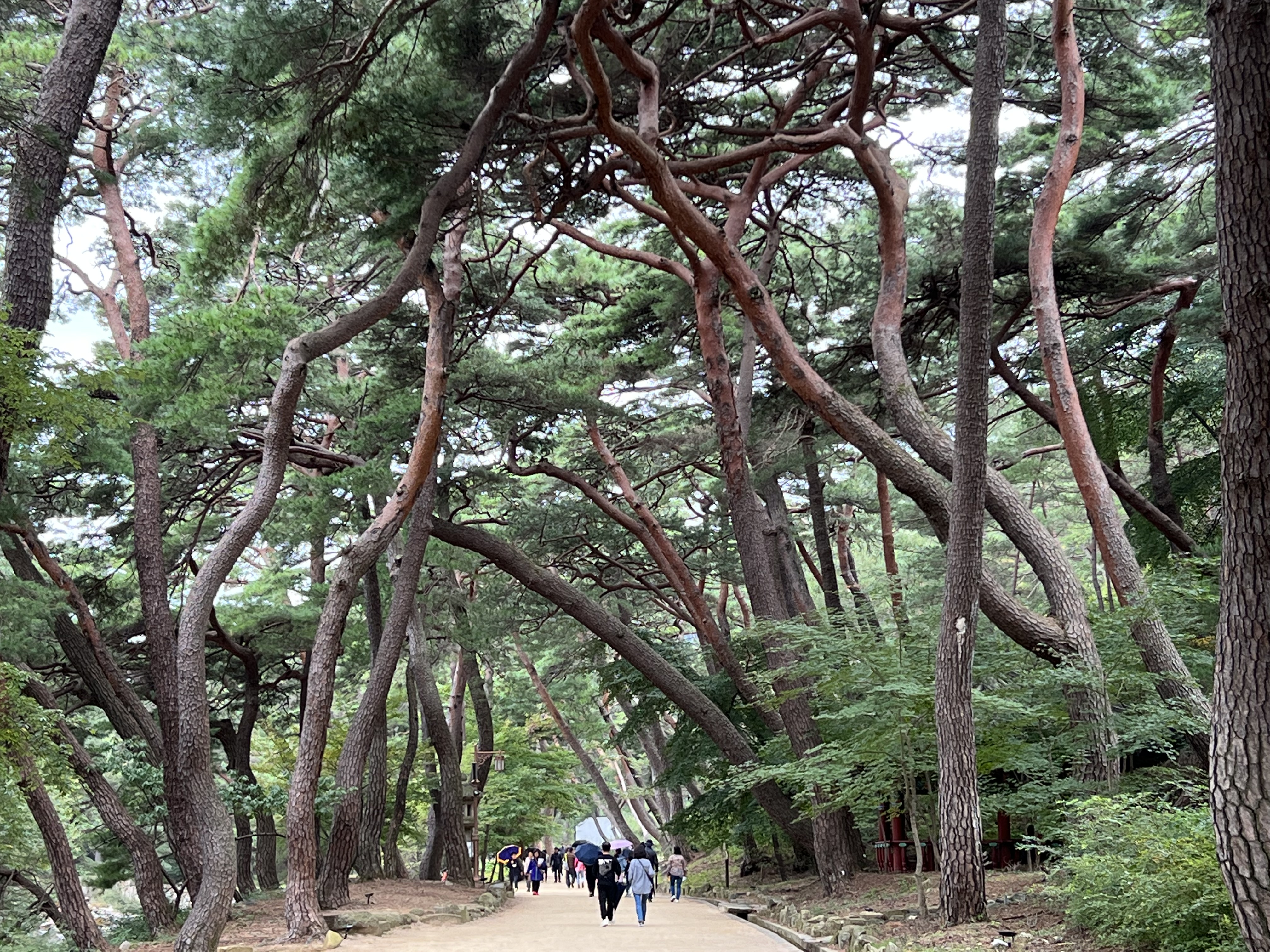
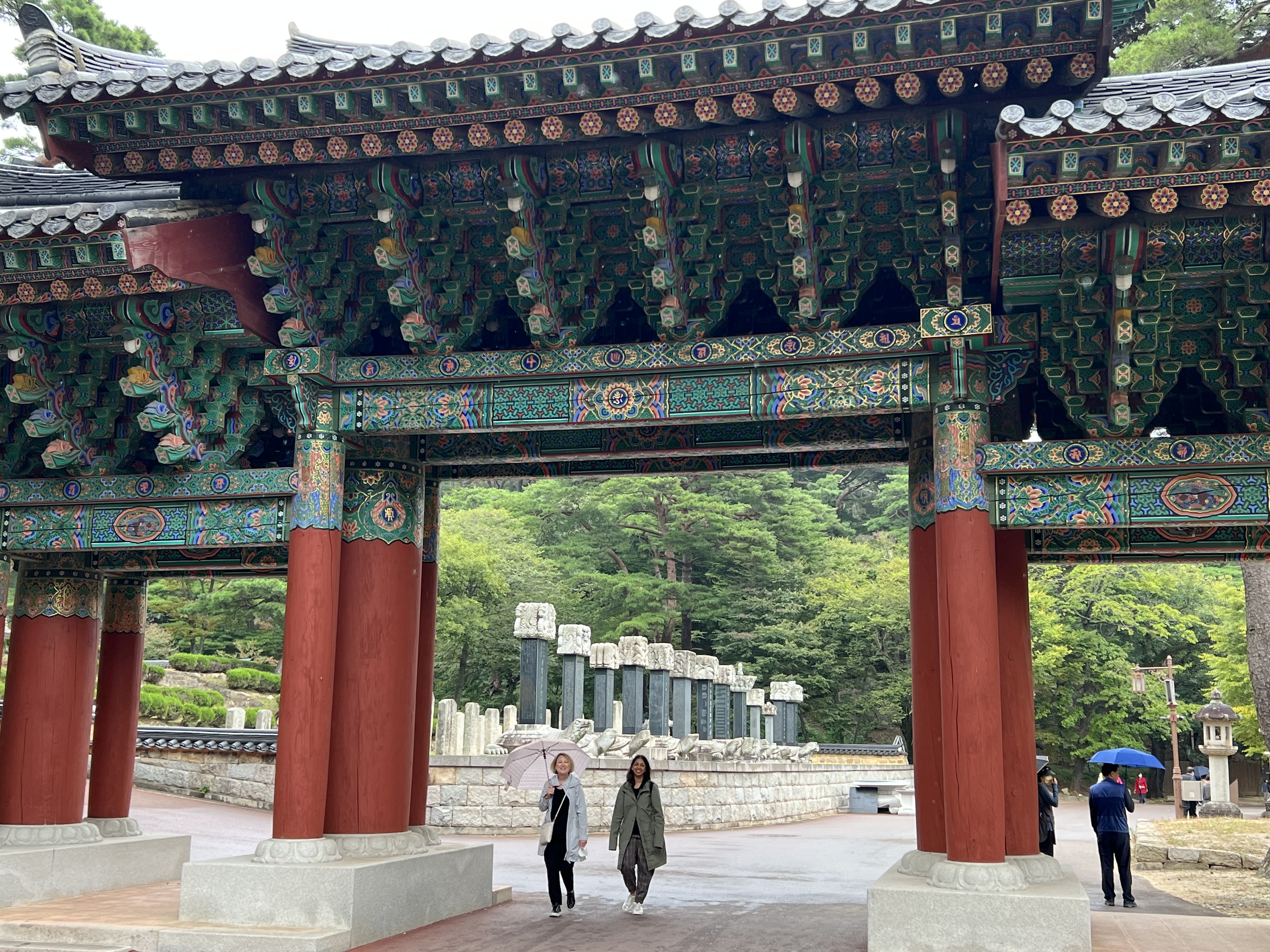

Big, blustery Busan
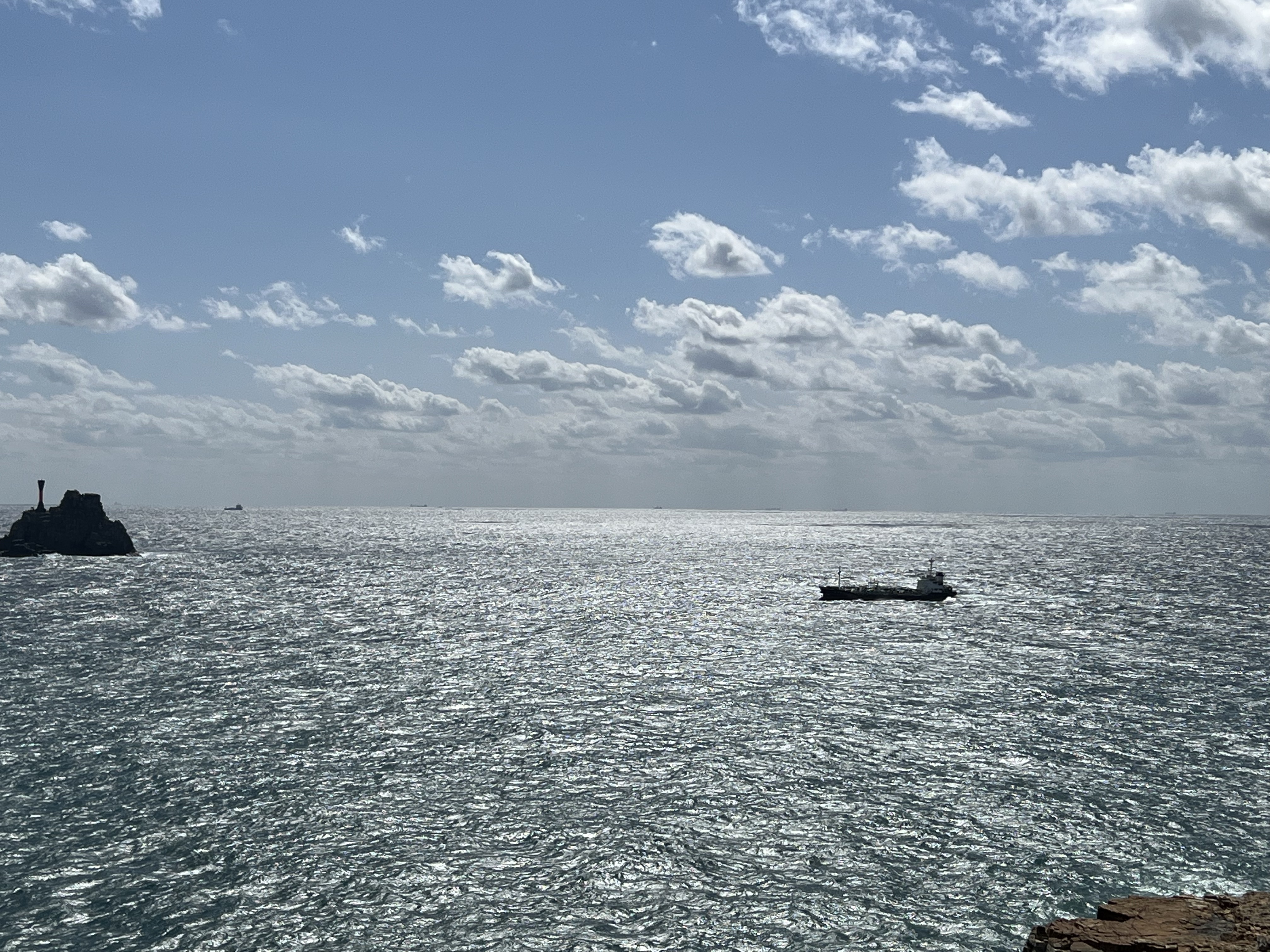
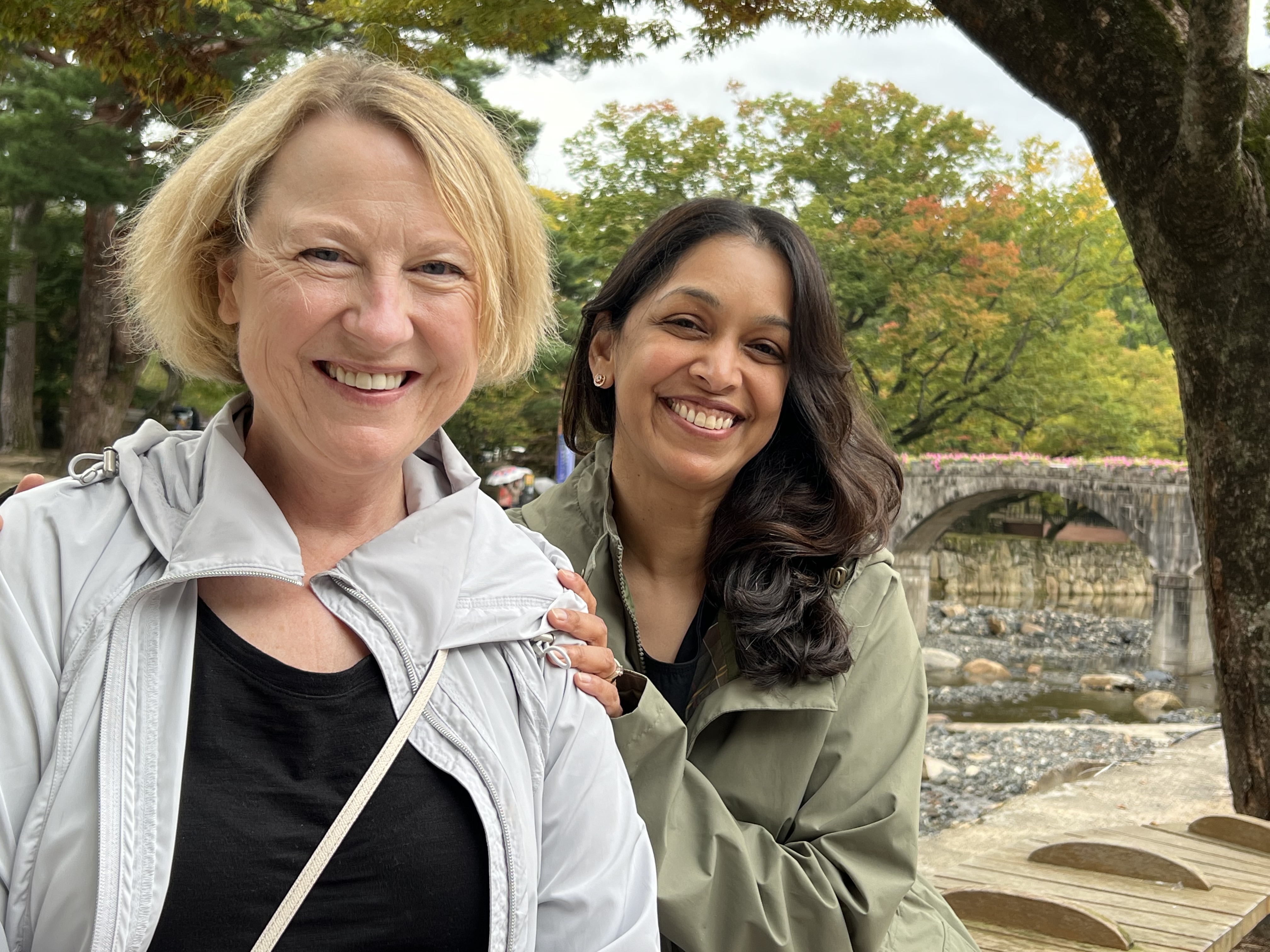
Saturday, Oct. 8, 2022 — On our last full day in Busan, we took a long cab ride to Taejongdae Resort Park to see all that powers this great city — the rugged coastline, the rough seas, the massive container ships making their way into the world’s sixth busiest port.
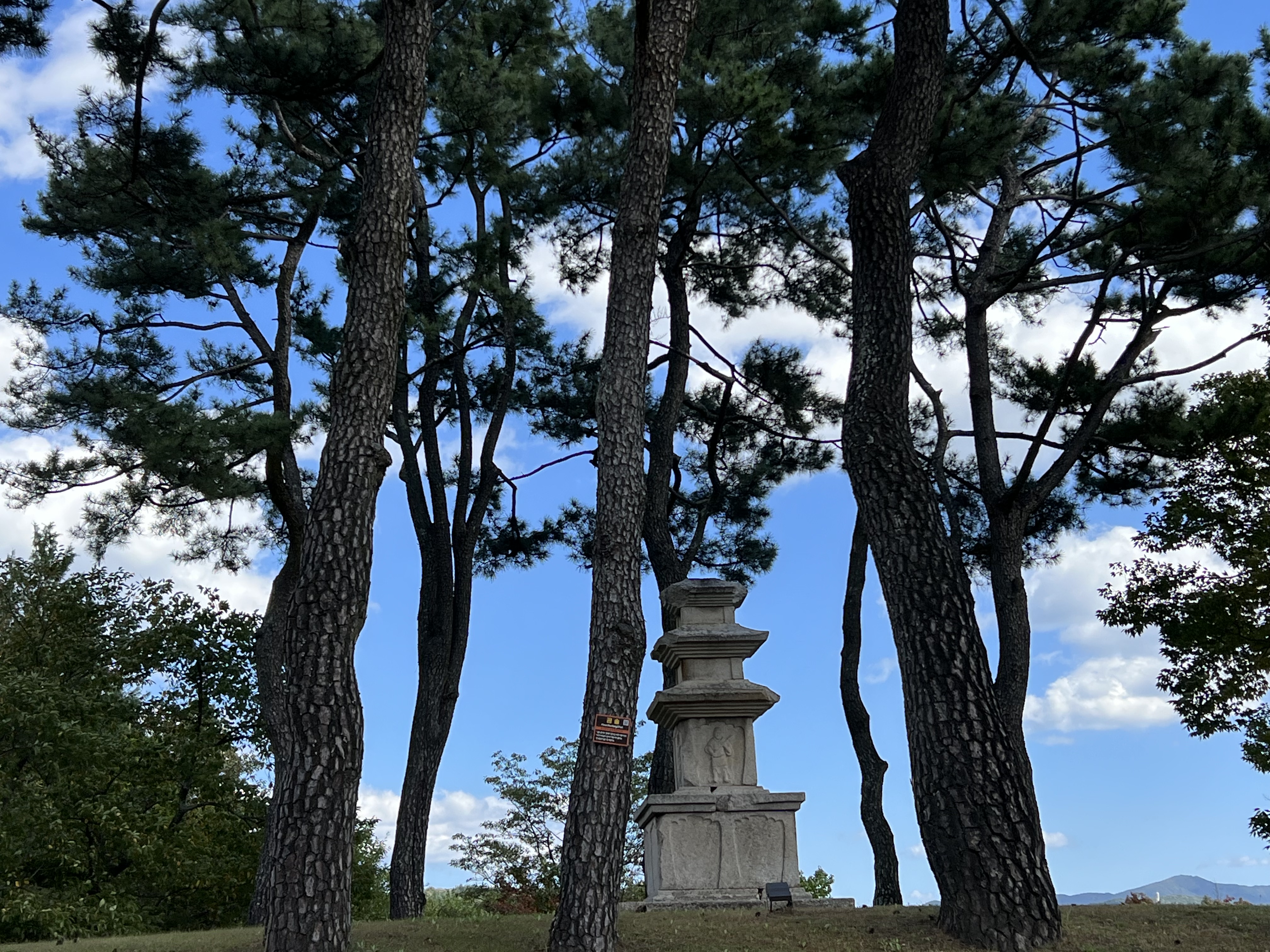
Taejongdae is a thick pine forest that sits at the southernmost end of Yeongdo Island, where, sixteen hundred years ago, the Shilla King Taedong liked to show off his archery skills. It’s the most stunning natural place we’ve seen during our time in Korea, where rocky cliffs fall off hundreds of feet down to a churning ocean, which was exceptionally wild this day, with howling winds whipping up huge swells that sent spray over the bows of the massive container ships making their way into the port.
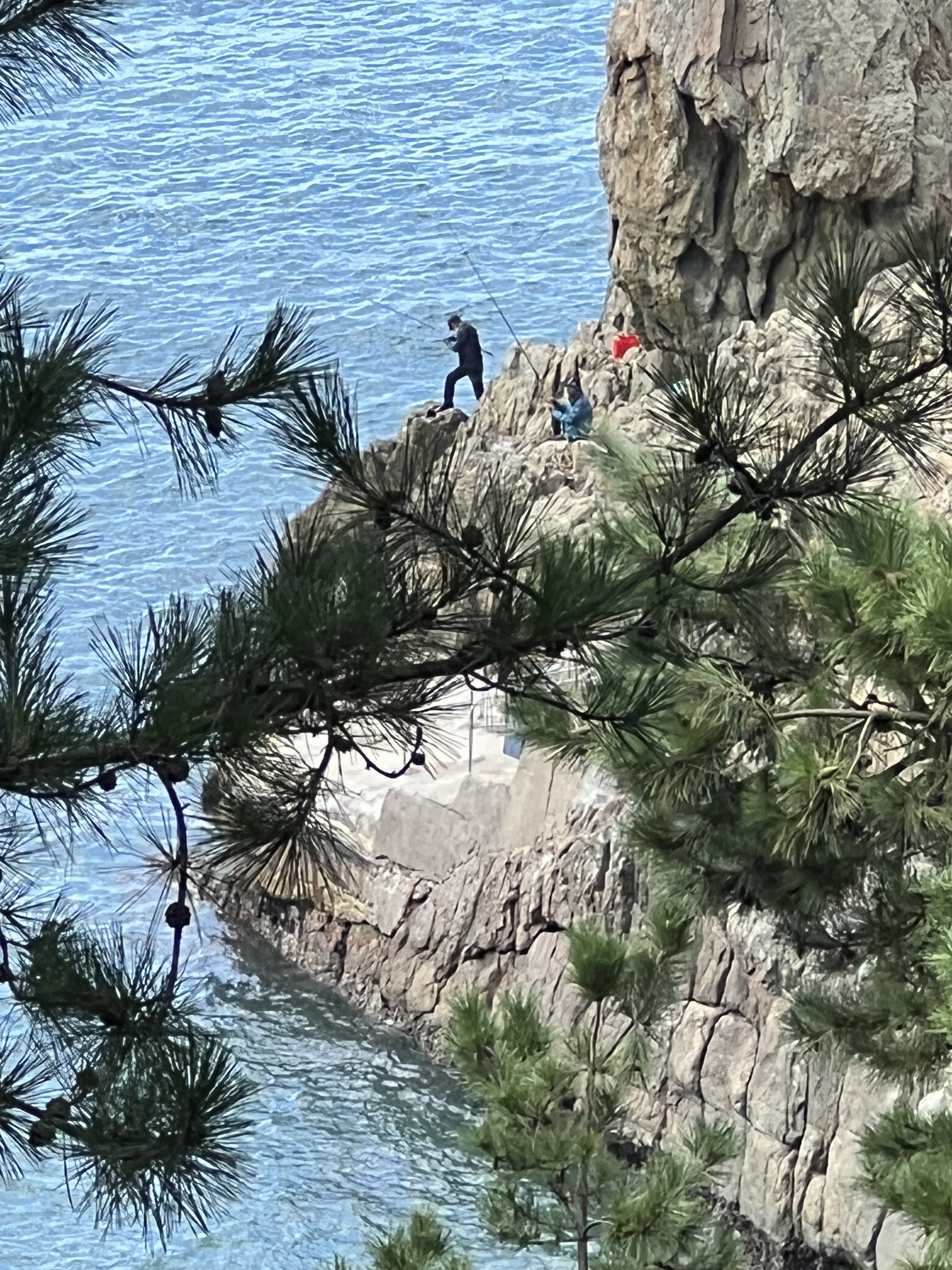
We walked a mile or so through the forest, looking down on fishermen clinging to the rocks on the quiet side of the island protected from the winds, where more than a dozen tankers and other ships were anchored. The park’s cute little tourist train, the Danubi Train, three cars on wheels, went past us a few time. The first stop was an observatory, at the southern point of the island, and, braced against the wind, we could look out and see, very close, Tea Kettle Island, and then about thirty five miles away, the blue-gray outline of a Japanese island, Tsushima, just 50 kilometers away.
Courtenay had some questions about what we were seeing, and what was ahead, for one of the park docents, a tiny, narrow-shouldered woman, who, rather than answer them, eagerly led us on to the Yeongdo Lighthouse, which has been a beacon for ships coming into Busan for over 100 years. “Many, many steps,” Courtenay’s new friend told us. She was a geologist by training, 75 years old, very excited to practice her English, and it turned out that she spoke fluent Japanese, and so the two of them walked shoulder to shoulder, gesturing, chatting, connecting, in three languages, the older woman clearly reluctant to say goodbye, as Asma and I followed along behind.
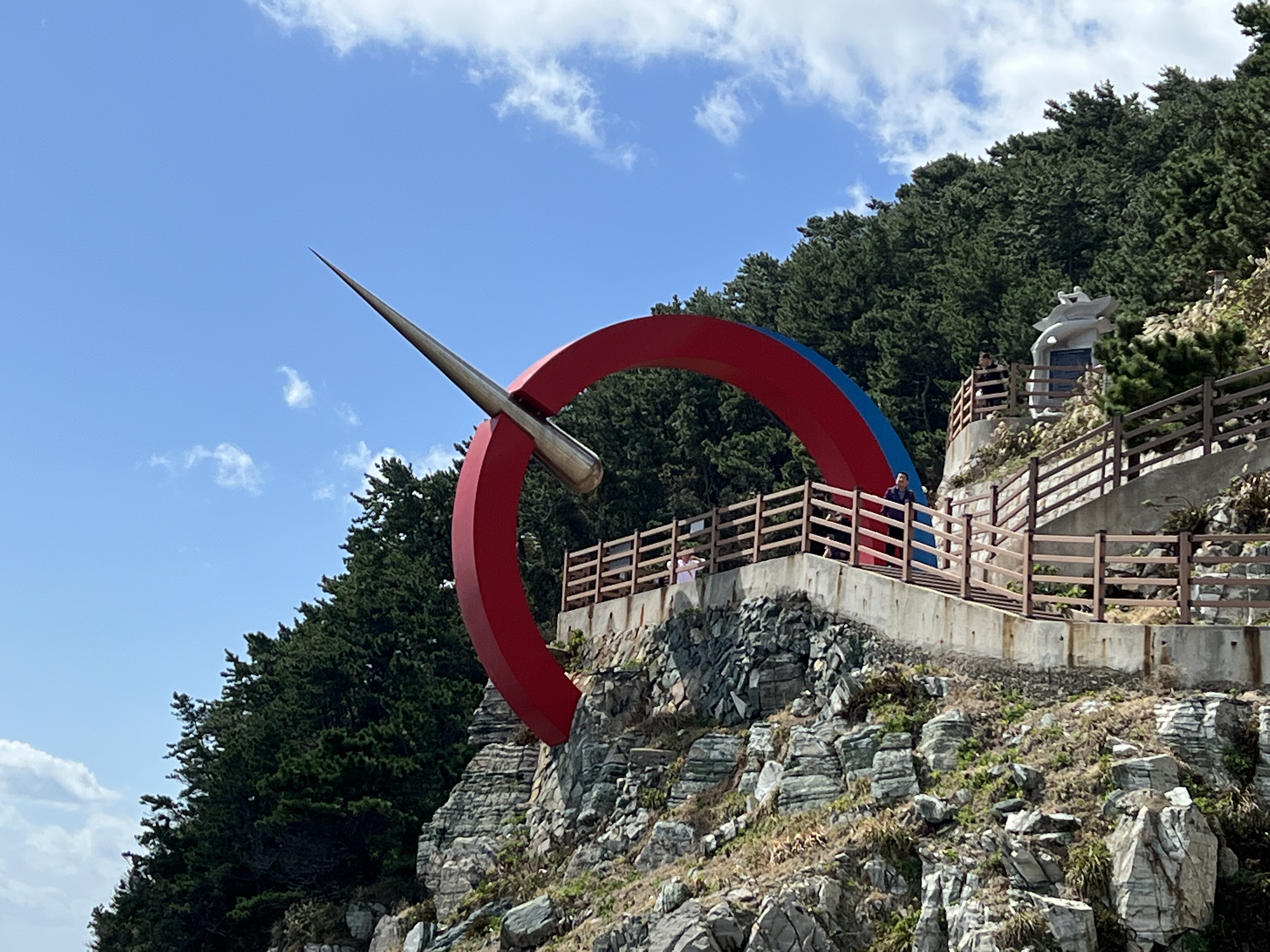
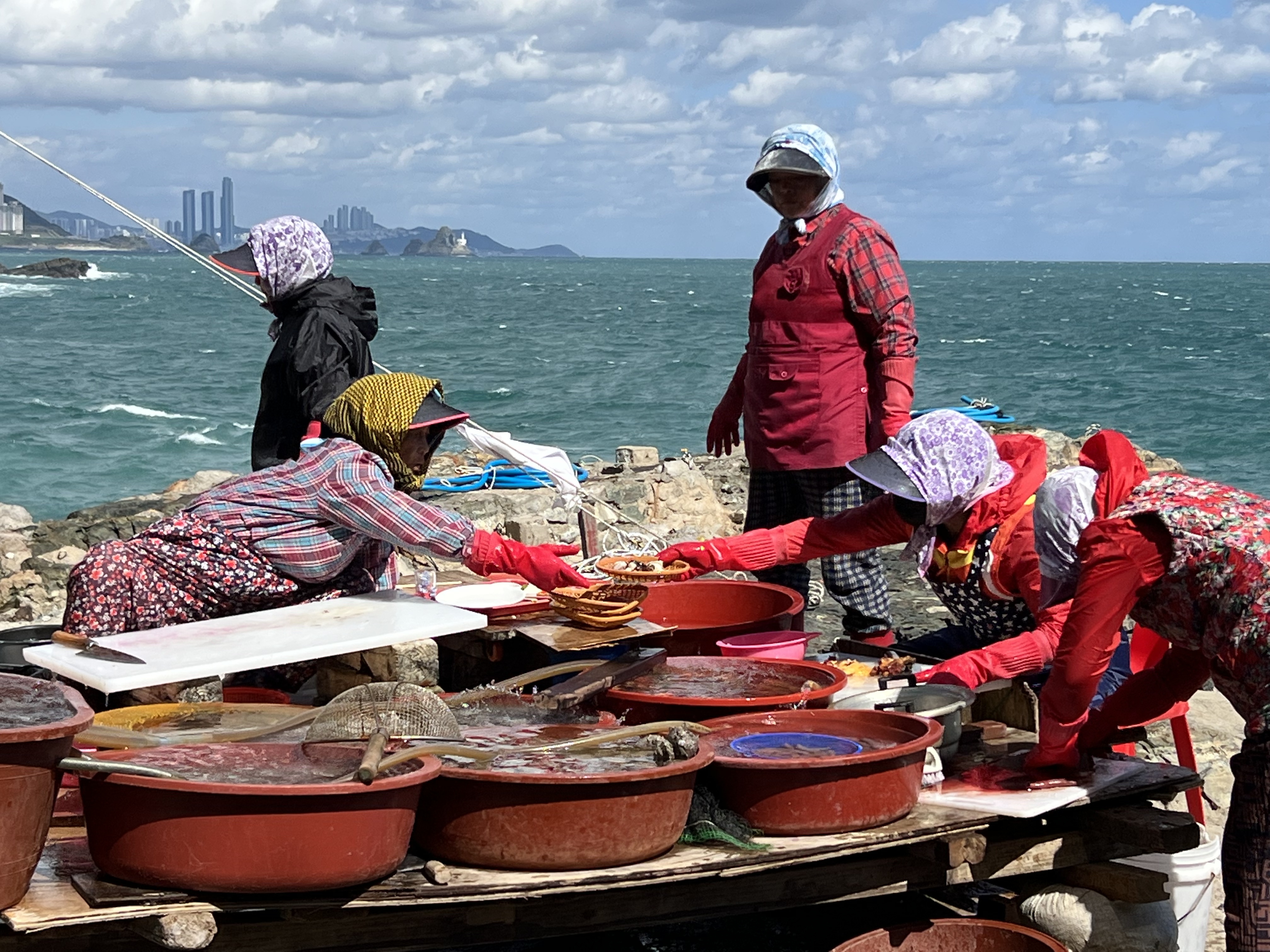
We walked “many, many steps” past the signature statue at the lighthouse, a silver needle in a circle of blue and red, pointed out to sea, and down a long, steep stairway to the rocky shoreline, where a half dozen women in brilliantly colored clothes cleaned and chopped fresh-caught abalone, clams, sea cucumbers and other seafood, the hard wind sending sea spray over them, and serving it to Korean families who sat on plywood platforms tucked behind the rocks.
It was an unforgettable scene, the deep blue-green water, all the ships, the women braced against the wind, the sun shining on the glittering surface. There is a Korean word, “절경 /jeol-gyeong/.” The word means a scenic view that can’t be better. That will be our lasting memory of Busan.
Fast train to sky capsule
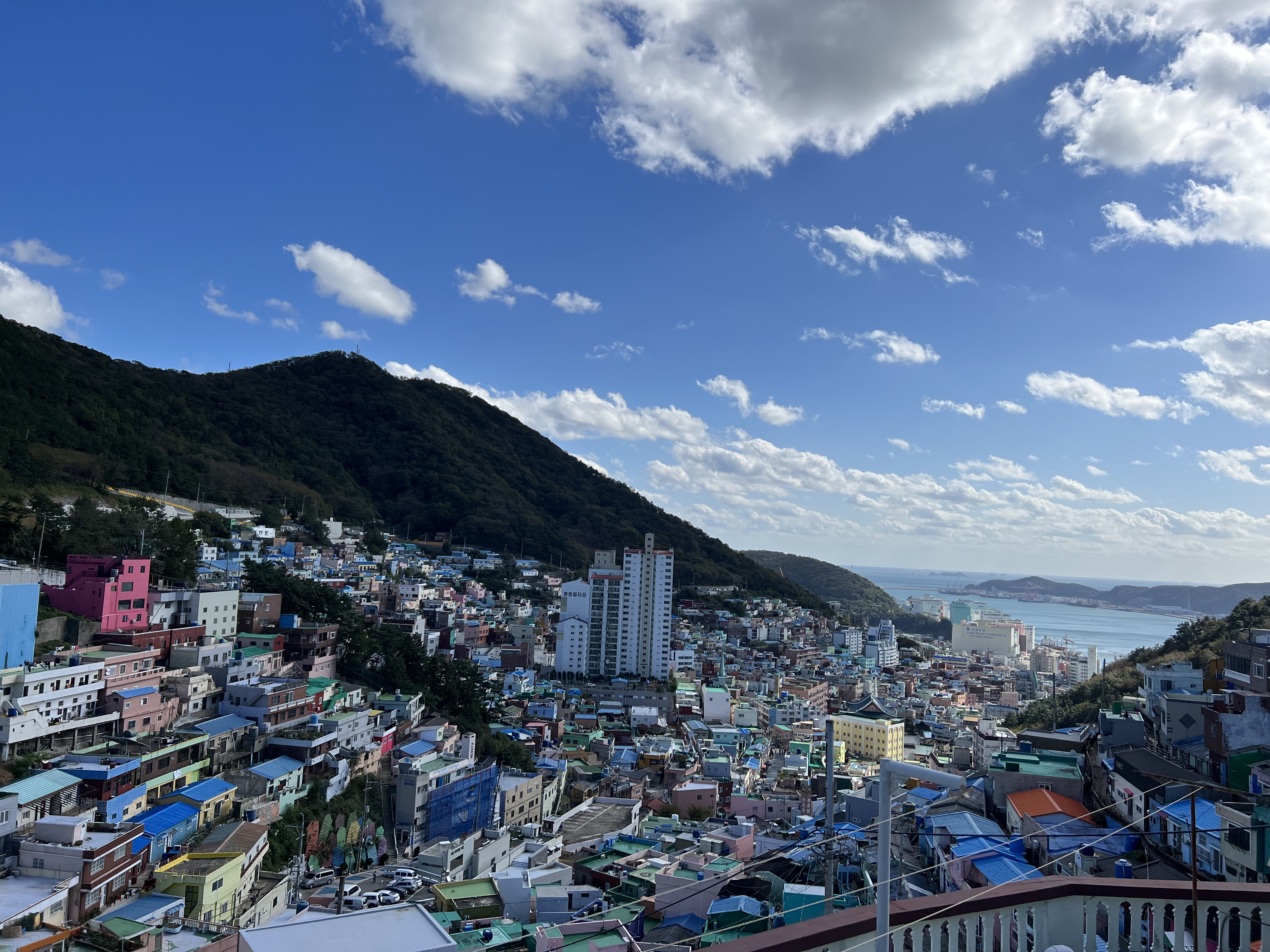
Saturday, Oct. 8, 2022 — A fast train swept us from Seoul to Korea’s beautiful, coastal second city, Busan, in a little over two and a half hours on Thursday, and we have kept moving ever since. The first evening we walked the Nampo District, from Biff Square, a homage to the city’s 27-year-old film festival, on to Busan Tower, and finally, explored the vast and fragrant seafood market, Jagalchi, where we saw a swirl of sea life and were beseeched by restaurant owners who wanted to feed them to us.
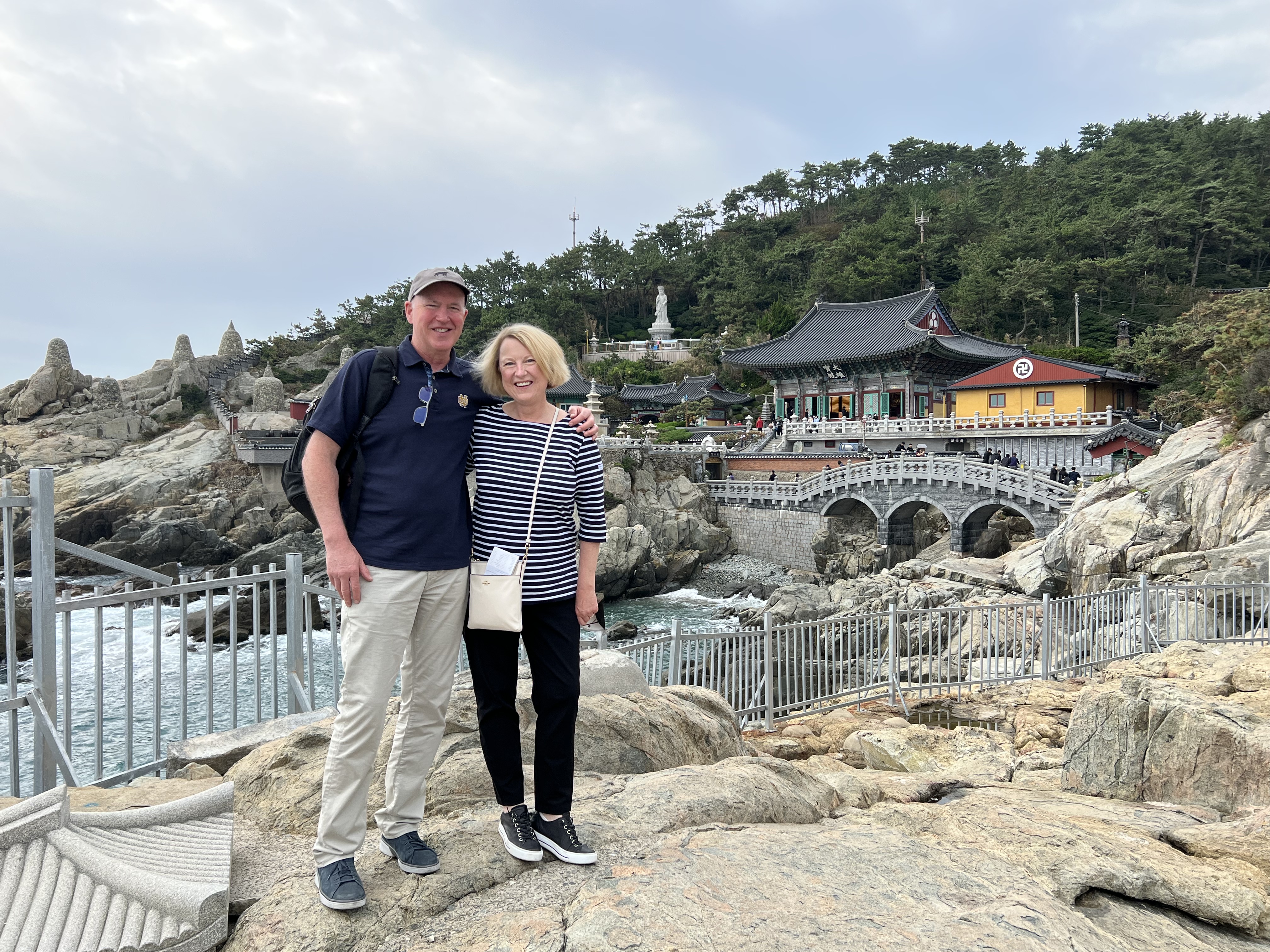
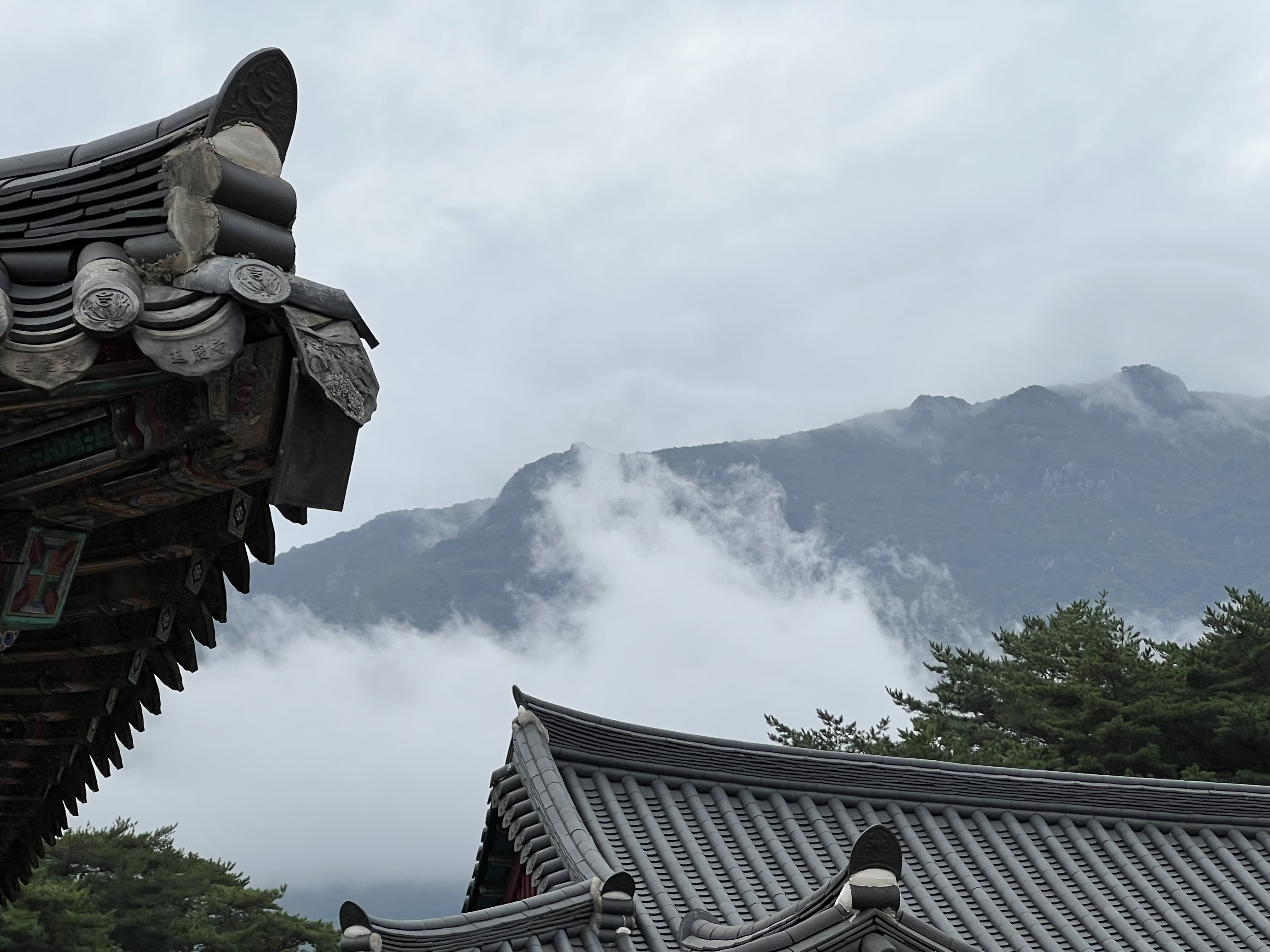
Our first full day in Busan was one of the best, most memorable of our trip so far. We took a long cab ride north of the city to the spectacular Haedong Yongungsa Temple, the only Buddhist temple situated on Korea’s rugged coastline. It is a special place, the sea crashing against the rocks only a few feet from the temple buildings, with infinite views up and down the rugged coastline. We listened to the chants of monks, lit prayer candles for our loved ones, and took picture after picture of the spectacular setting.
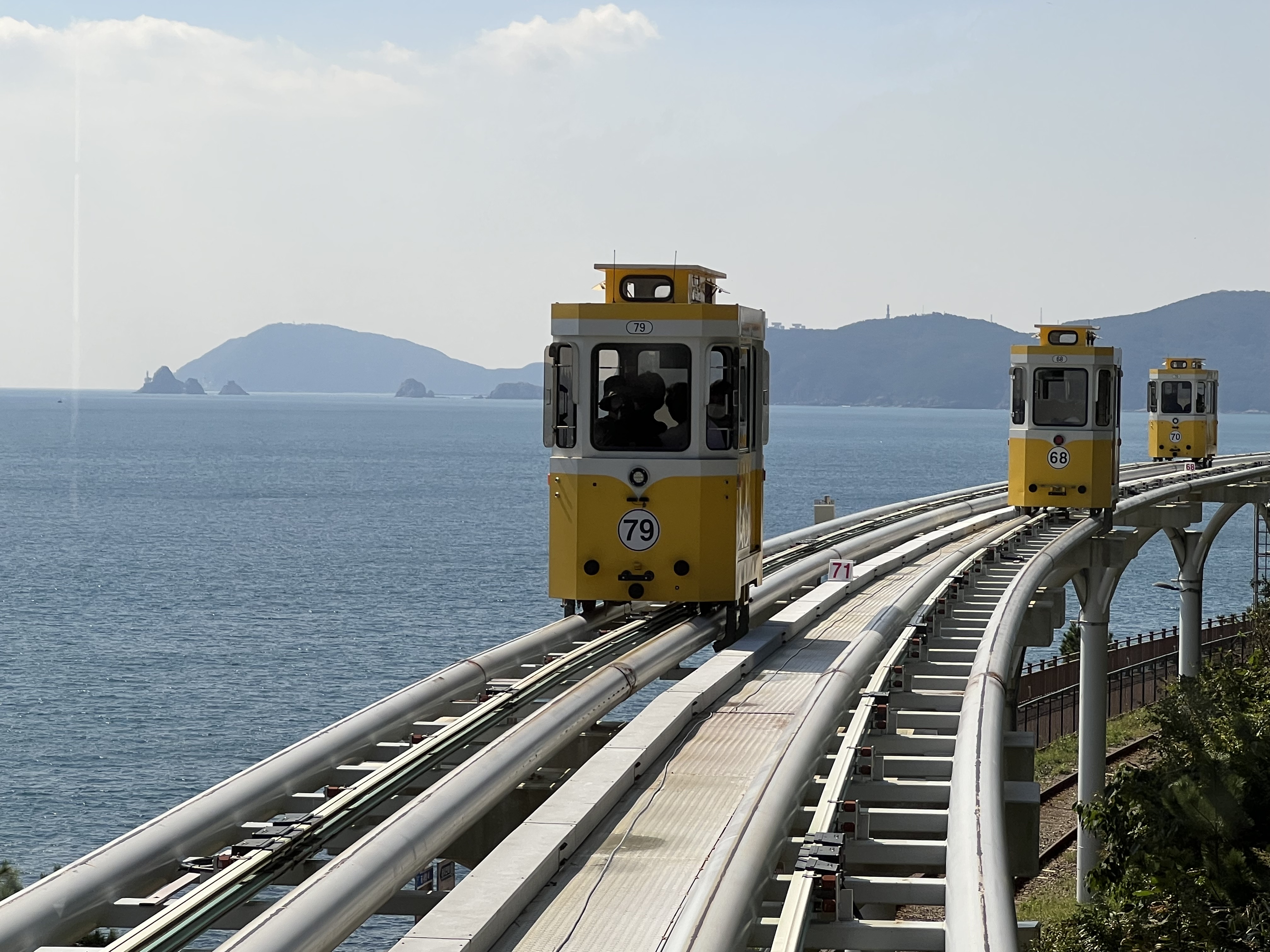
We cabbed from Haedong to the station for the Haeunde Skycapsule, where we boarded one of the boxy, sweet and silly rail cars and set off, slowly, down the aerial tracks. It was great fun, trundling along the coastline, making our way through a pine forest, and curving around a headland before we arrived at the north end of the Haeundae Beach, considered Korea’s best and most beloved beach. By Oregon standards, it’s a fairly small beach, at most a half mile long. But it was beautiful, lined on one side by high-rise hotels, and the other by blue-blue surf that glittered in the sunshine. We walked the length of the beach to Bay 101, a yacht club, where we met up with Asma.

After lunch, we walked south along the waterfront to Busan’s Cinema Street, a quarter-mile stretch of boardwalk dedicated to Korea’s film history, with displays of many of the country’s most popular movies, actors and actresses, including Hong Kong’s greatest actor, Tony Leung. We wanted to go directly from there to the headquarters of the Busan International Film Festival (BIFF), which opened Friday, but had trouble communicating our wishes to the cab driver and Courtenay quickly and brilliantly asked instead to go to the Shinsegae Department Store, which is next door to the BIFF performance center. Shinsegae is the world’s largest department store, an incredible expanse with every conceivable high-end brand of clothing and accessories, and we lost ourselves in the place for an hour or so.
We emerged across the street from the film festival, which was buzzing with people and music. Asma and Courtenay explored the BIFF merchandise on offer, and then we heard a roar of excitement, saw hundreds of people hurrying to the seats in front of the main stage, and we followed them to discover that they were holding a live, in person interview with one of Asia’s greatest actors–none other than Tony Leung.
 The Thompson Attigs