Author Archives: Rick Attig





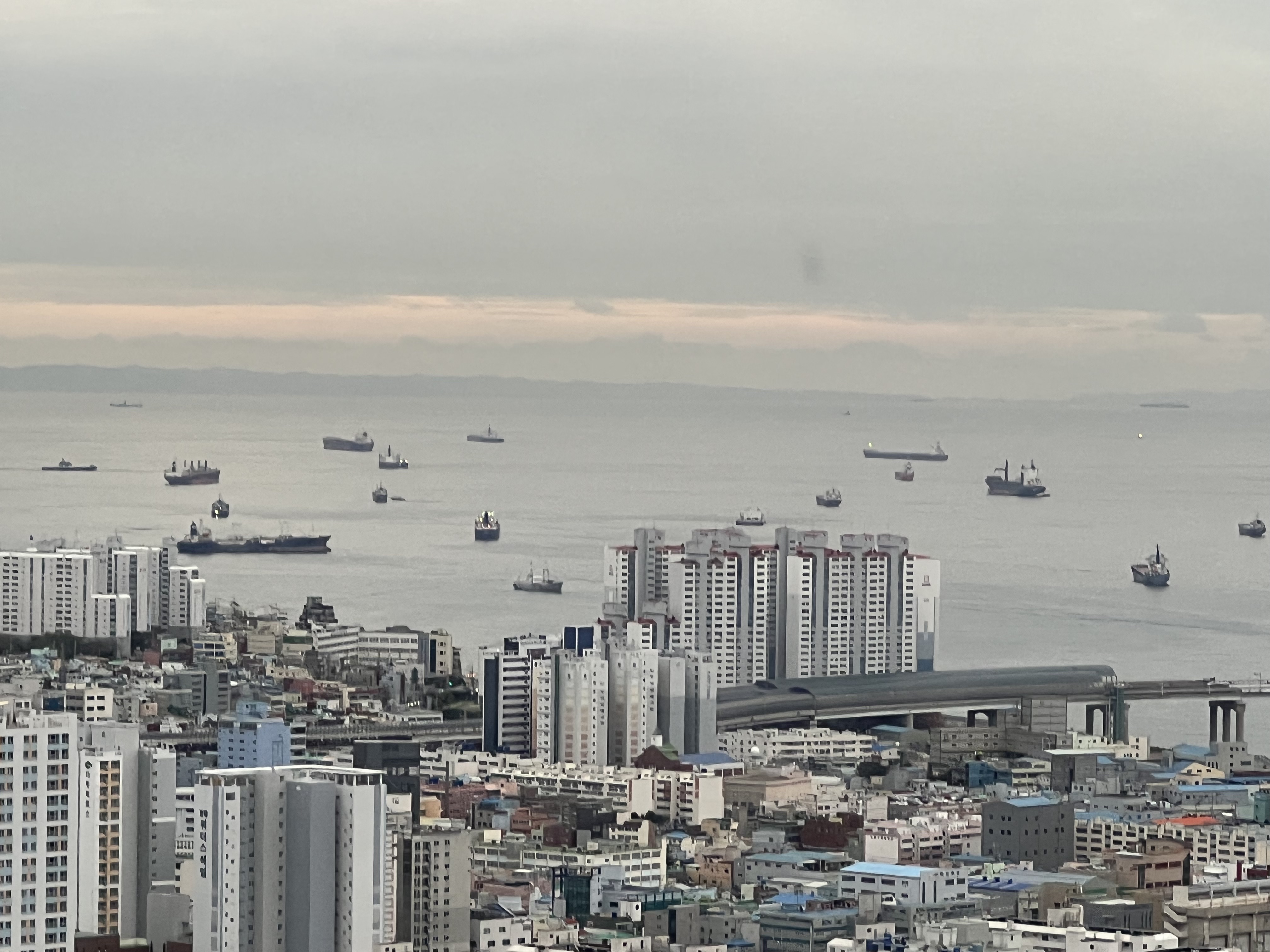
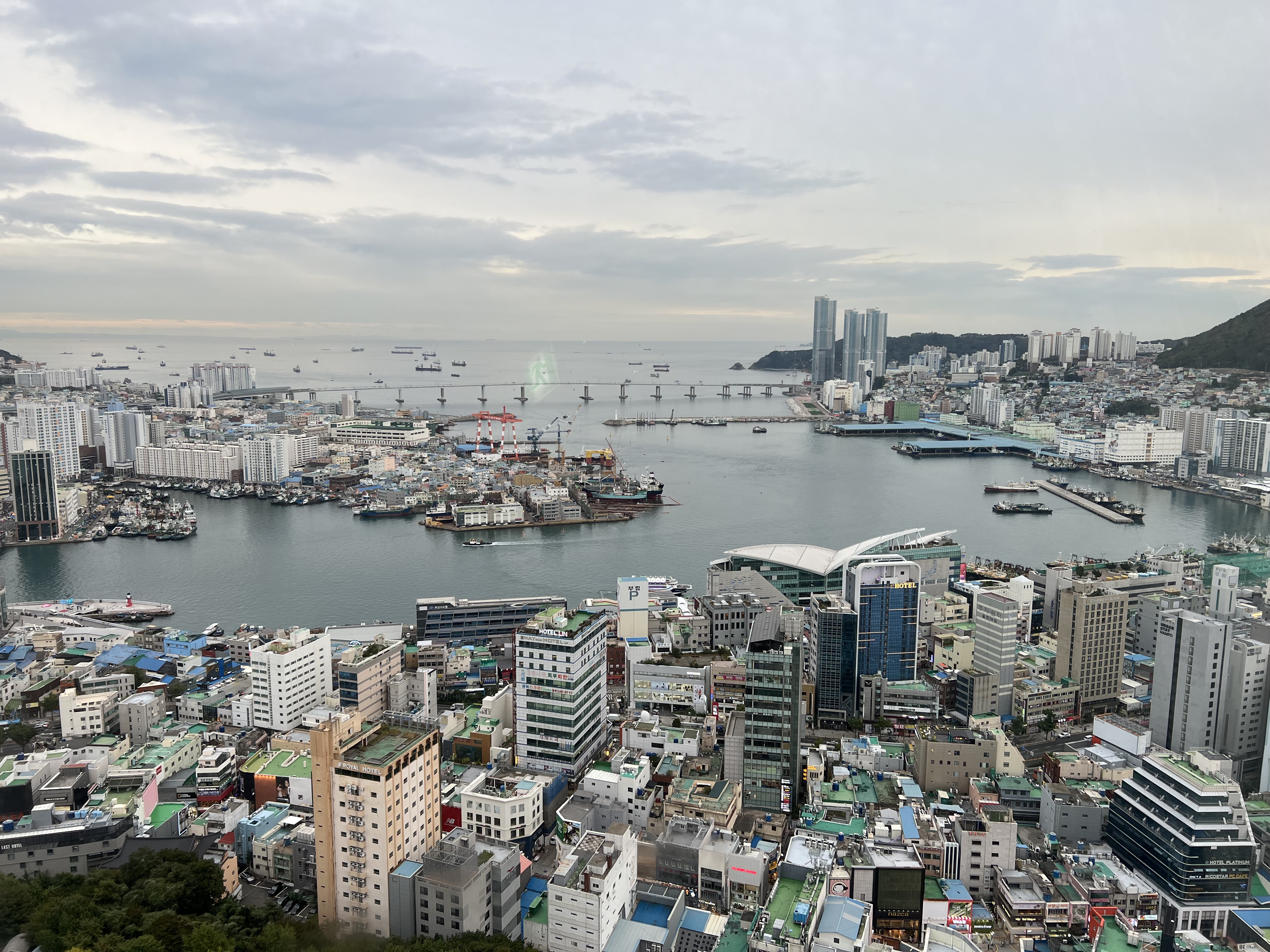

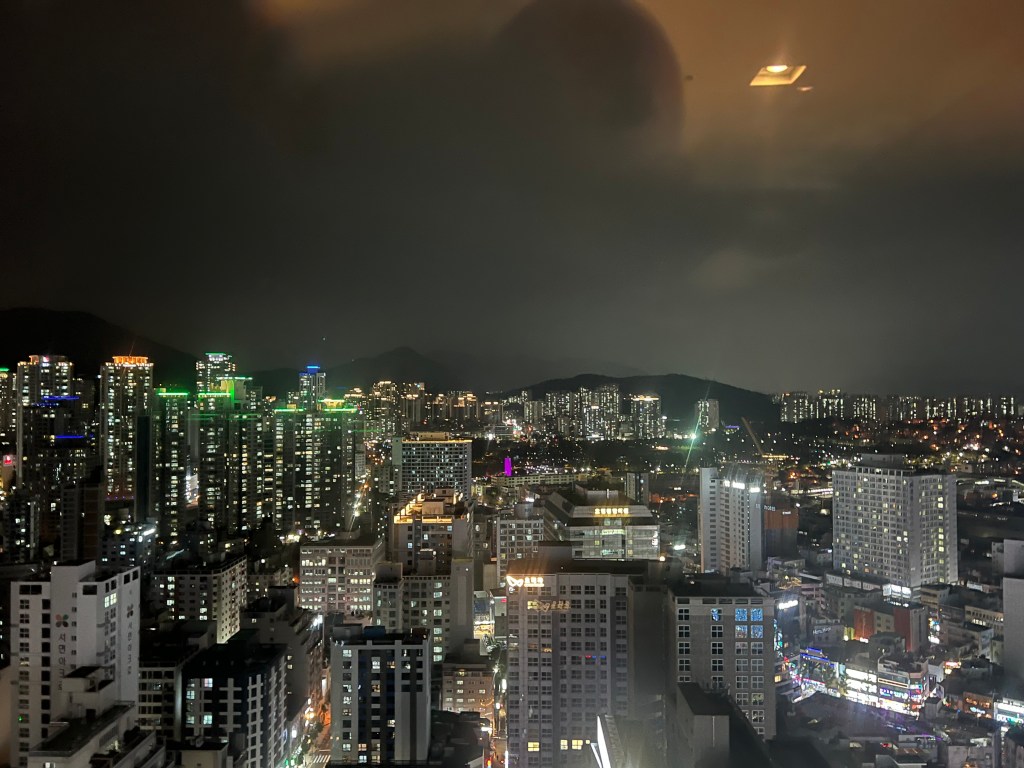
The view from Namsan
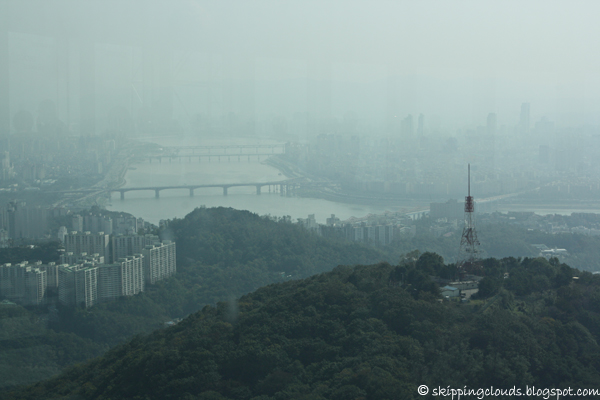
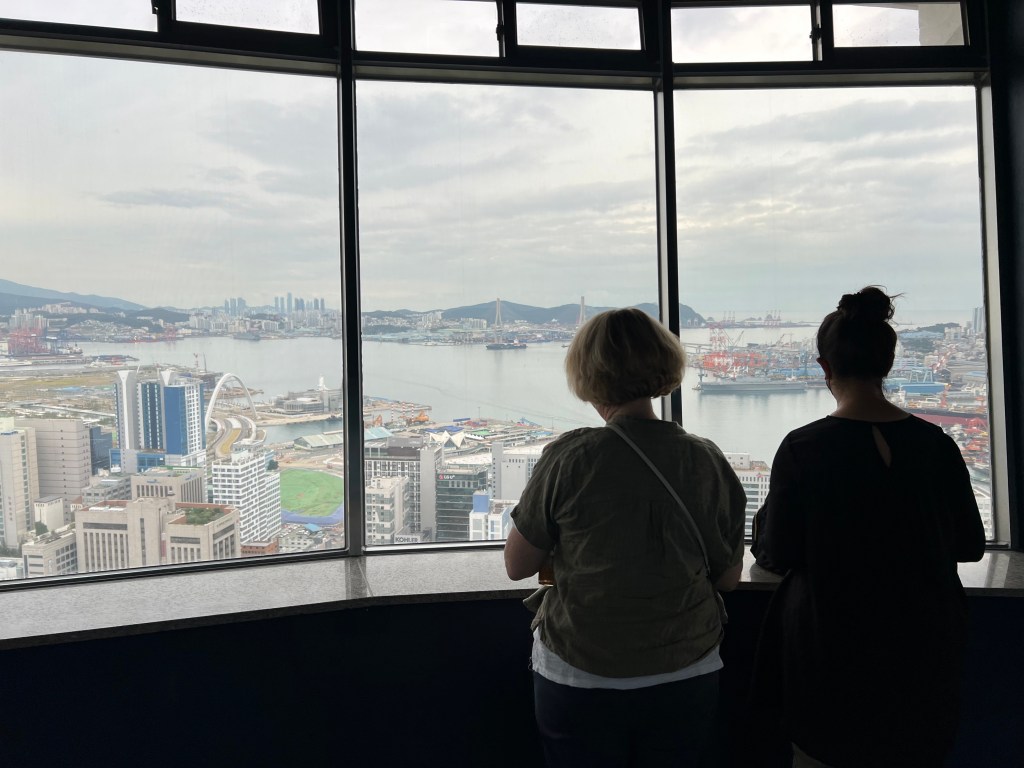
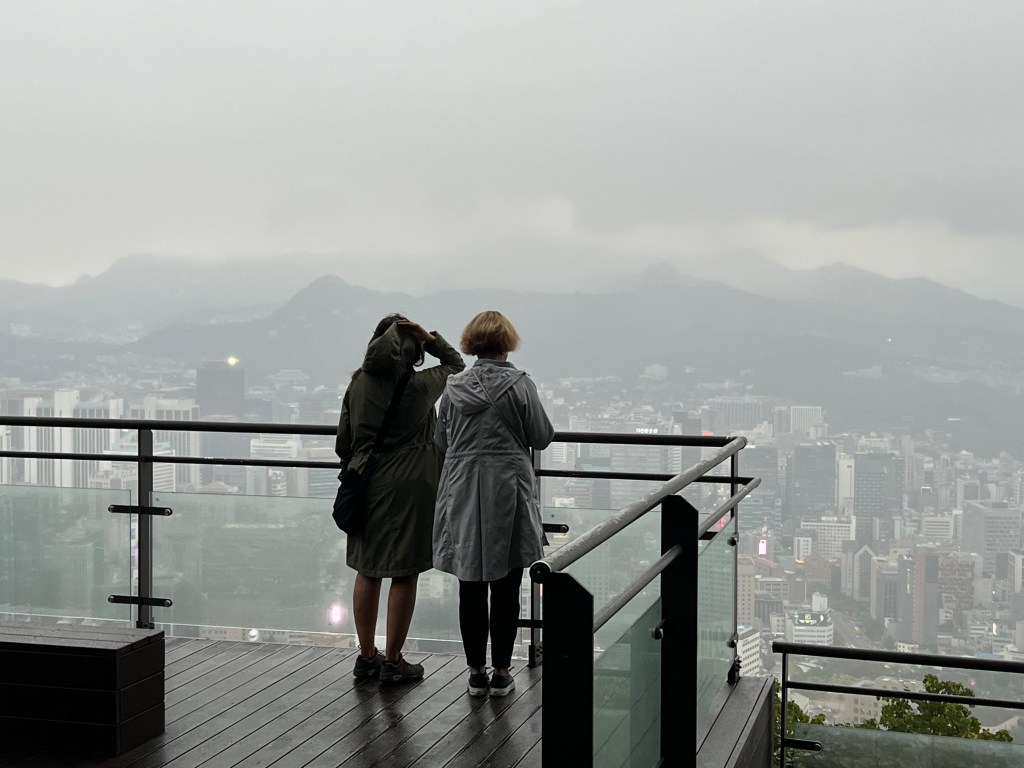
Oct. 4, 2022 – A half hour before sunset, the cab dropped us at the cable car station at the foot of Namsan, a mountain on the southern side of downtown Seoul. Low clouds and fog were settling over the wooded mountain, and a light rain was just beginning to fall. It looked like our long-awaited trip up Namsan, the best, most romantic place to view the city lights of Seoul, might be a bust.
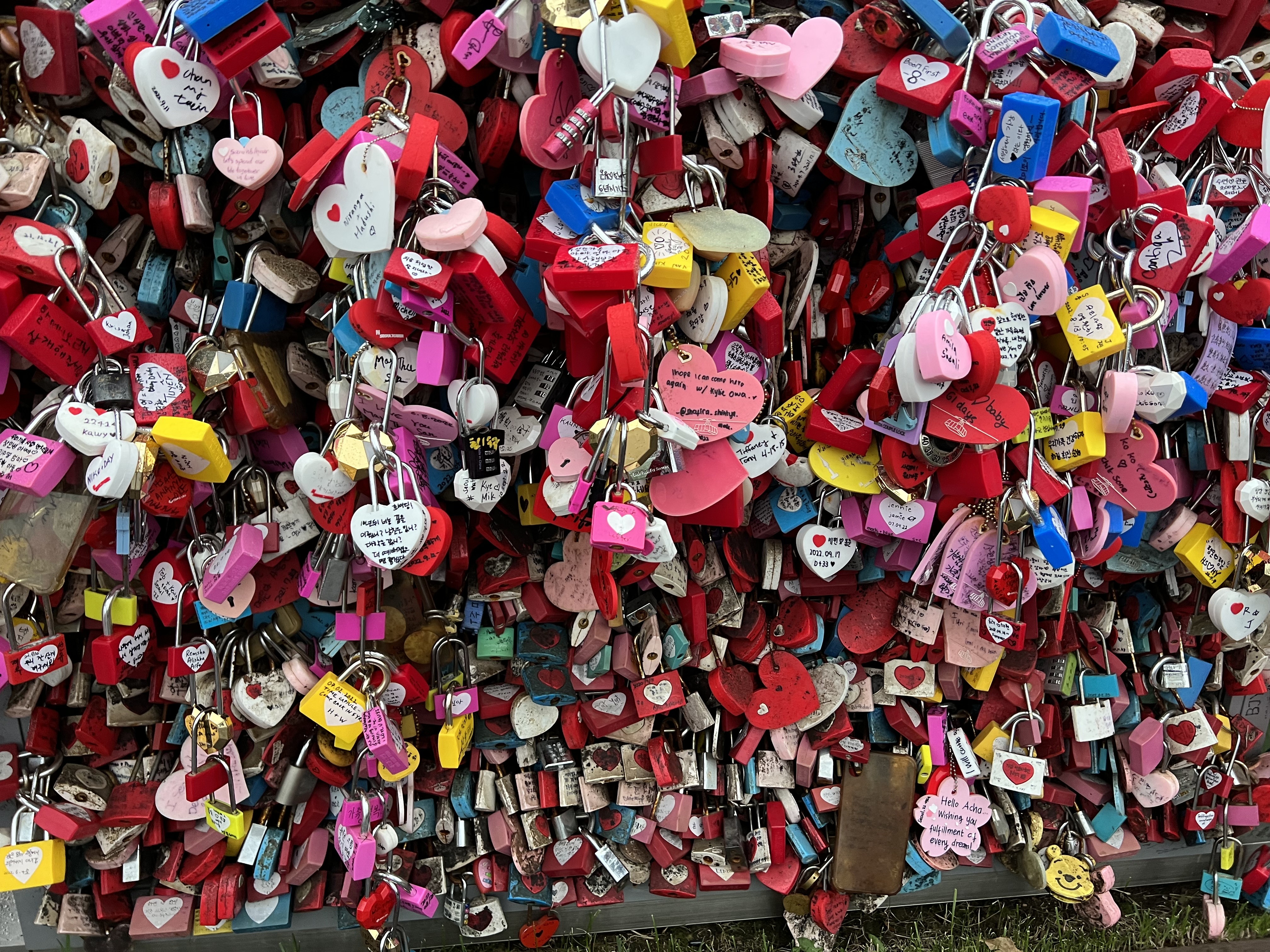
There was no line at the cable car, another warning sign. Our car was only half full as we made the smooth ten-minute glide up the mountain. Outside, the stairs that climbed the rest of the way to the summit were slick with rain. The rails along the walkways were covered with thousands and thousands of “love locks,” padlocks that couples had attached to the railings symbolizing their enduring love. Most were coated with rust, the messages scrawled on them faded from weather and time, but still they held tight. At least the locks did.
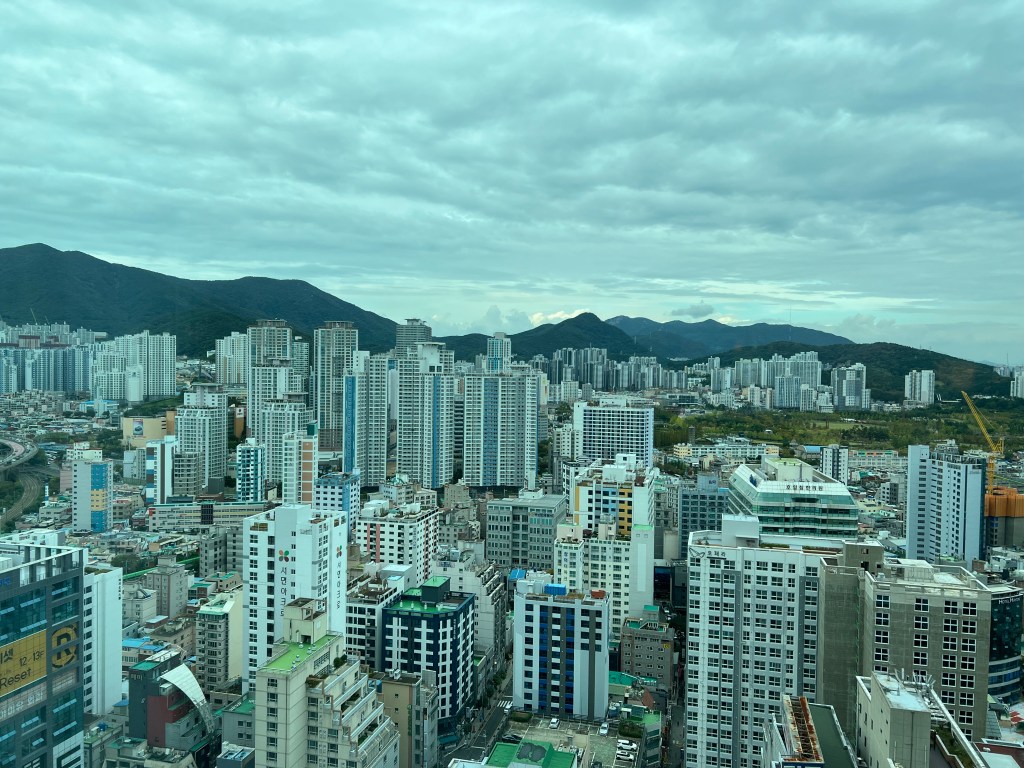
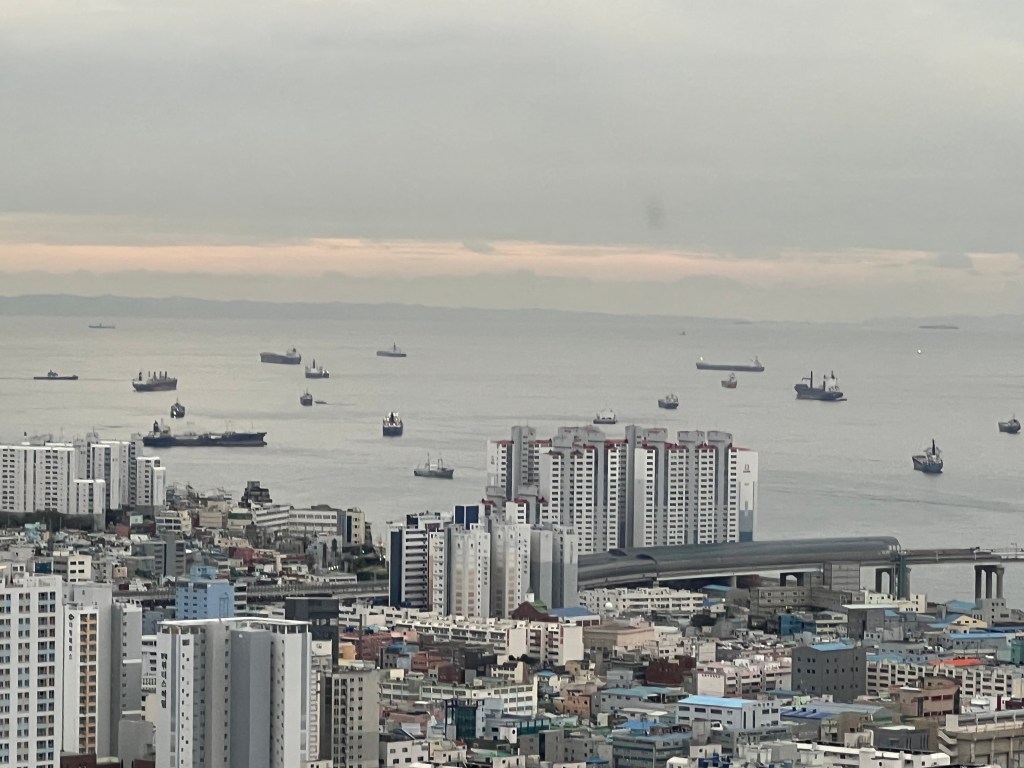
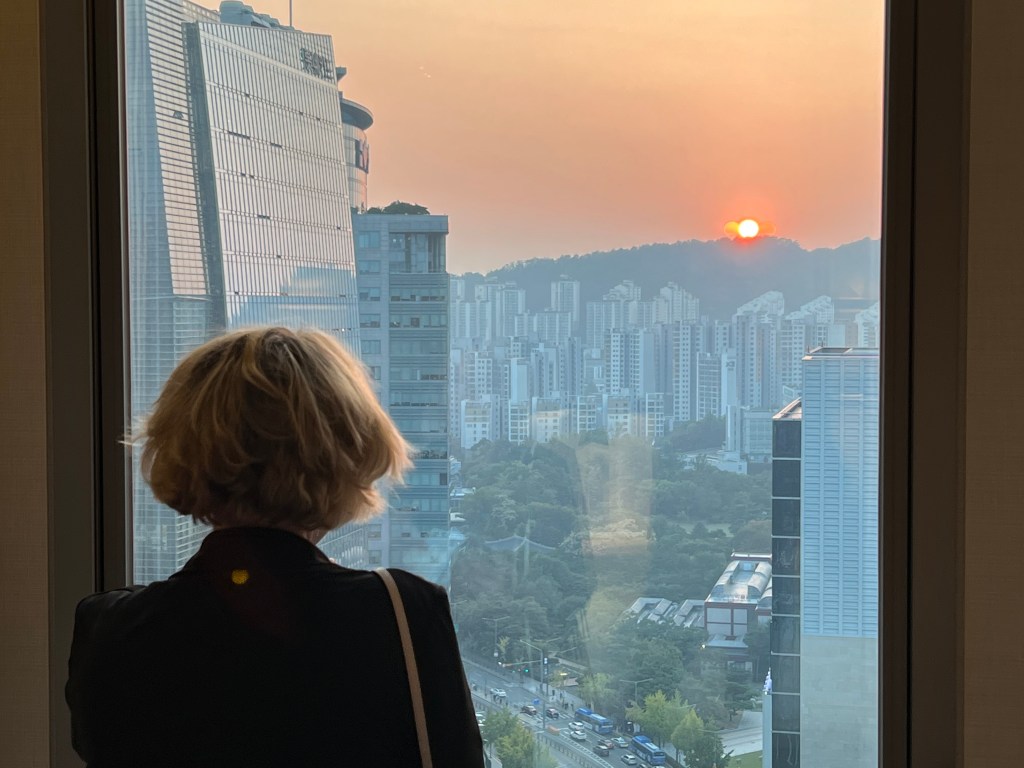
The light rain was still falling, the clouds still gathering, when we went inside the tower and joined a short line for the elevator that would zip us up fifteen floors to the observatory, and the restaurant two floors below. We had only a few minutes to enjoy the 360-degree views of Seoul, looking down on the Han River, the sprawling U.S. and Korean military bases, the ghostly shape and bright red warning lights of the massive Lotte Signiel Tower, one of the world’s tallest buildings, before we went downstairs for dinner. Our table against the windows looked out over miles and miles of southern Seoul, including the bright lights of Gangnam and the steady streams of traffic going over the bridges of the Han River.
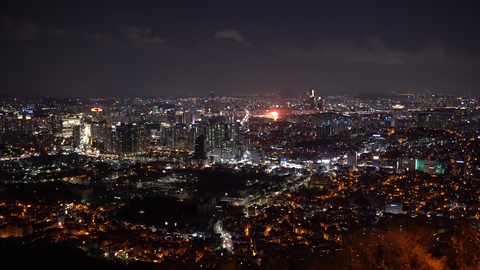
As the darkness fell, and our waitress grilled steaks at our table, the clouds and mist steadily moved off the mountain, and away from Seoul, and we saw what we came for, what we had hoped, the lights of this beautiful city coming on, one after another after another. It was a special time, one of the best, most memorable moments of our vacation so far. Long after dinner, it was still hard to leave that table, that view.
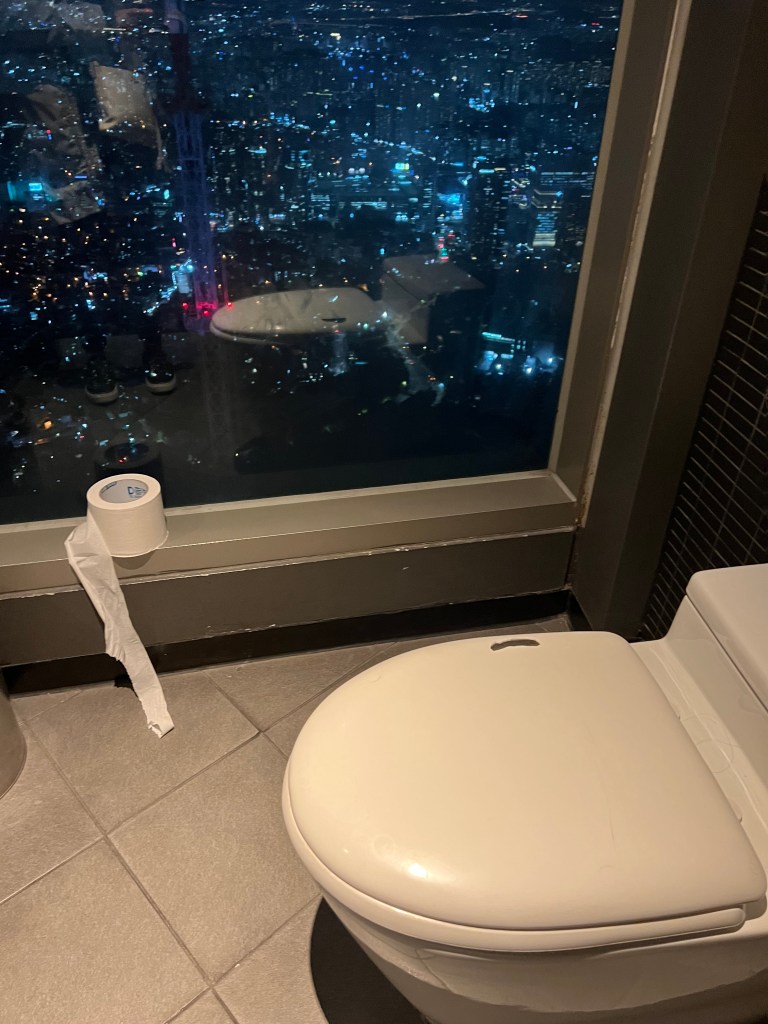
And, well, the bathrooms: The men’s urinals stood in a line against a wall of windows, hundreds of feet high, overlooking all of Seoul. I’m told the women’s stalls provided equally epic views.

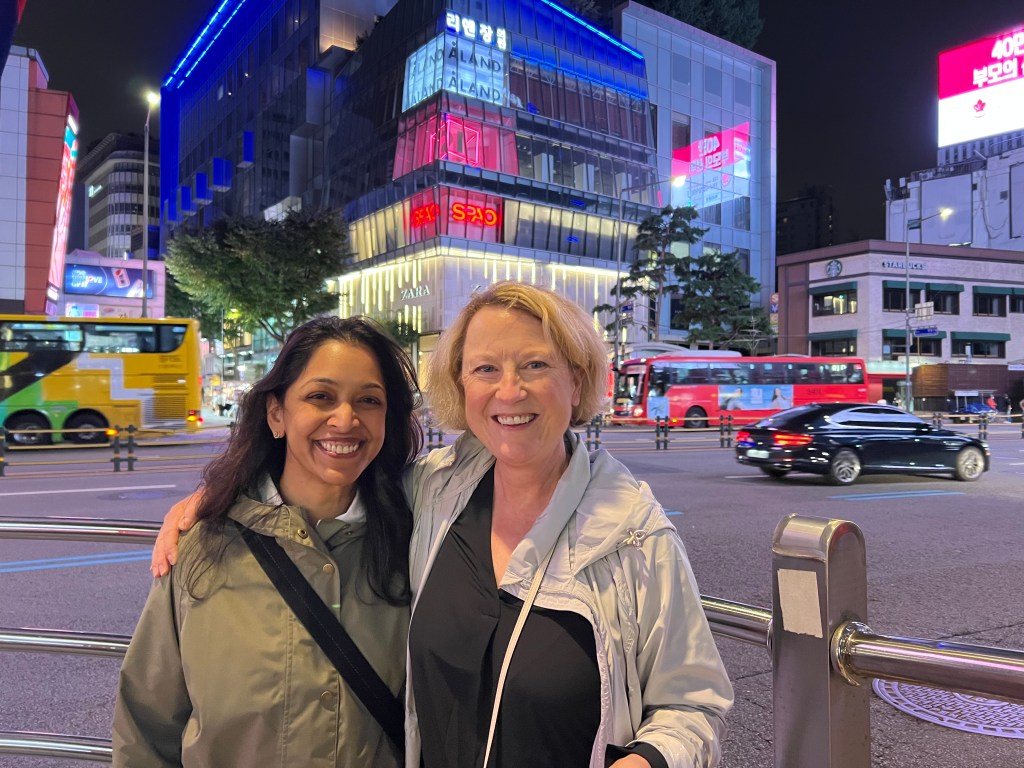
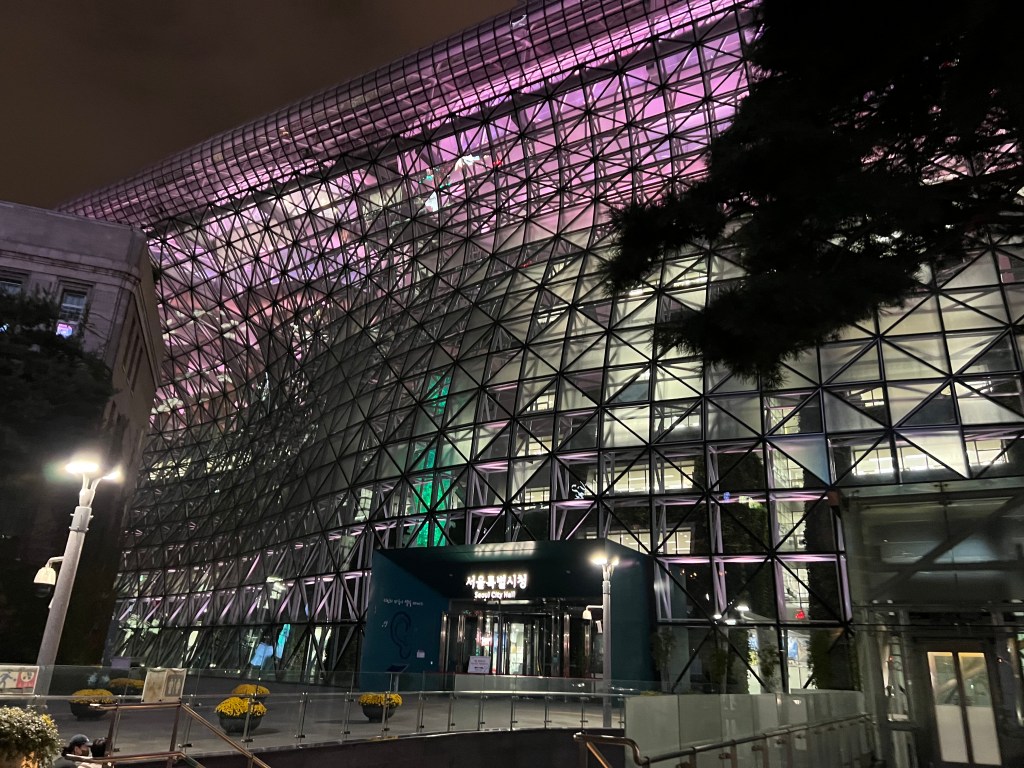
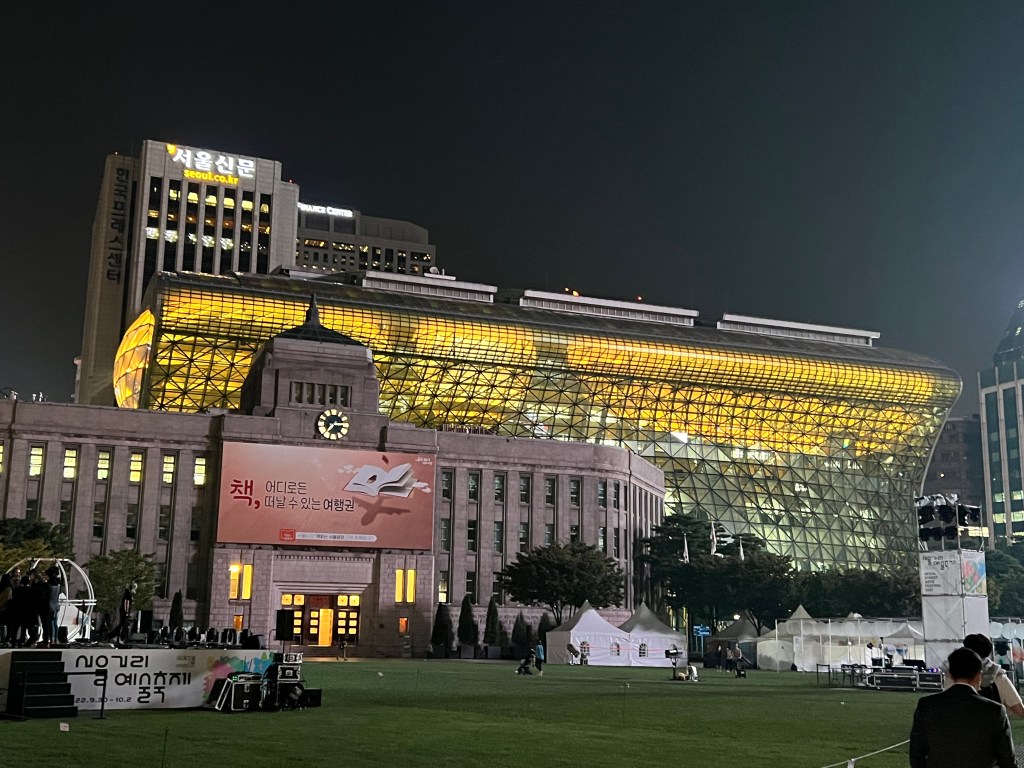
We waited for the elevator behind groups of laughing teenagers, mostly groups of girls. We followed the long trail of love locks back to the cable car station and rode down from Namsan. From there, we strolled beneath some of the brightest lights in Seoul, in Myeongdong, a loud, glitzy, pulsating neighborhood crowded with shops, restaurants, food alleys and video billboards. We shopped our way home, walked past Seoul’s stunning City Hall, its transparent curves changing color every few seconds from blue to purple to gold.
It was one of those vacation nights that you always remember, everything you imagined during the months of planning, just what you dreamed: the darkness falling, the clouds lifting, a very nice meal with people you love, and all those lights, as far as you can see.



Cosmic walkers
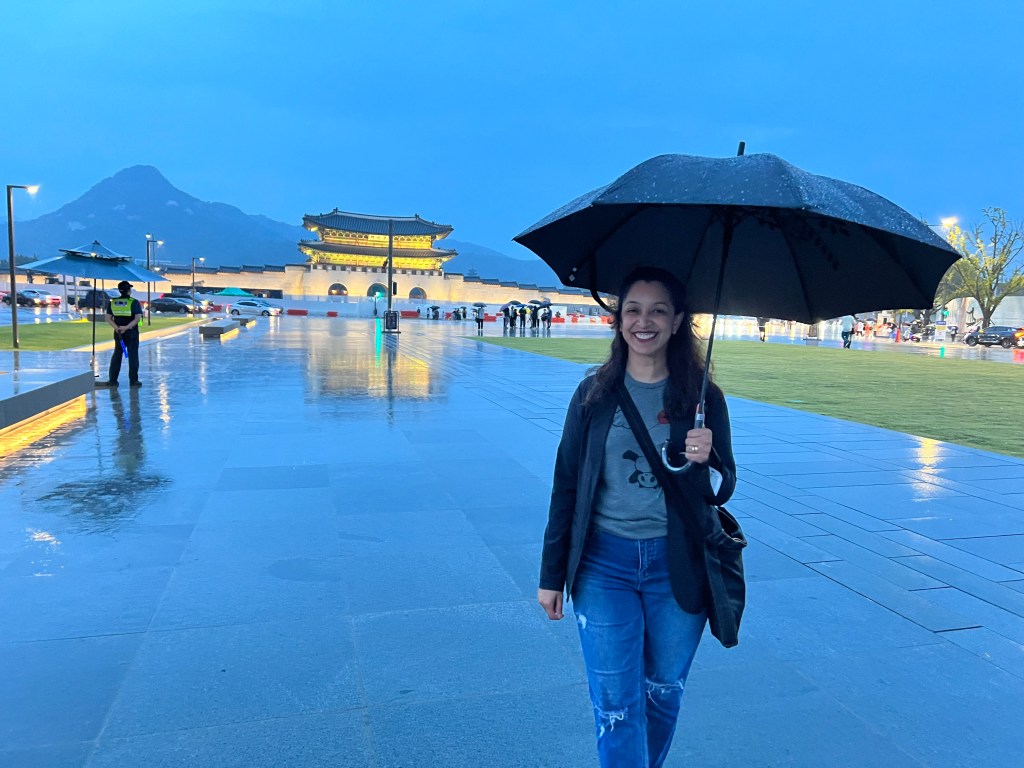
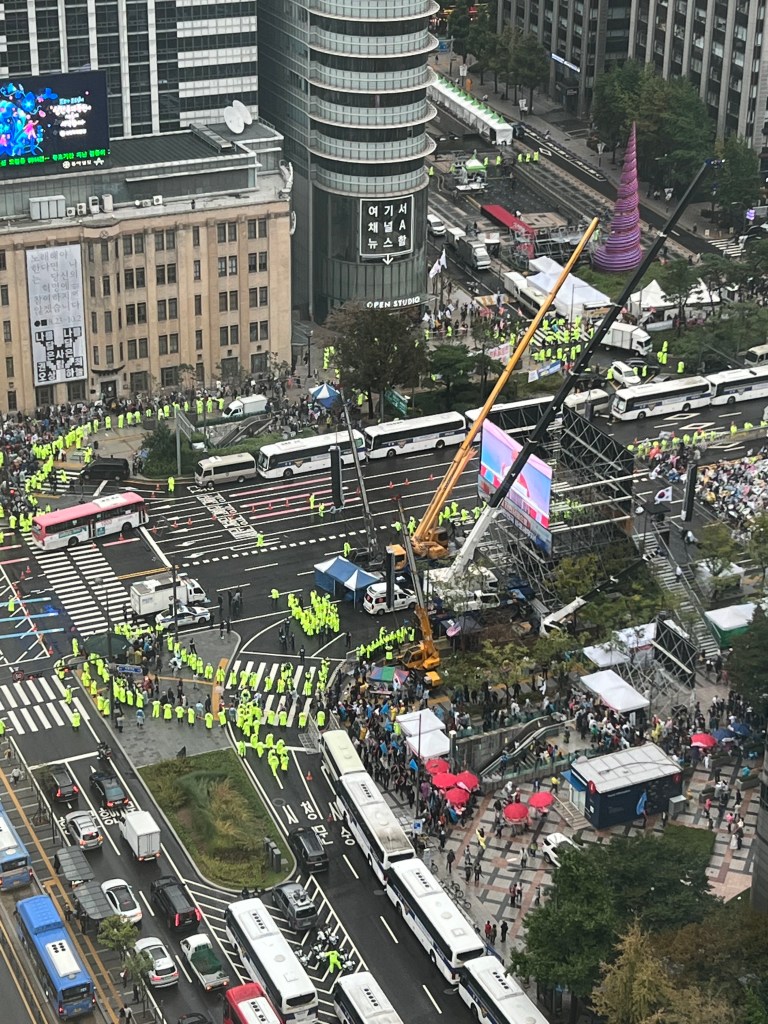
Monday, Oct. 3, 2022 –We spent a few afternoon hours today holed up in our hotel while tens of thousands of conservative political supporters, corralled by thousands of cops in fluorescent green rain jackets carrying batons and riot shields, held a loud, though peaceful, demonstration in the streets just below us, the rain pounding down most of the day.
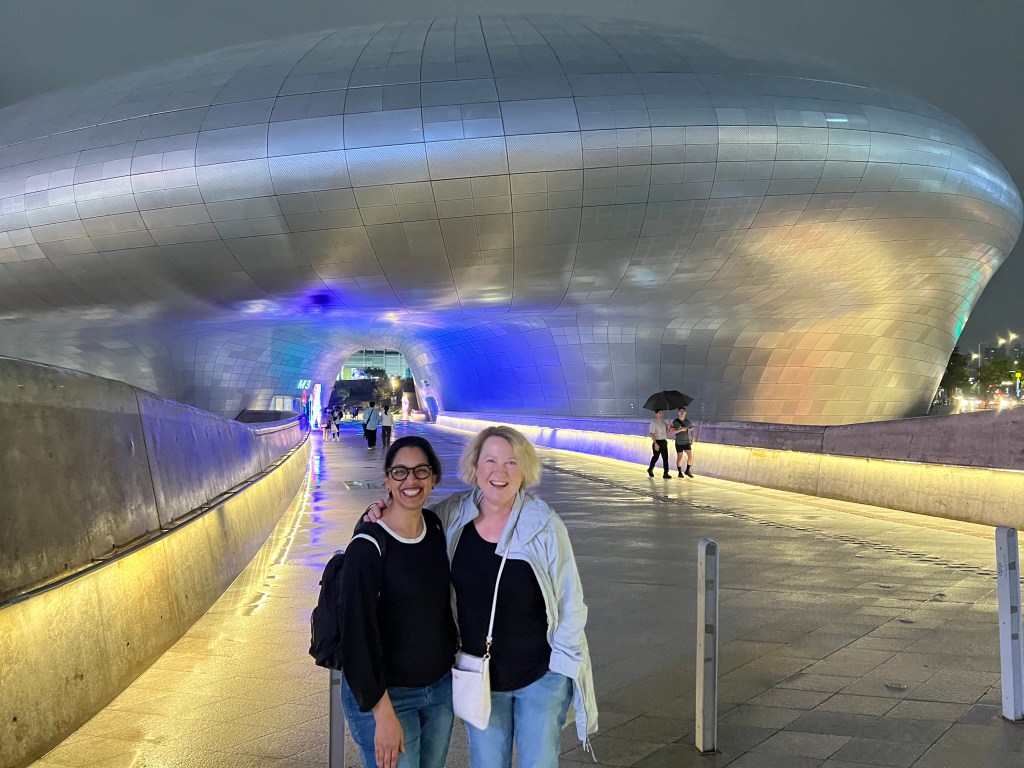
As the demonstration was breaking up, we caught a cab and headed for Dongdaemun Design Plaza (DDP), the famous neofuturist building designed by Zaha Hadid. Along the way our cabbie kept up a steady one-way conversation in Korean, which only our friend, Asma, could partially interpret, and after about fifteen minutes, at times sternly correcting our broken Korean, finally got around to what he wanted to know, asking about the relationship between me, the man the in the front seat next to him, and the two women in the back.
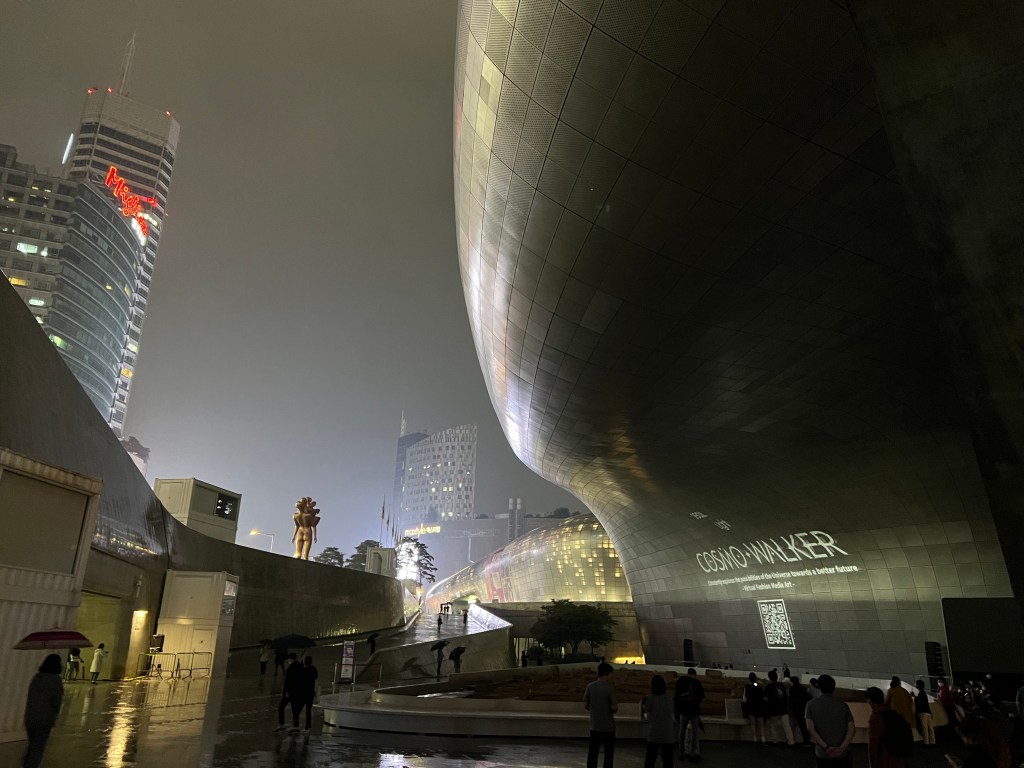
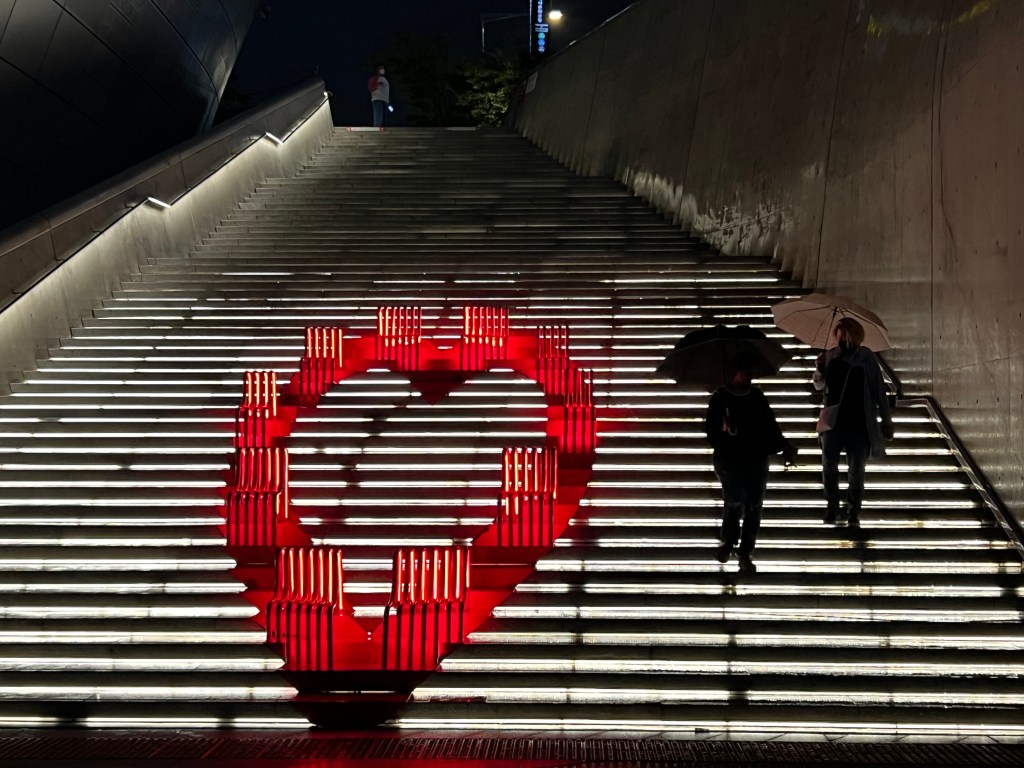
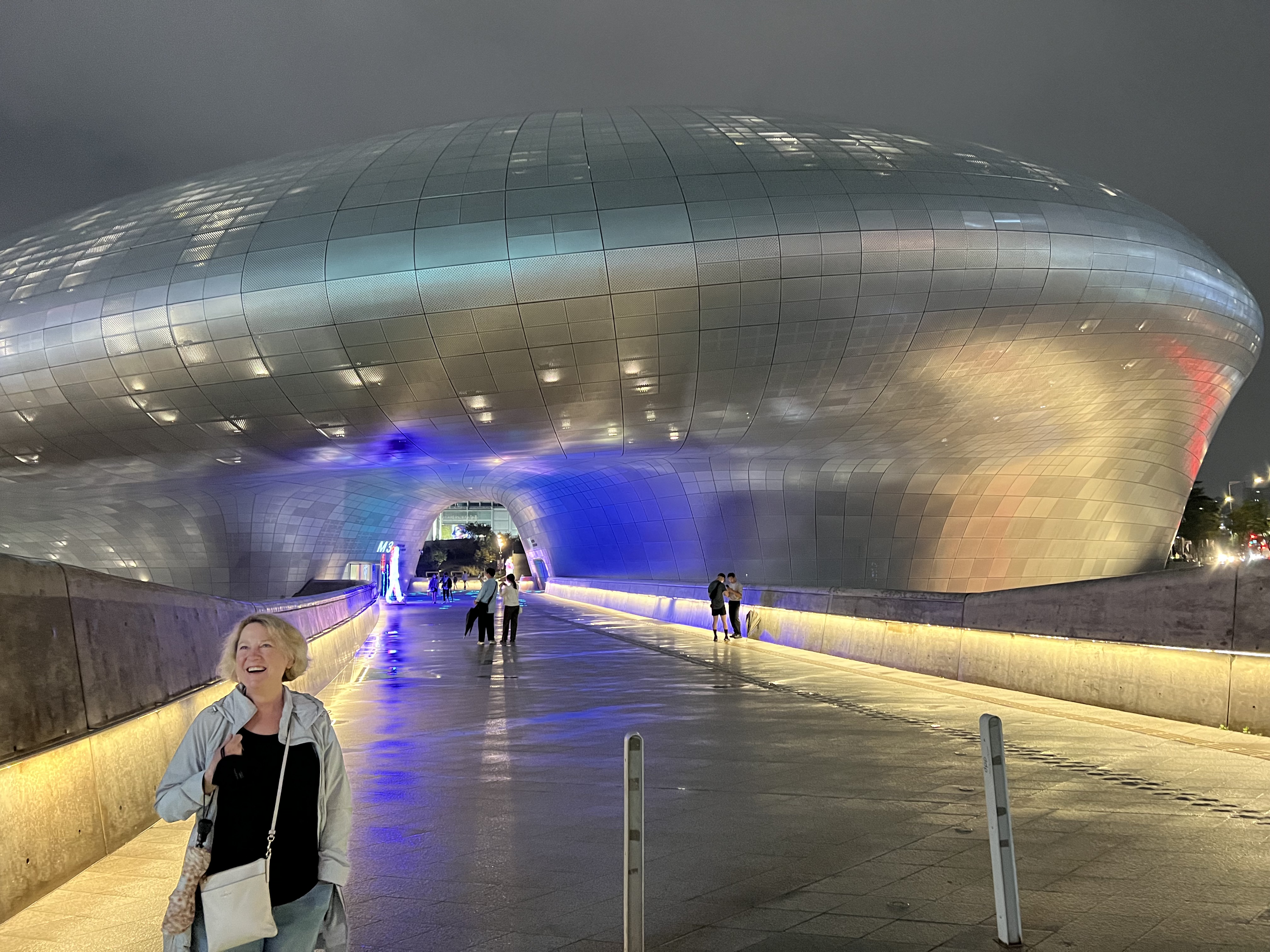
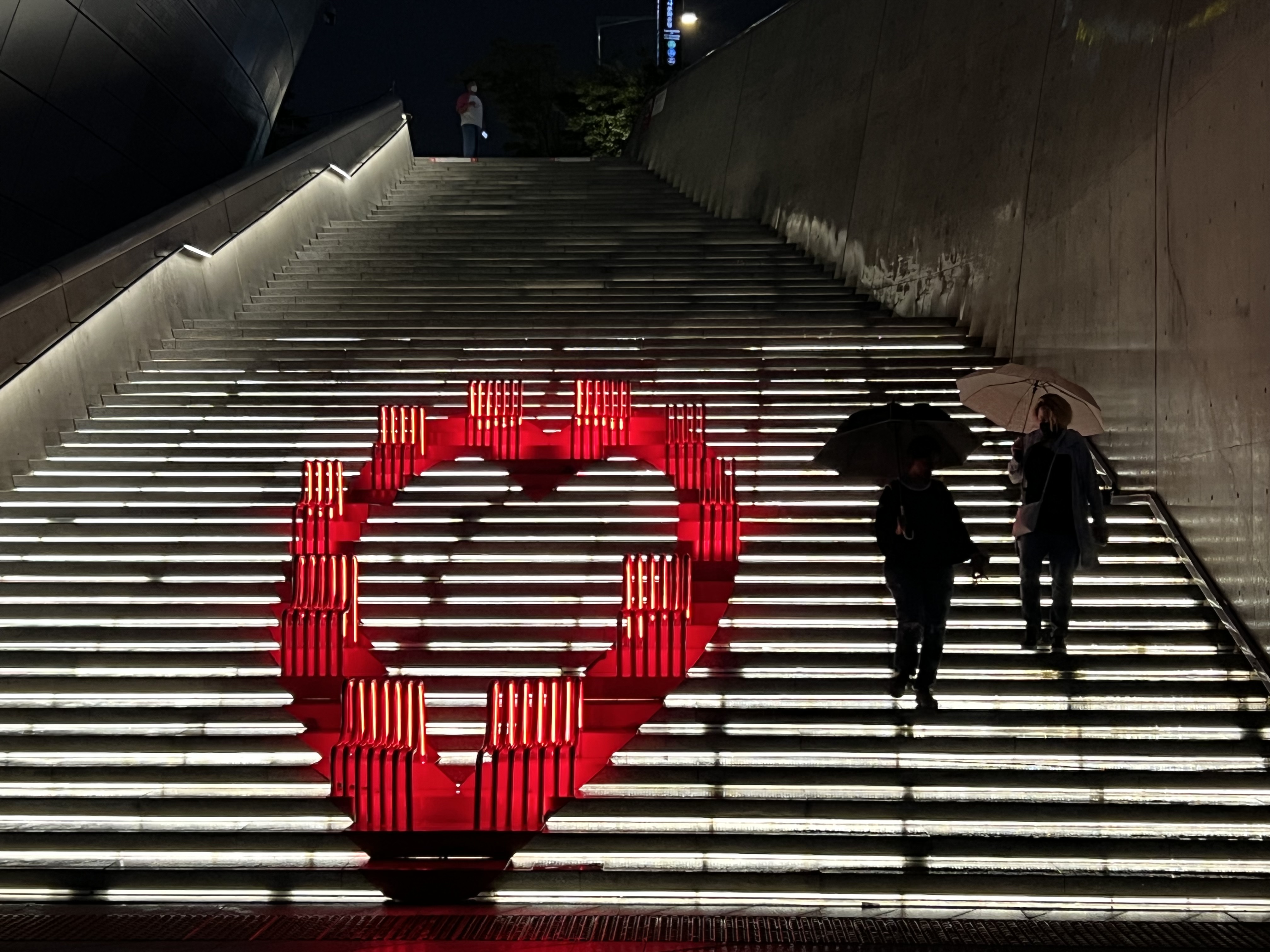
After this long, short drive, we finally made it to the DDP. The building is difficult to describe, but from the outside it looks something like a massive shimmery silver mushroom made of aluminum panels, steel and concrete. We arrived shortly after dark, and the swooping, soaring building glowed with low white lighting. There’s no “front” or “back” to the building, just different levels of ramps that lead inside from all directions. We walked inside on an upper ramp and found ourselves in an entirely white, totally empty, eeriely silent, corridor that circled around the highest levels of the building, climbing higher all the time. We walked alone for about ten minutes, feeling like we were in either an absurdist French film or a perhaps an alien horror film, before finally reaching an entry for some kind of design exhibit called Inside Outside or Indoor Outdoor, which we couldn’t see into, and some young women – the first humans we had seen in a while – seemed to be expecting us and tried to herd us into a short line to see it, but we smiled and backed away slowly and managed to escape on up the winding the corridor.
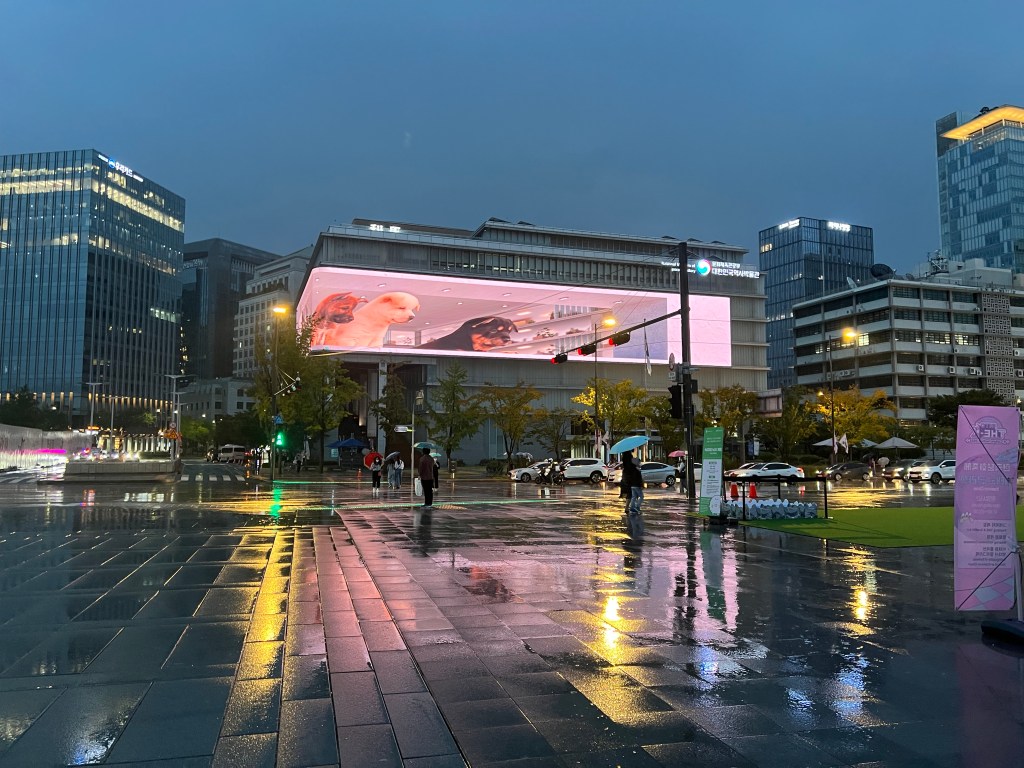
We’d read that there would be a special light show, “Seoul Lights,” at the DDP at 7:30, and so we spent another half hour or so peeking into a few of the cool design shops – the display floors of one was covered with white stones and clothing was hung next to fake trees – trying to stay out of the rain. Finally, they flashed a message on one outside wall of the building that said only, “COSMO WALKER.” We and a few dozen other damp people waited with growing anticipation. Ten minutes later, the show was on.
Up on the swelling silver side of the building appeared a large disjointed figure, maybe 60 feet tall, “walking,” gyrating, dancing or something, his feet disconnected, to the throb of pounding music. We watched for a few minutes, and the Cosmo Walker changed clothes a few times, and shoes, but appeared to be ready to walk endlessly for the show’s next 2.5 hour run. We didn’t stay for the end, or maybe we did, to be honest I’m just not sure. We later read that the work “depicts the image of humanity walking in search of the possibilities of cosmic life.” Aren’t we all?
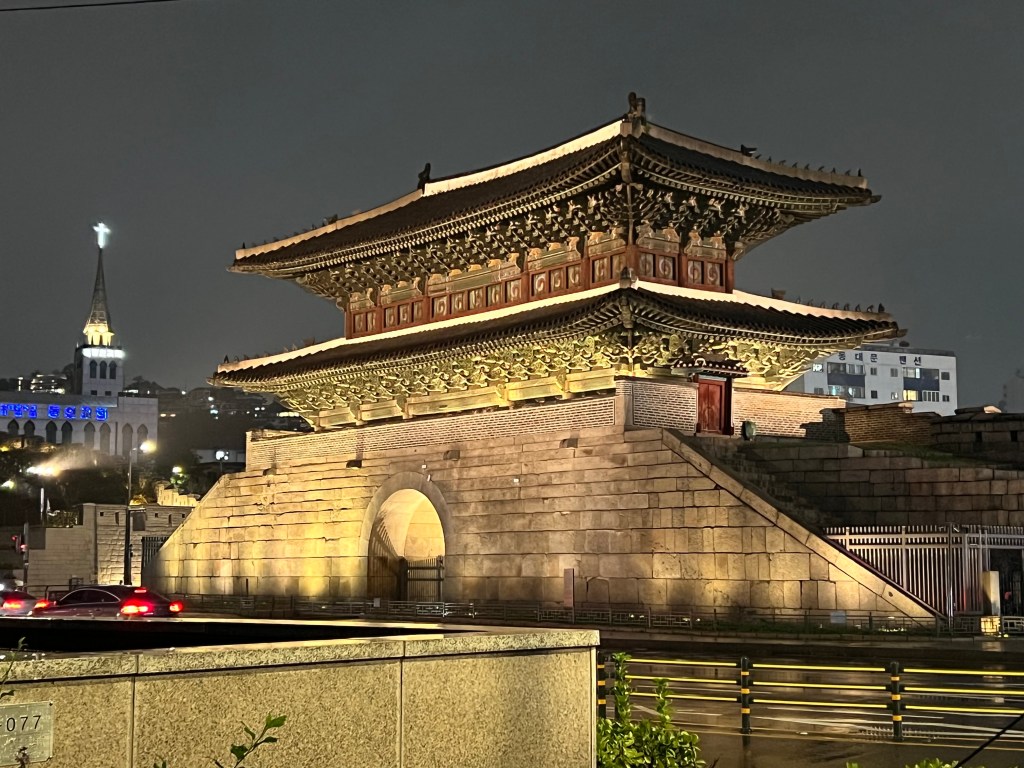
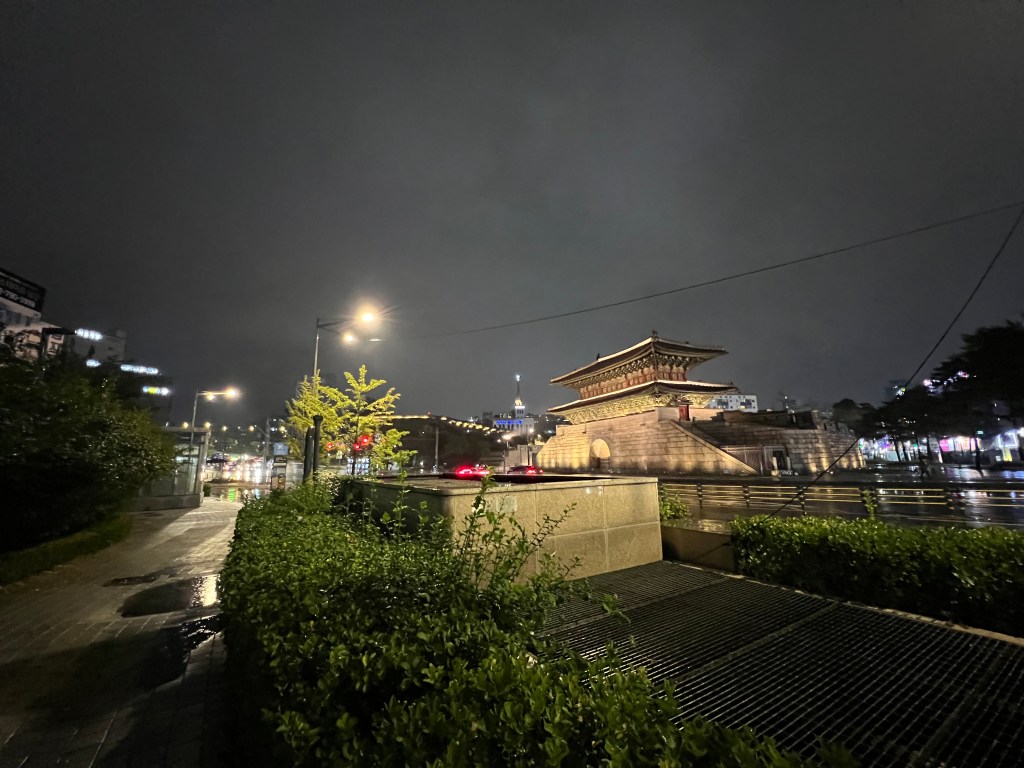
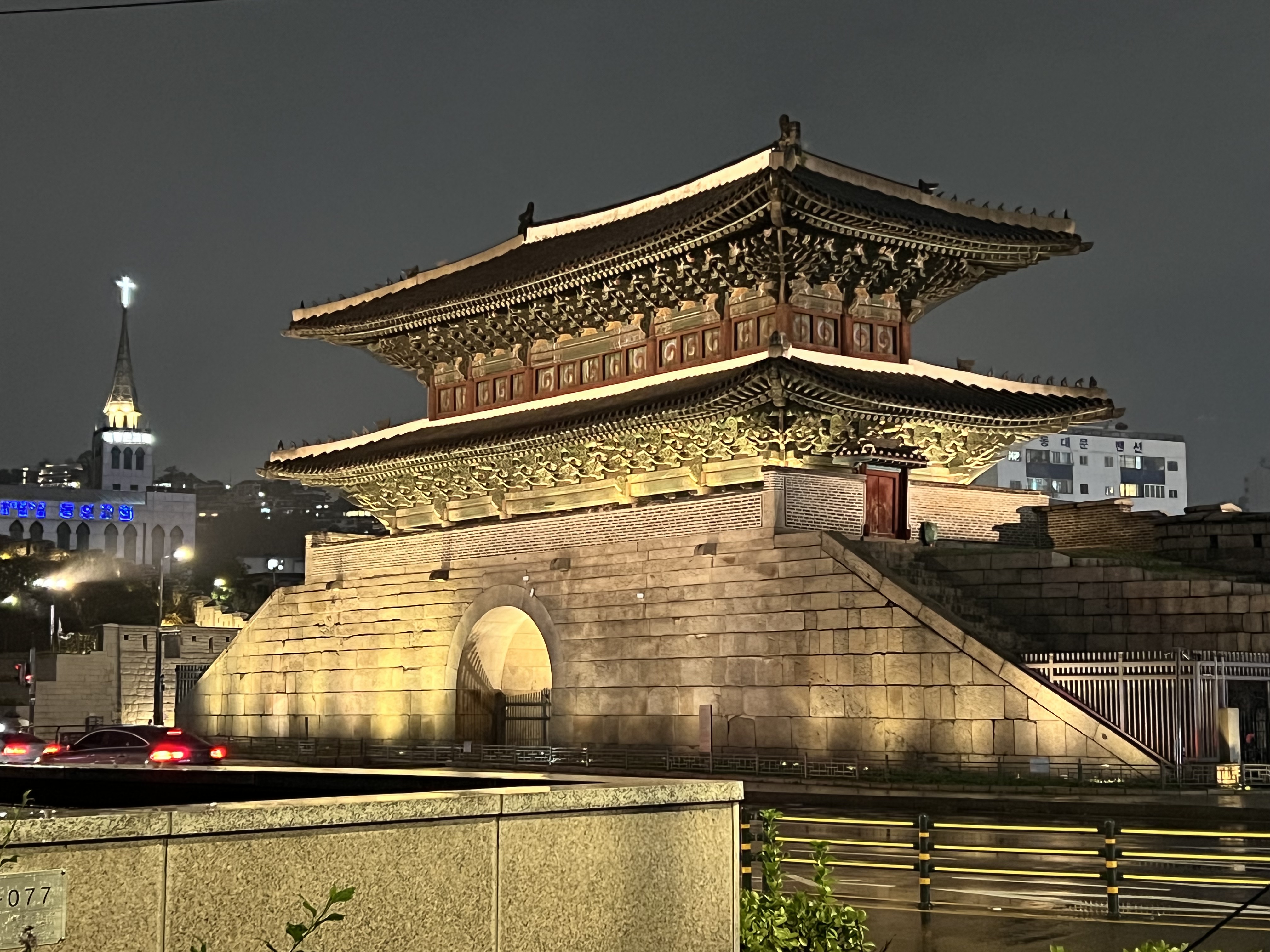
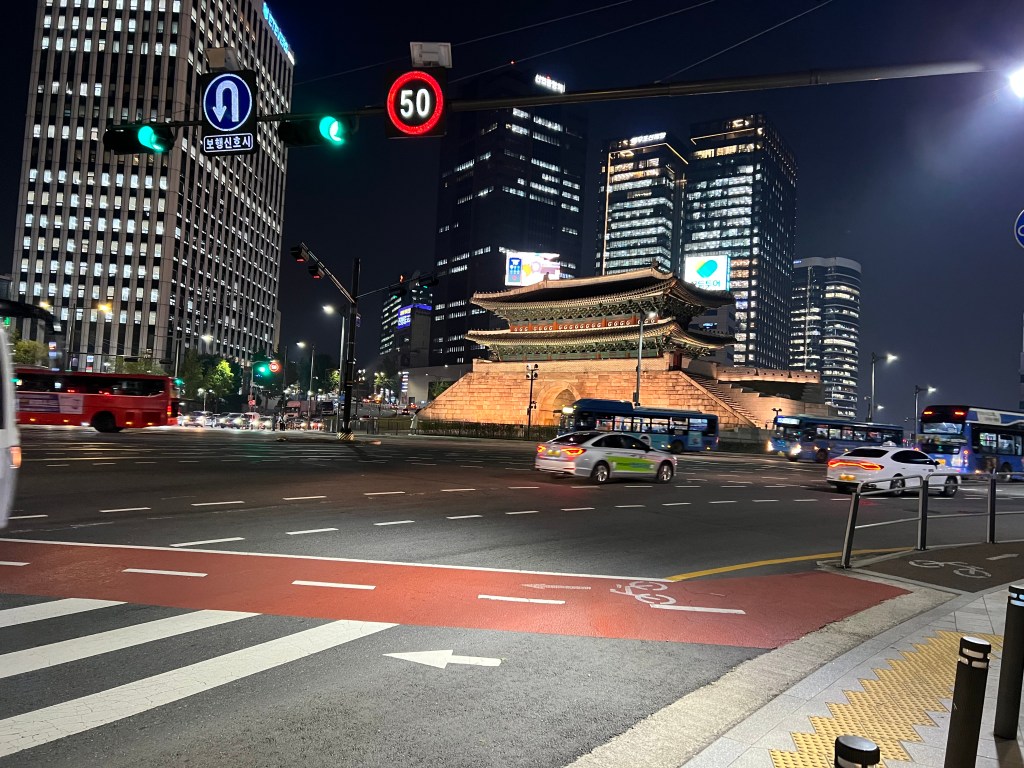
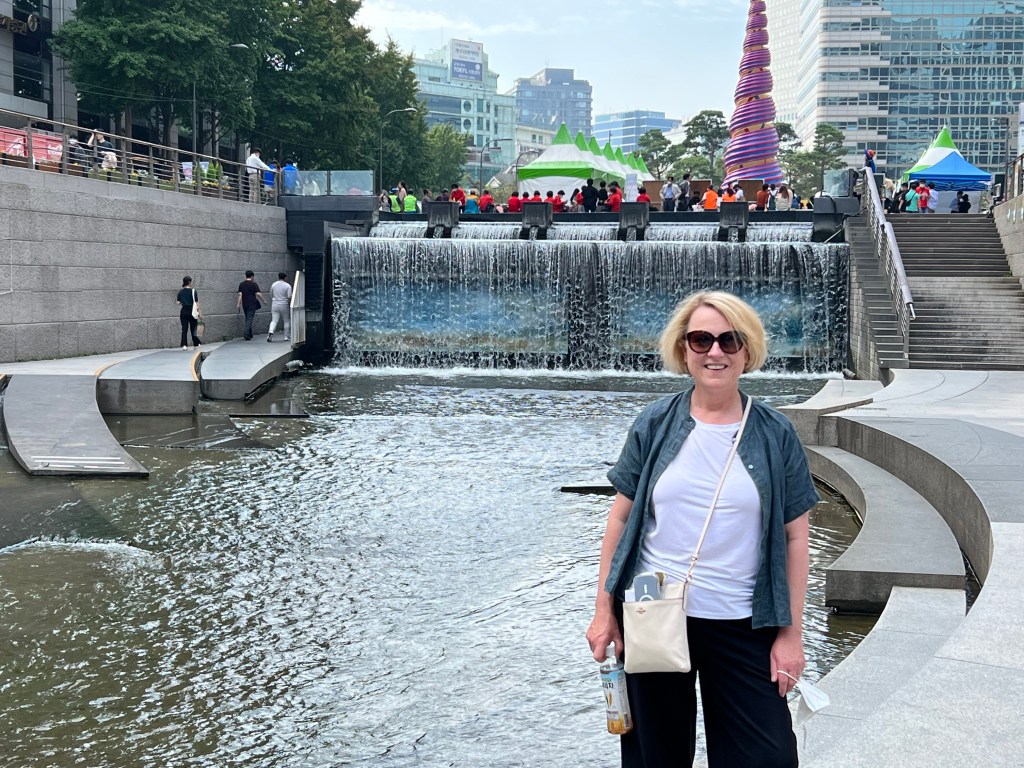
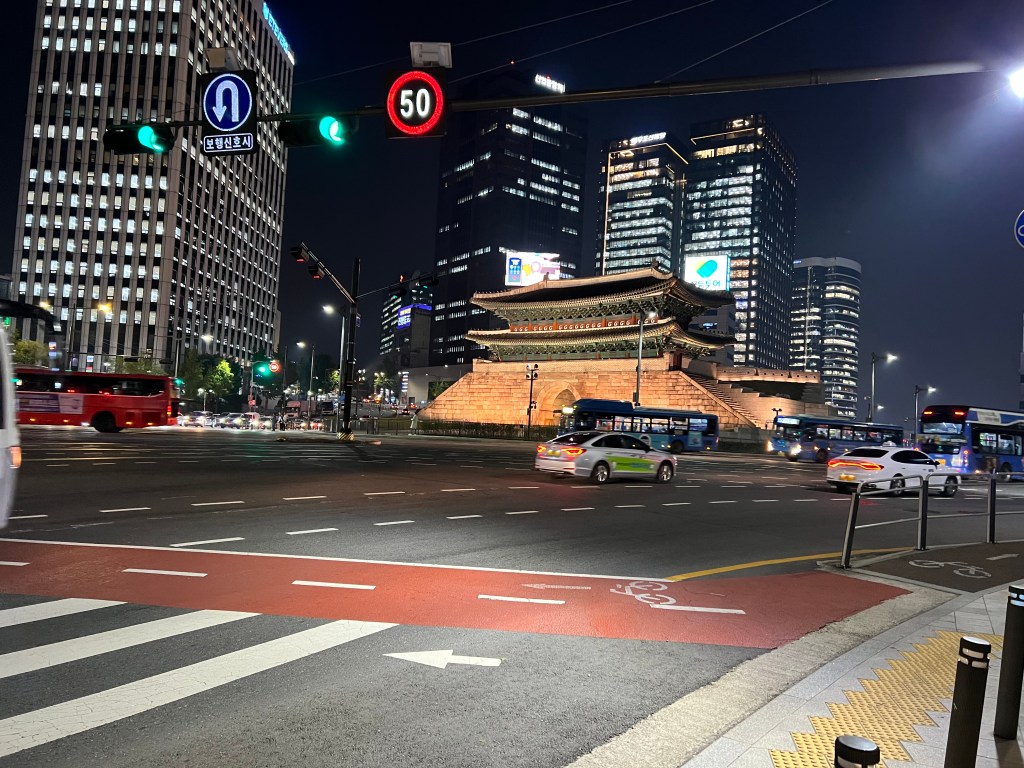
Then we walked out into the rain. Our destination was the famous Gwangjang Market, a food alley that is said to have some of the best street food in Korea, if not all of Asia. Maybe it was the rain, the enormous lunch that we’d had, or the fact that we badly underestimated the distance between the DDP and the market, which turned out to be a half hour trudge in a steady downpour, past the beautiful Dongdaemun Gate, and block after block of a massive wholesale clothing market (it was closed, but we could peek inside and see spaces filled with hats, thousands of hats). We had planned to walk along the beautiful urban stream, Cheonggycheon, but the rain – and potentially rising waters – meant the streamside walk was closed. There is a famous scene in the Korean movie Parasite when heavy rains lead to heavy and disastrous flooding, and Asma commented that we were having our Parasite moment. We finally arrived at the street alley, soaked and mildly disoriented, and were faced with aisle after aisle, booth after booth, filled with endless mounds of mungbean pancakes, tteboekki and kimbap. Not knowing which might be best, we rolled the dice at a stall that had free bench seating, yet still had a few Korean couples eating at it, hoping this might be the ticket. Unfortunately, we made a poor guess – looks are deceiving, since we had had some pretty amazing mung bean pancakes back at Namdaemun market, which had looked much less promising.
We ate, and took the subway back to the hotel, only a few stops, but it gave us one last challenge – a lengthy labyrinthine transfer ending with a sprint down the final stairs to catch a departing train just as the doors were closing. It was a nice rush of adrenaline to at the end of a long, long day, and then the Cosmic Walkers, sweaty, soaked with rain, with sore feet after a long, unforgettable day, finally limped to their rooms.



Barbed wire in the gift shop
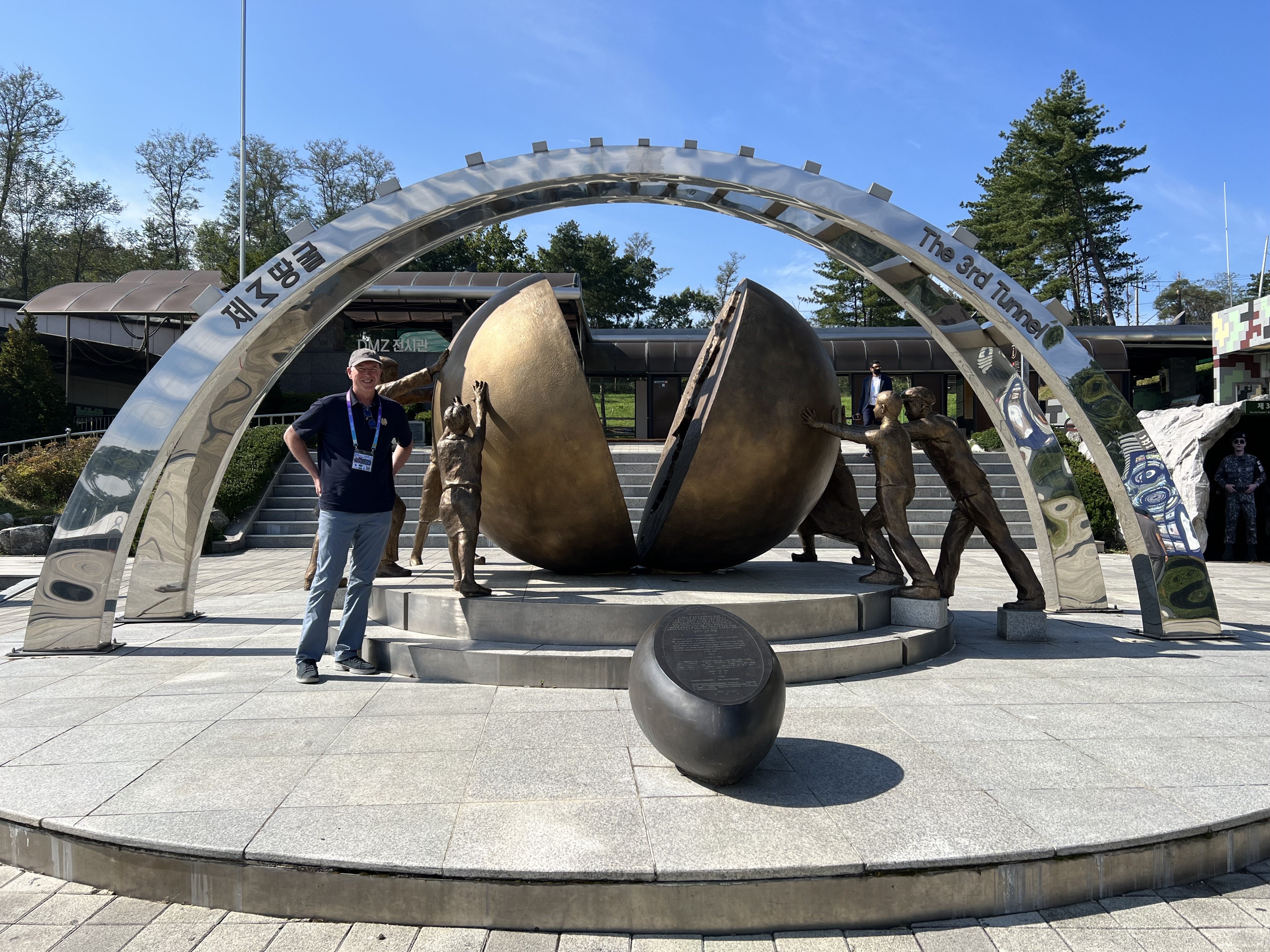
Oct. 1, 2022 – Courtenay roamed more Seoul neighborhoods and palaces today while I went to the Korean Demilitarized Zone, the tense, jagged line separating South and North Korea. Courtenay would have come along but she was rightly concerned about COVID and spending the day in close quarters with a group, a worry that was born out when my seat mate in a small van introduced himself and said he’d just come out of quarantine after testing positive upon arrival to Korea. We didn’t shake hands.
The truth is there is not that much to see at the DMZ, but there is a lot to think about.
It is one of the world’s saddest, strangest tourist attractions, the only place I’ve ever visited where they sell pieces of barbed wire in the gift shop. Former President Bill Clinton called the DMZ “the most dangerous place on Earth,” and perhaps, outside of Ukraine, it still is, with major armies stationed only a few kilometers apart, signs lining the roadsides warning about unexploded mines, and North Korea sending menacing messages by firing long-range missiles almost every day this week.
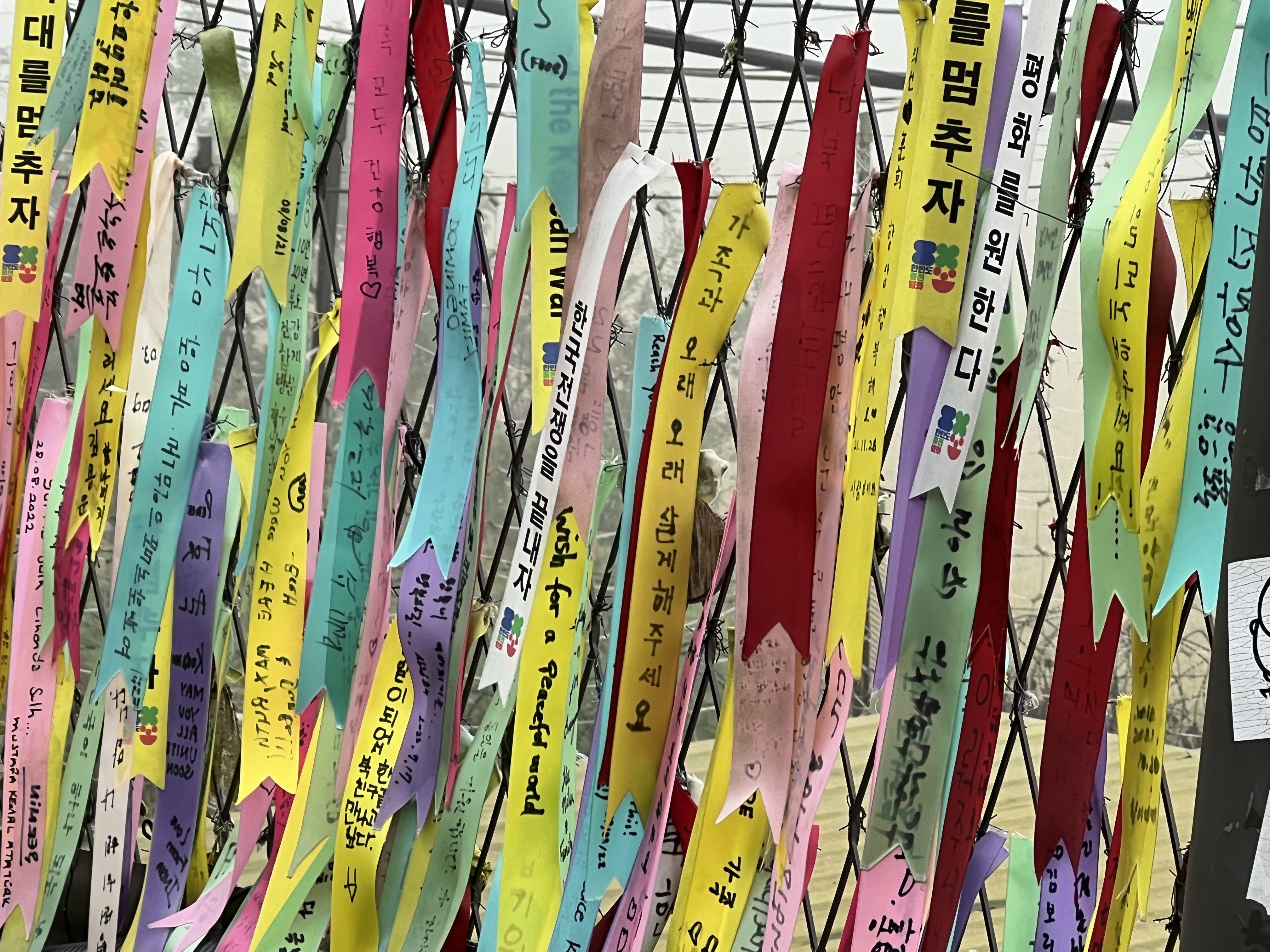
But on this warm autumn day, the fields of rice in the farms around the Korean military checkpoints ripening to a yellow-gold, the DMZ was quiet, almost serene. Fluttering in the light breeze at our first stop, Imjingak Park, the last village on the South Korea side, were thousands of ribbons attached to a fence. Our Korean guide, Nancy Kim, explained that the ribbons carried messages—news of births and deaths, messages of love and lost and longing, from South Koreans to their long-lost relatives in the North. No contact—no phone calls, no letters, nothing—is allowed between North and South, where millions of families were separated when the war ended. The South Koreans place the ribbons in Imjingak hoping that the wind will carry their messages of love into the North. There is also a concrete platform, the Mangbaedan altar, where families come to leave offerings, pray for their lost loved ones, and, Nancy said, cry and cry and cry.
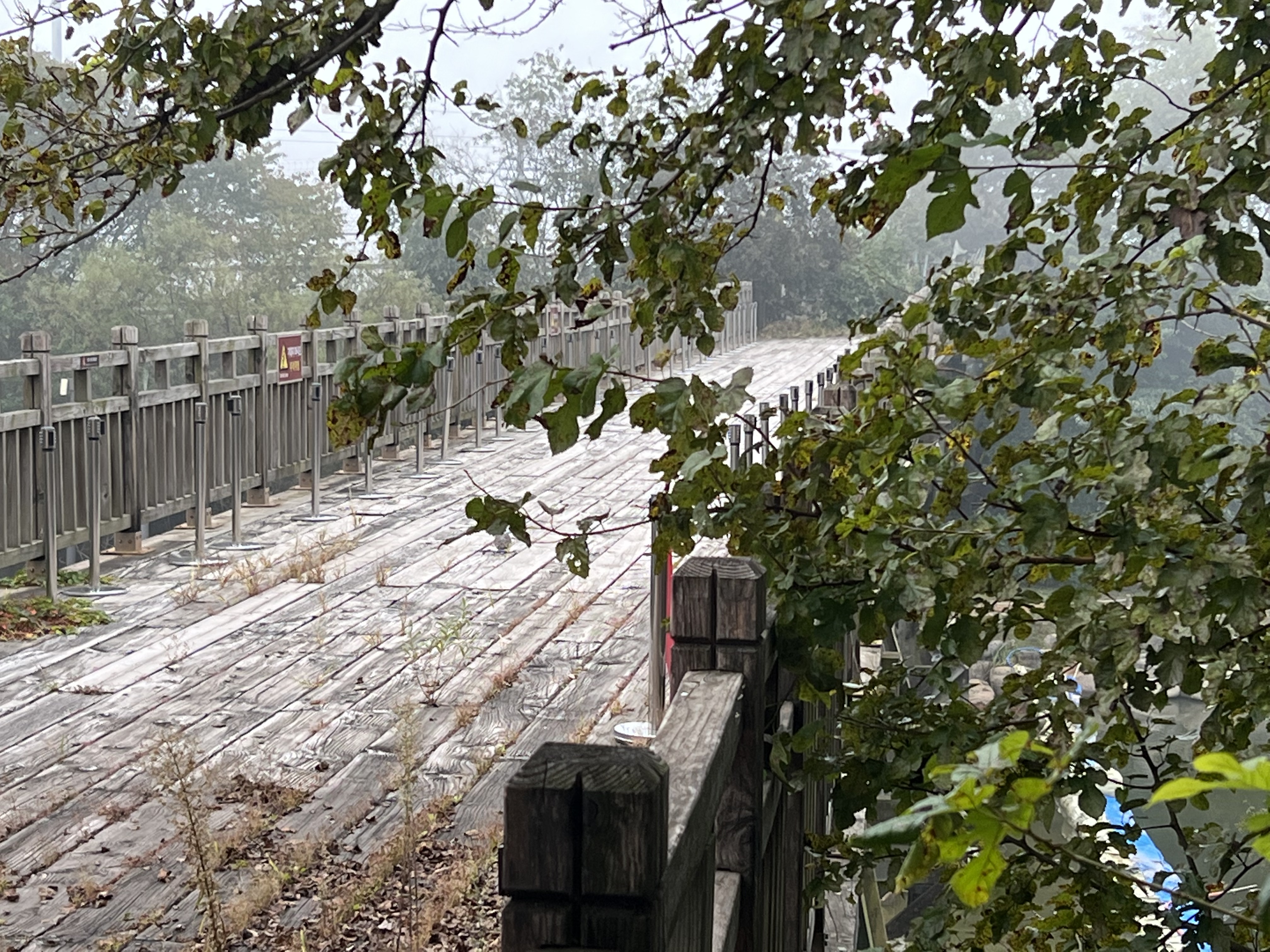
So, no, this isn’t your ordinary tourist destination. We saw the remains of the Freedom Bridge, a now abandoned wooden bridge where more than 10,000 prisoners were exchanged at the end of the Korean War. We then walked down deep into one of the “infiltration” tunnels that North Korea dug beneath the DMZ, apparently as a prelude for an invasion. The South has discovered four of these tunnels; it’s believed there are another dozen or more undiscovered. It’s a long, cramped thirty-minute round trip down deep below the DMZ, where the tunnel is now blocked with three concrete walls, just a few feet south of the military line of demarcation. We went to an observatory on a high bluff overlooking the DMZ, where we looked across the line and see North Korea. It was mostly forested, not farmed like the South side, and through the binoculars atop the observatory, you could see the buildings of Kaesong, the closest North Korea city. From that distance, it looked just like any other small city shimmering in the mid-day light.
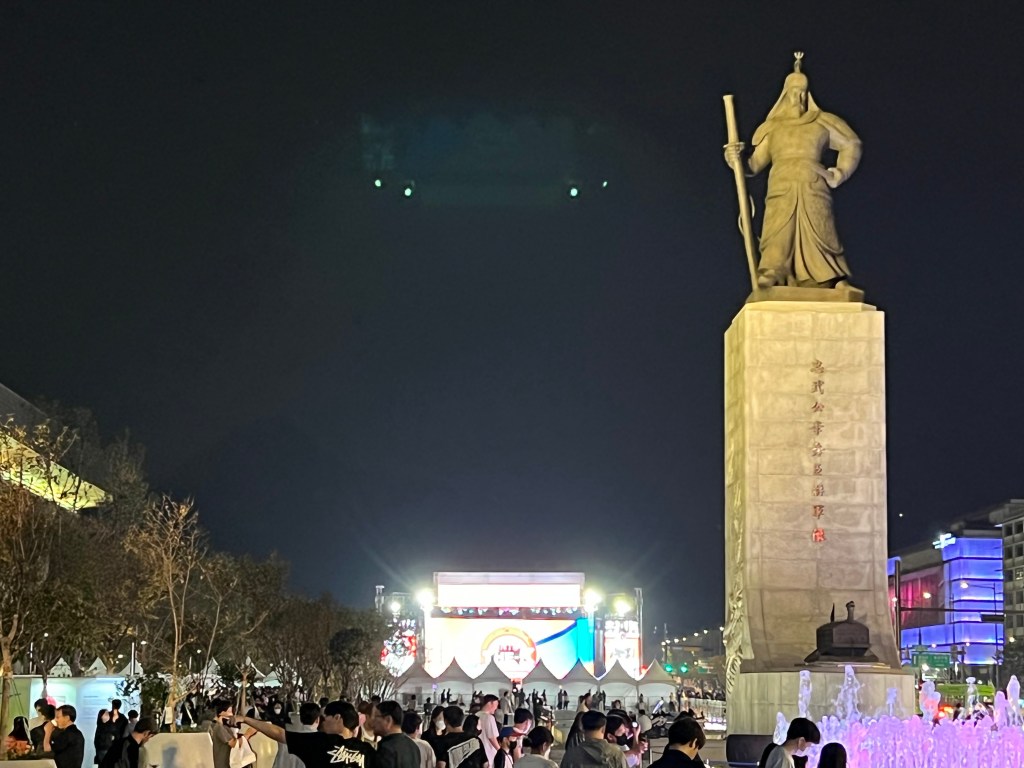
It was a mind-bending day. I came back in the mid-afternoon, met up with Courtenay, and later we went out into the Saturday night maelstrom of Seoul, which was, in such a dramatic contrast, incredibly vibrant and alive, with thousands and thousands of people on the streets, dancing to K-pop music, shopping, eating, a huge group marching around City Hall loudly protesting something.
Meanwhile, the quiet stillness of the DMZ was less than an hour away.
Seoul Survivor
Written by Courtenay
Wednesday Sept. 29 to Friday, Sept. 30, 2022 – Almost exactly five and a half years ago, I was sitting in an exam room at OHSU, trying to understand the incomprehensible news that I had blood cancer. I was in utter shock and despair. All through that terrible morning, my phone kept pinging – “Almost time for your flight to Tokyo,” “Four hours until your flight to Tokyo,” “Your flight to Tokyo is now boarding.” It was a surreal punctuation to a reality that rather than boarding a plane for a long hoped-for trip to Japan and South Korea with my family, I was facing a rather terrifying and uncertain future. We had planned to meet up with fencing friends in Seoul and take Will to watch our first international Grand Prix after a short stay in Tokyo. Instead, we found ourselves in a completely parallel universe, where the only travel that people talk about is your “cancer journey,” a term I despise. That ain’t no journey.
But I digress. One stem cell transplant and a lot of recovery later, in March 2020, we were set to take that same flight, to take Will, Mitchell and Alex on Alex’s first trip to Asia and our first trip to Japan in eight years. March 2020 – remember the lockdown? My timing was impeccable. I started to feel like I should never plan another trip to Asia or the whole world would come crumbling down. Our next attempt to travel to Asia – just South Korea this time and with friends Asma and Rehan – was scuttled last fall when the Delta variant surged. So you can imagine the trepidation – and disbelief – that I have felt over the past few days as we actually flew to South Korea. The feeling as we took off from Seattle was surreal, but a good surreal. It felt amazing to be able to do something I once thought I might never be able to do again, that flying here now, this fall, somehow helps – not erase – but lay down a new track on those traumatic memories. I feel blessed. I feel healthy, strong and excited to explore this totally new country, culture and language. I feel normal. I feel like me. There was a time five years ago when all I wanted was to not be myself, anyone but myself. I am myself again.
Oh, and Seoul is incredible.
Our friend Sungmin had told us so. He is right.
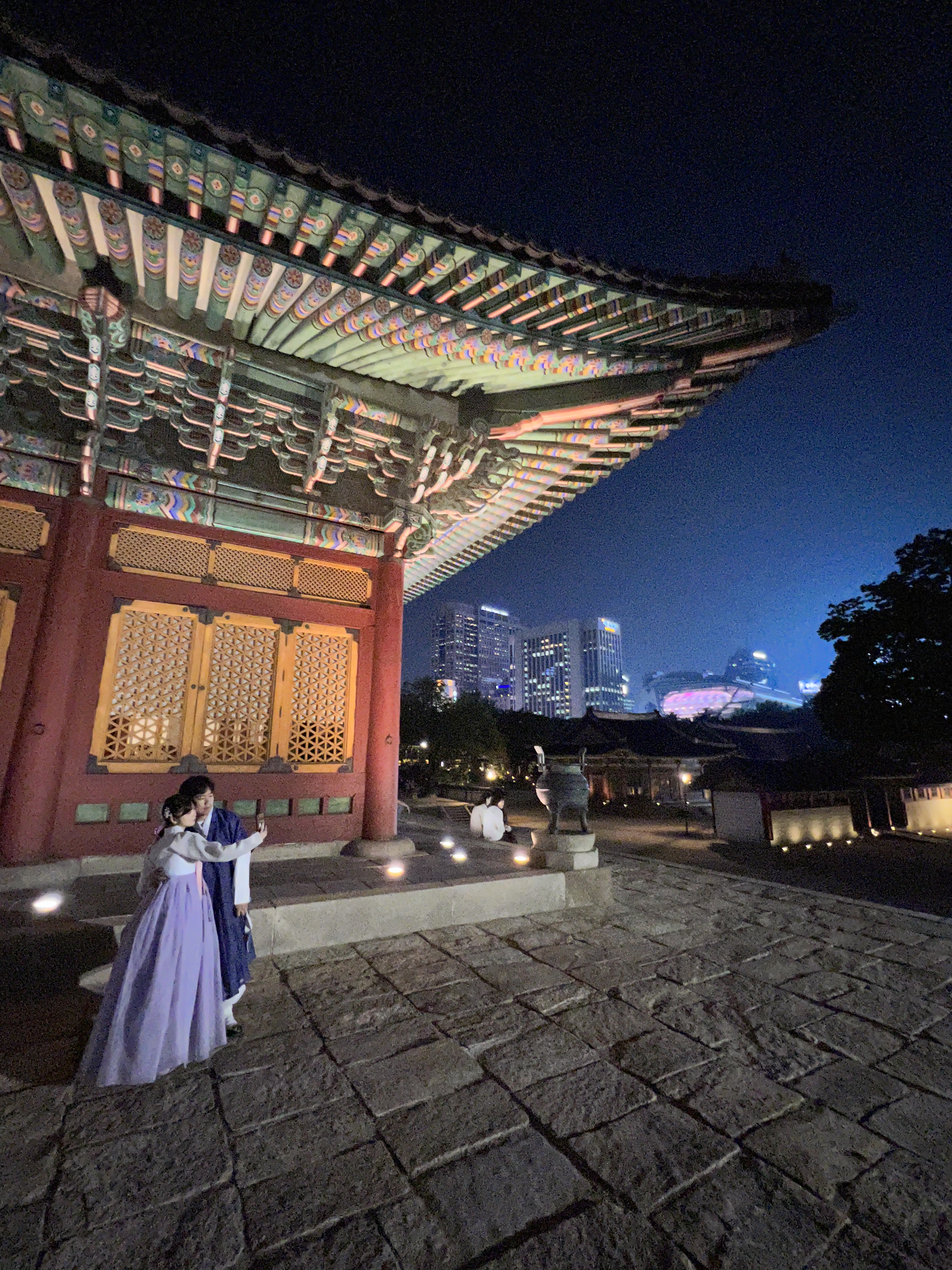
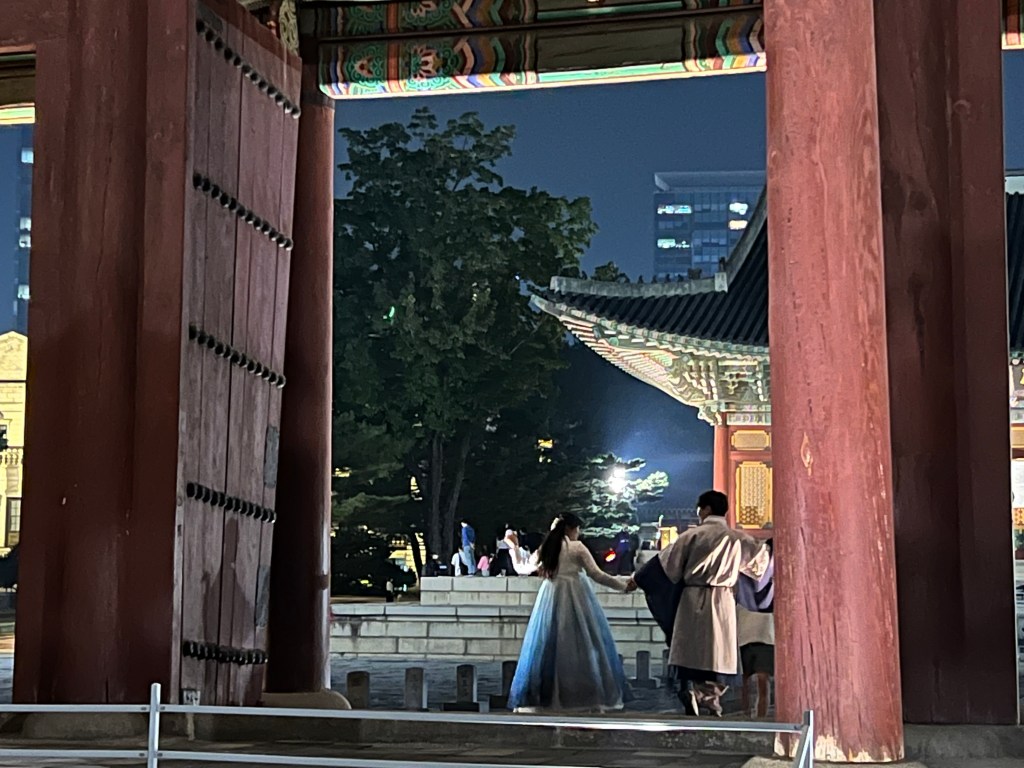
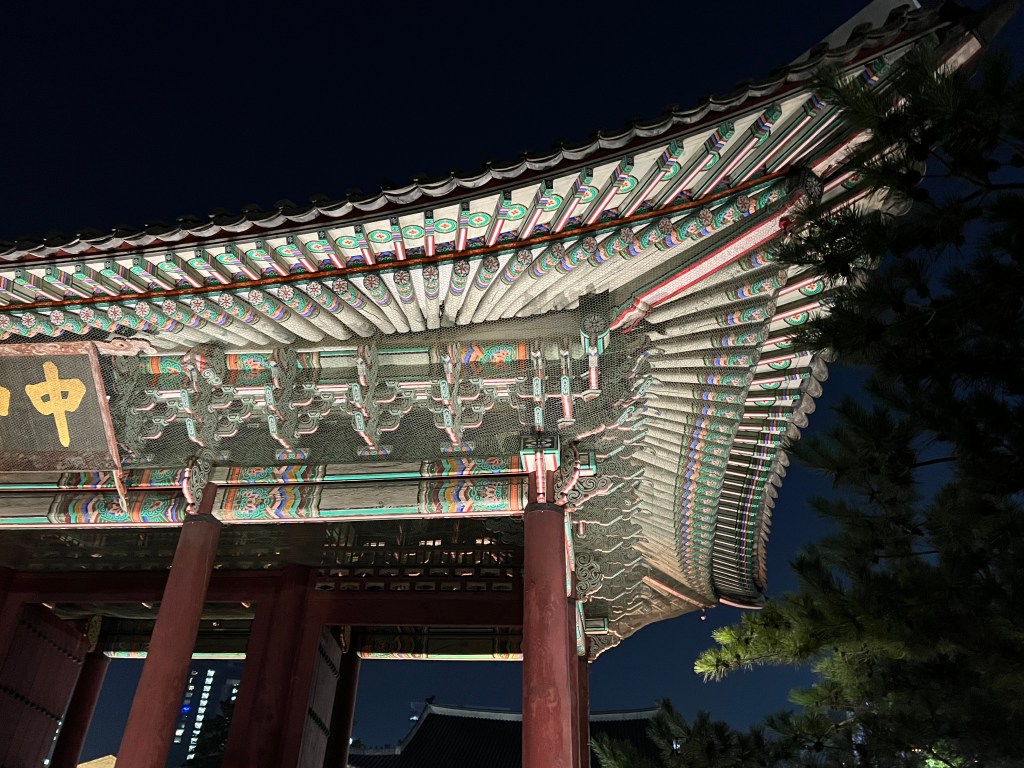
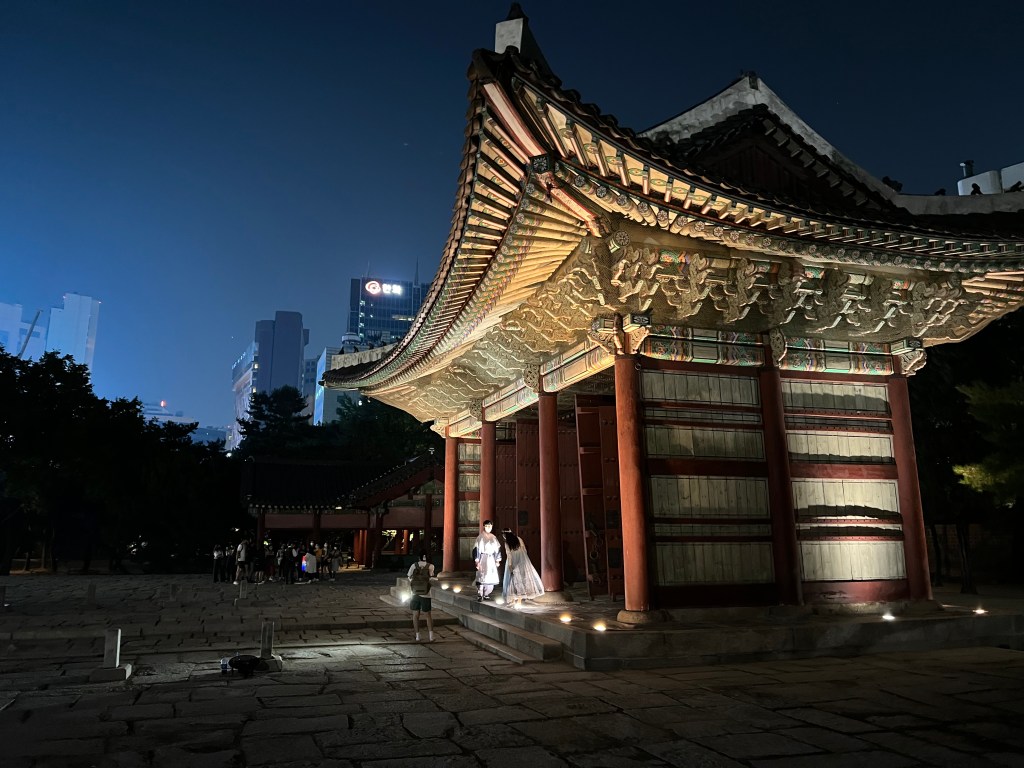
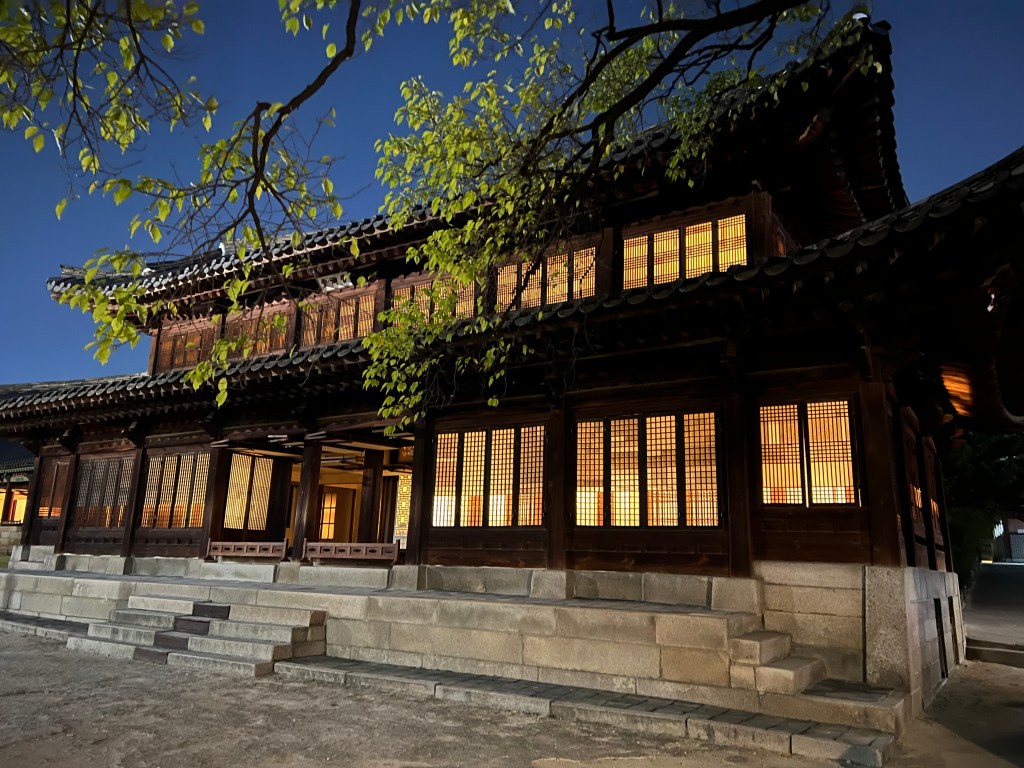
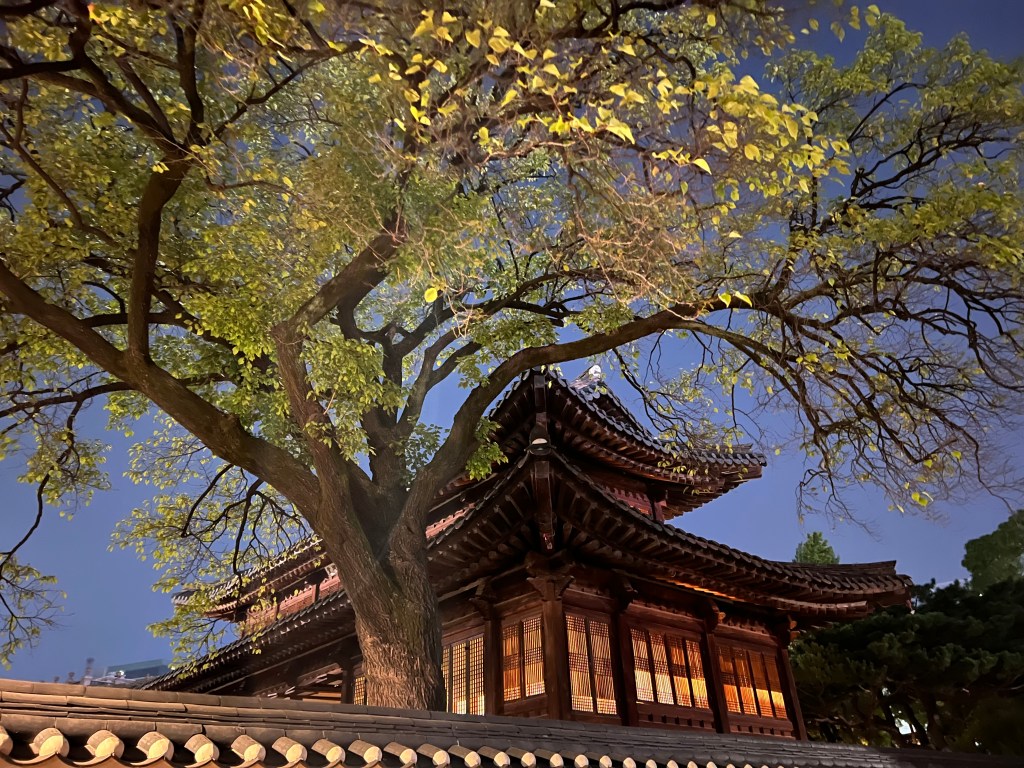
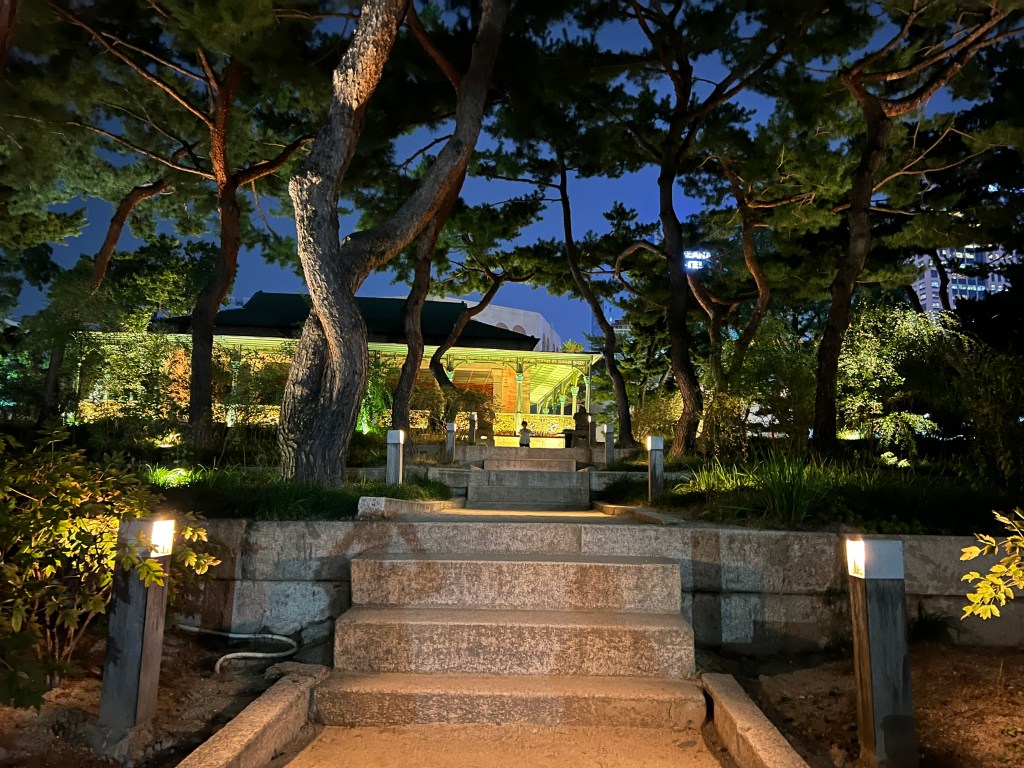
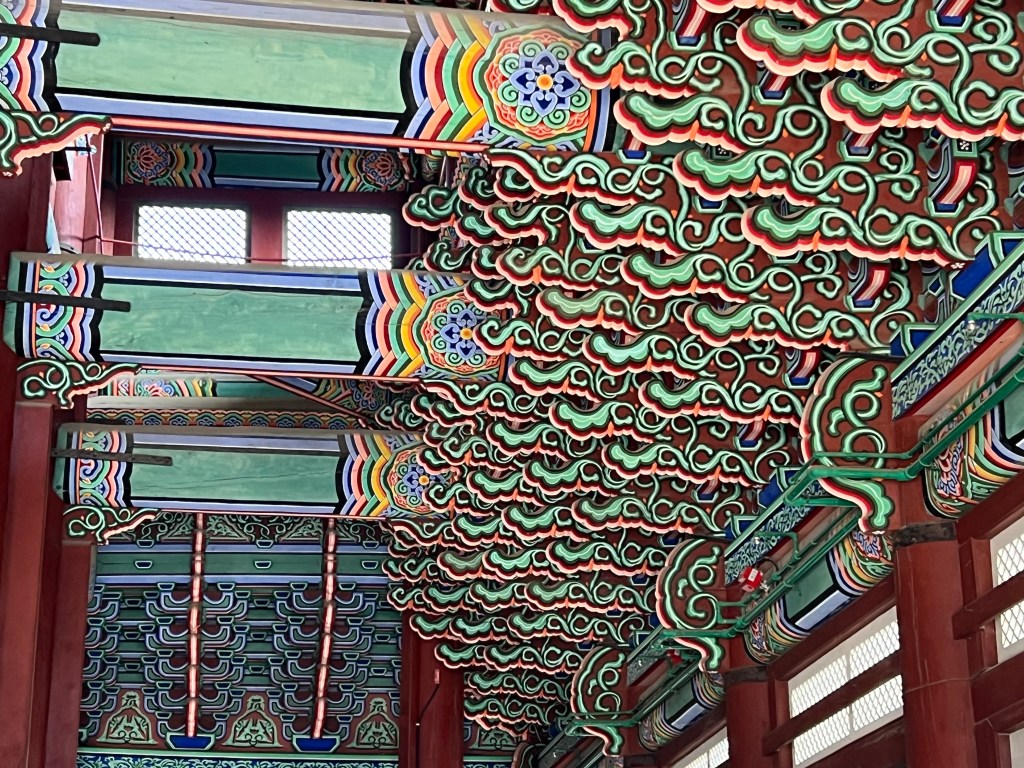
We got to our hotel Thursday just as the sun was setting, and after a quick shower, we headed out into the balmy evening to see the lights of the busy Gyeonghwamun district and the beautiful Deoksugung palace, with its beautiful, brightly painted gates and pavilions lit up in the night. Young people in traditional hanbok posed for photos, and families strolled in the cooling evening air, with the sweeping up-curving tile roofs of the pavilions set against a backdrop of tall modern buildings and neon billboards of the surrounding city. It was magical. The city has a mellow vibe, people on the streets don’t seem too busy, too much in a hurry. They hold hands and walk and laugh, or gather in clusters outside restaurants smoking cigarettes. And laughing. There is a culture of cafe hopping, as well as of bar hopping. We had dinner at a fried chicken and beer joint – a thing here – at the one free outside table – while a group of what looked like work colleagues drank and laughed and caroused just inside. It looked like no work-related party I had ever seen – they were doubled over in laughter.
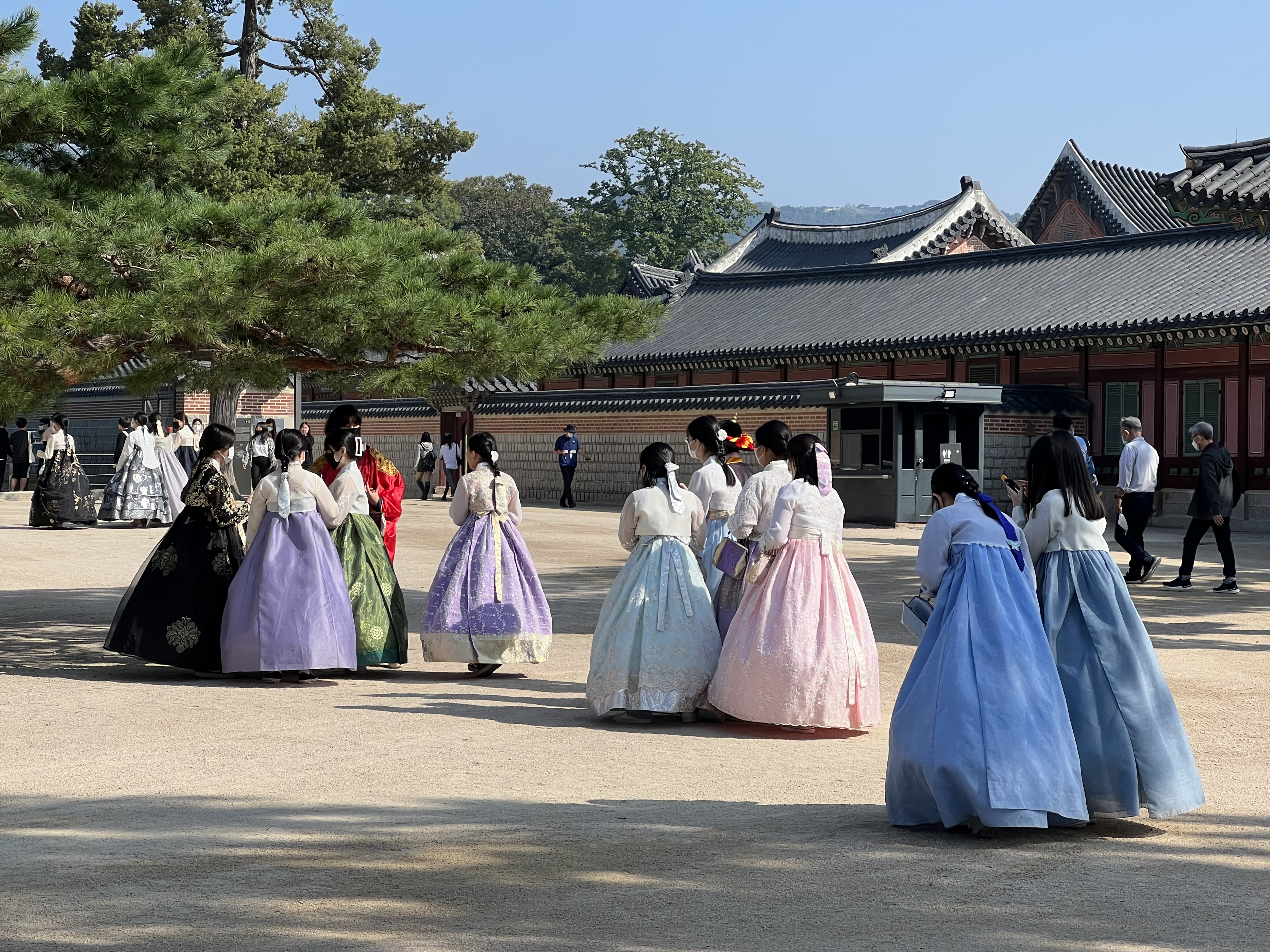
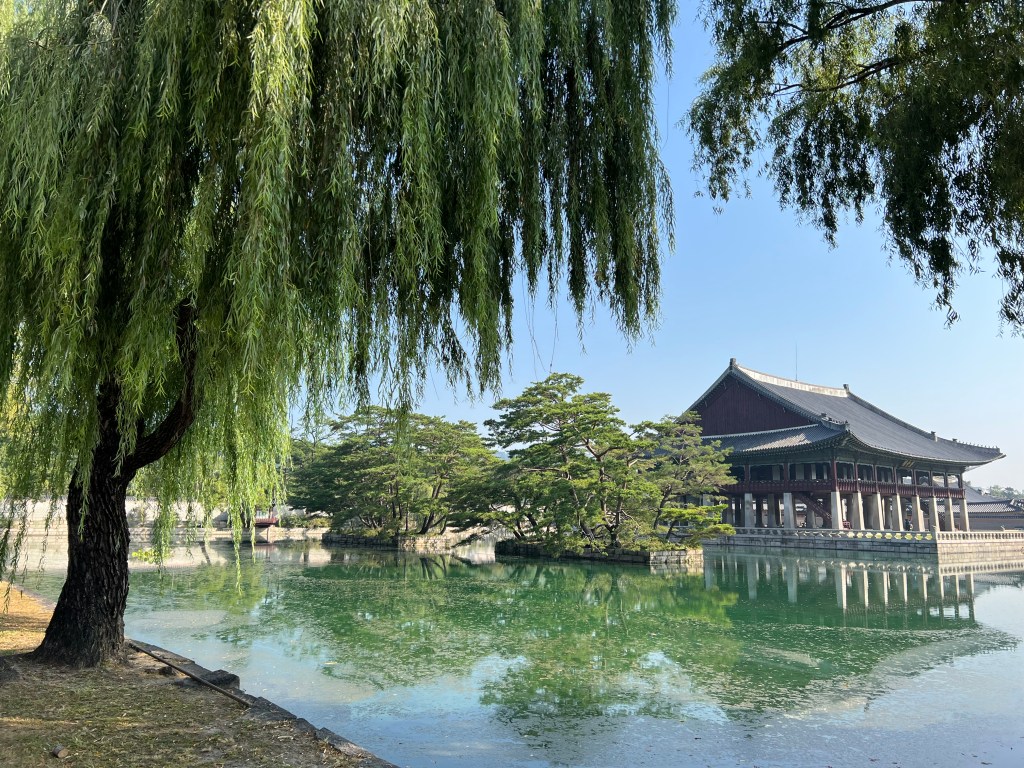
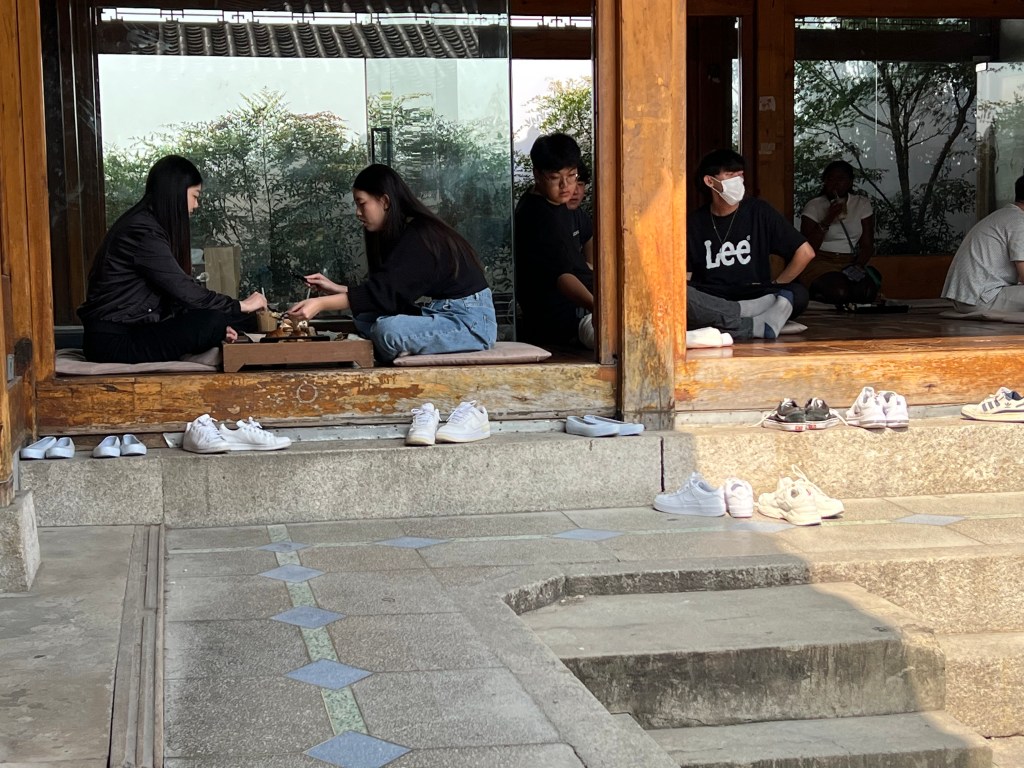
Today, our first full day in Korea, was a perfect day. We started in the cool morning air to explore the nearby palace of Gyeongbokgung, which dates back to the 14th century but was destroyed several times by the Japanese in the late 16th century and again in the 20th century during colonization. The buildings have been restored and the extensive grounds, while modestly landscaped, were beautiful and relaxing, especially with the backdrop of mountains just behind. Will called to talk while we were there, and it was so wonderful to stand in the shade of a gingko tree and talk, while groups of young people wearing traditional Korean clothing, snapping selfies and laughing, wandered past. We then ourselves wandered the galleries and very hilly streets of nearby Samcheong-dong, and found a quiet cafe with outdoor tables I had found online. (It’s such a miracle when your plans actually work out.) We wandered more and then had lunch in the courtyard of an old hanbok that had been turned into a bakery of sorts – another Google search find. My next Google search find didn’t turn out so well – the definition of a snipe hunt. After sitting out the heat of the afternoon in our hotel, we took a cab to a much-hyped night market along the Han river, which divides main Seoul in the north from Gangnam, the wealthy district of Psy’s famous K-pop hit Gangnam Style, south of the river. We consulted multiple websites, and even got the hotel concierge to confirm the super hip and groovy night food market was really happening. Well a 30-minute cab ride and a tromp up and down the river later, we found the folded up tents of the market, all locked up together. We will never know why it wasn’t held when it was supposed to be. But whatever! It was a lovely sunset along the river, and dozens and dozens of people had pitched picnic blankets or little half-tents to stay out of the sun and eat snacks and food and watch the sunset. It was like Central Park on a very busy summer weekend. We managed to snag a cab back to Namdaemun, a famous market area which we knew had a lot of street food. But as it is when you are in a big city, we found street food but are not sure still whether we found the Namdaemun food street. Whatever! We bought some mung-bean pancakes, kimchi dumplings and vegetable kimbap (seaweed wrapped around vegetables) and walked back to the hotel, where we ate our street food in the cool of our room. Rick is snoring now, though he is supposed to edit this post before bed. We have to get up at 5 a.m. for our DMZ tour – apparently the crowds were so bad there today that the tour group is making us meet in the lobby at 6 a.m. Arg! Stay tuned…
 The Thompson Attigs