COPENHAGEN–So we woke up Sunday morning, early again, after only four or five hours of sleep. Courtenay tried to persuade me to go running, and only later, long after I vetoed the idea because of the cold and fog outside, and went back to sleep, did I realize that she meant running in the hotel gym on treadmills. Anyway, we didn’t run anywhere.
We did, however, end up walking a long way. We finished breakfast and hit the road well before 9 a.m., which turned out to be a mistake. Our morning destination, Rosenborg Castle, didn’t open until 10. We wandered the chilly streets to the northeast of our hotel, through the empty square in the center of the Amalienborg Palace, where we had the place to ourselves except for a half dozen of the Queen’s guards, made up in ceremonial garb, and a small group of Thai tourists. We also went by the great dome of Frederik’s Church, also known as the Marble Church, for its rococo architecture.
We were trying to kill time, but the time was killing us. It seemed like we’d walk and walk, check our phones, and discover that only a few minutes had passed. We walked through the gardens of Rosenborg Castle, which are supposed to be one of Copenhagen’s most visited places, occupied by some three million or so Danes a year, but not, it seems, in late winter at 9 the morning on a Sunday. We were out there with three or four shivering dog walkers. No Labradors, either.
Anyway, by now it was still only 9:10 or something like that, the clock just wouldn’t move. We walked around and past the castle to the Geology Museum, which seemed too bleak and boring to enter, even if it was open. We went on to the Botanical Garden, which sounded good, but again, it turns out that any kind of outside garden isn’t all that amazing in a Northern European country in March. There were signs marking all kinds of great plants and flowers that will make their appearances months after we go home. There were warm-looking greenhouses full of plants at the perimeter of the Botanical Garden, but they weren’t open to the public. It seemed wrong to break in and try to warm up.
So we went back to Rosenborg Castle and waited with a tour bus or two that emptied out some more Thai tourists. Eventually we got to go into the castle, which was beautiful on the outside, and garishly furnished and decked out in the inside. We saw some crown jewels, some weapons, some tapestries, a lot of pretty ugly furniture, and hit the road again, this time for the nearby Danish National Art Museum.
It didn’t open until 11. It was 10:50 or so by this time, and we stood in front watching Danish kids rumble around in their obligatory snow suits, which are always too big, and often kind of dirty and scruffy.
Standing there after two hours in the cold, I only wished they had my size.
The art museum was truly impressive. It was loaded with the best of Danish and Northern European art dating back to before the 1600s. There were also works by great Italian and French artists. It wasn’t crowded, the art was amazing, and we had a really nice time.
Afterwards, we wandered to a well-known local deli called Aaaman’s, and had some more cold smorrebrod, the open-faced sandwiches that Copenhagen in known for.
Then, more walking. Past the lakes that form a loose belt around the central city of Copenhagen, part of a former ramparts that protected the city. And then into the Norrebro neighborhood, where there was a street sale going on, sort of an Albany-style “Crazy Days,” with mostly used junk, including little kids sitting on the sidewalk selling their used toys.
As the fog burned away and the sun came out, we walked to Assistens Cemetery, a huge urban cemetery where famous people such as Hans Christian Anderson and Soren Kierkegaard are buried. The cemetery was both burial place and public park, and was full of hundreds of people out with their families, pushing strollers, enjoying the Sunday. We’d never seen a happier, more joyful cemetery.
We walked some more before bravely catching a bus and coming back to the hotel. I slept for an hour or so before dinner. Courtenay went to a nearby grocery store. We had a very nice dinner at Geist, a well known Copenhagen place, and now, at only 9 p.m., Courtenay has fallen asleep next to me as I write this. This long, slow Sunday is finally over.




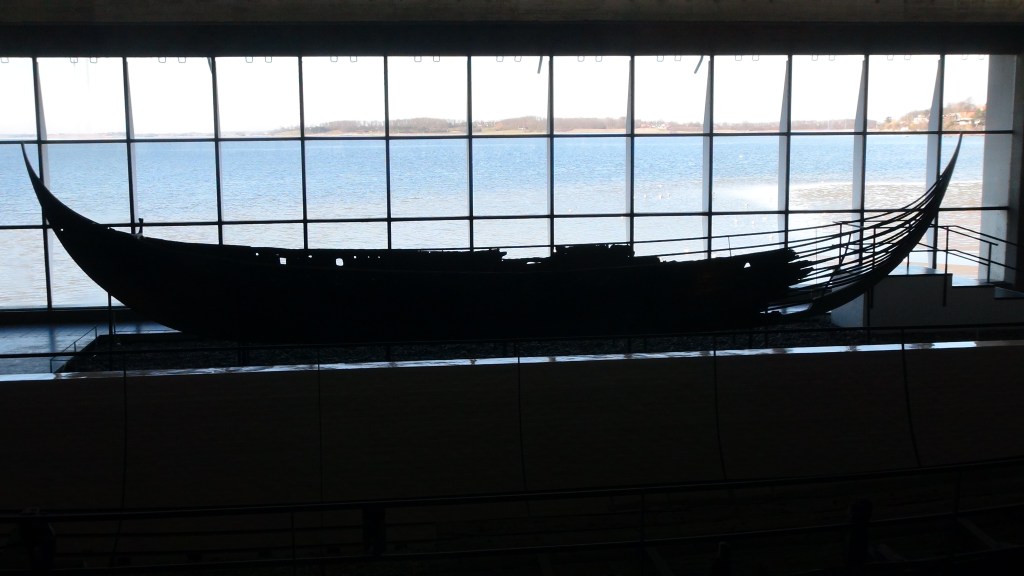
 Museum, where they have the remarkable remains of six original Viking ships. The Vikings apparently had deliberately scuttled these ships in an effort to block one of the access points to the harbor, and keep invaders out. The Viking Ship Museum is in an uninspiring concrete bunker,but the restored ships, with their scarred wood, were amazing. Outside the museum was a row of seagoing replica ships, built to the actual dimensions of the originals, constructed all by hand, just like the Vikings. A crew had sailed the largest of the ships, a long narrow battleship, all the way to Ireland. On our visit, that ship was up on blocks in the winter grass, a lone man sanding on its stern.
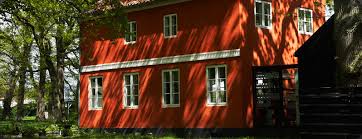 Last night we had one of our most memorable dinners ever, traveling twenty minutes or so north of Copenhagen to Den Rode Cottage, a tiny restaurant of eight tables or so situated in a dark forest of trees. We were there almost three hours, eating small, perfectly prepared dishes and watching the lights of fishing boats move slowly across the sound.

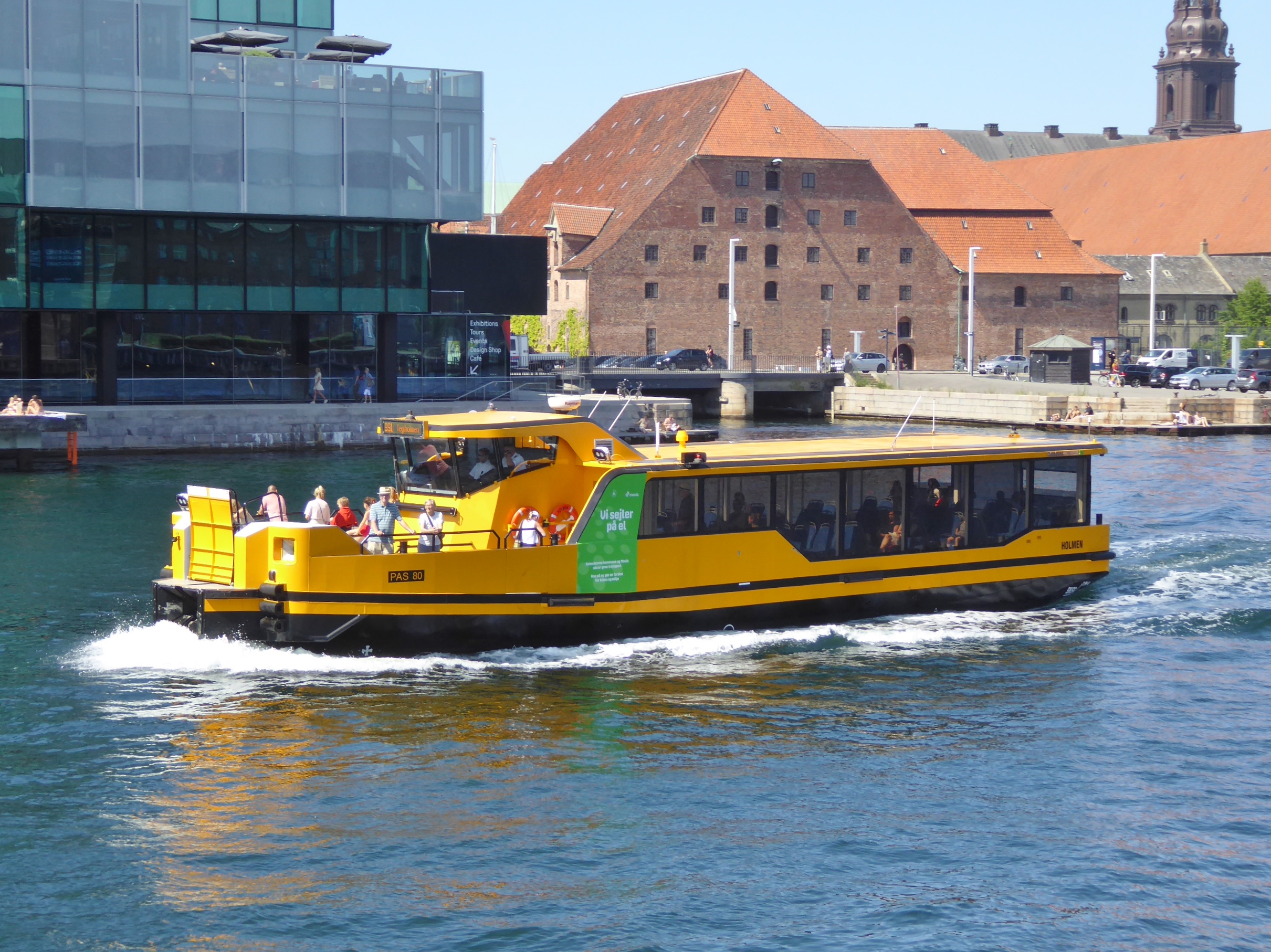
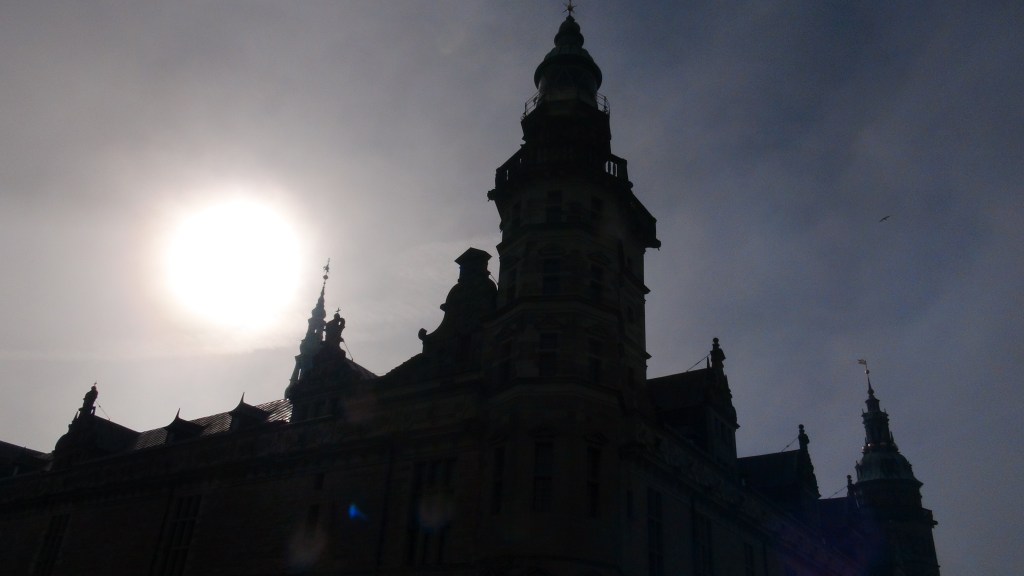
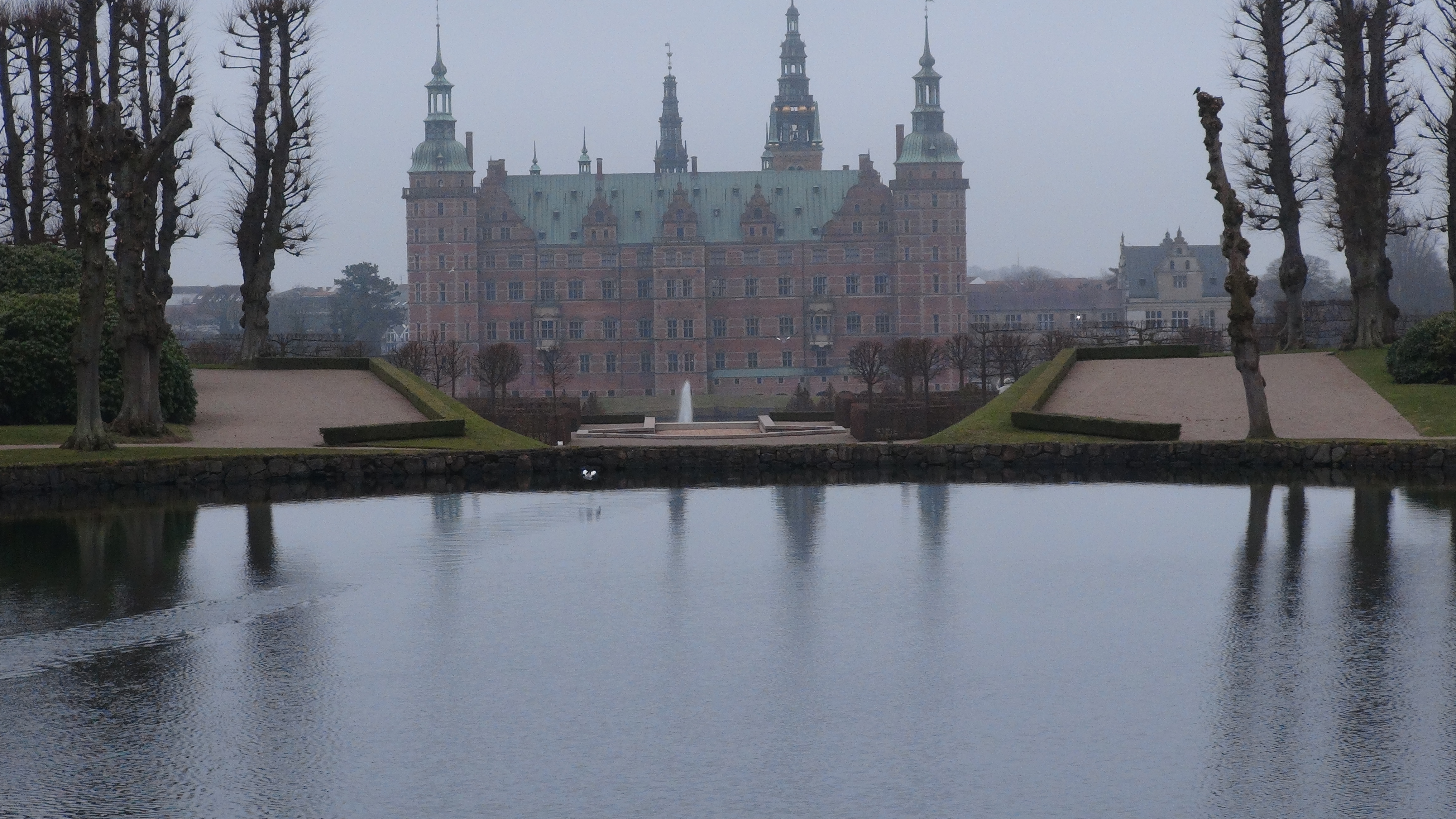 Well, we decided to hurtle off to the Fredericksborg Castle instead, on a super convenient commuter train (which left on its one-hour trip north every TEN MINUTES!) Lordy, the street car in Portland doesn’t even come every 20 minutes, what is it about once an hour now? We sat in a QUIET CAR (loving the caps today, sorry) — yes, a section of the train that had a sealed door so that no one inside could TALK ON THEIR CELL PHONE, or sing along with their iPod, or mutter to themselves, or carry on an inane conversation in the seat next door. It was pure silent bliss as we sped northwest to the fantastisk (favorite Danish word of the day) 16th-17th century Renaissance castle built by our favorite new King, Christian IV. This party animal, who rocked the English court of King James I in the early 17th century with his wild drinking and fantastisk Danish ships, built some of the most memorable landmarks in Denmark, including the Rosenborg Castle we visited yesterday that so impressed Rick with its boring furniture. I think that was the adjective he used. Anyhow, this picturesque, copper-turreted brick castle, set on a lake with the view of a lovely Baroque garden across the water, contains the national picture gallery, with a wonderful tour through Danish history as you walked through its ornately decorated rooms. Christian IV was larger than life, portly, and wore a signature rat-tail braid straggling down from behind his left ear. So Portlandia. He ruled at the height of Danish power, apparently spent most of their money, and it was all downhill from there. Well, I exaggerate, but it’s late and I’m tired and I want to get up early again tomorrow to watch the bike commuters.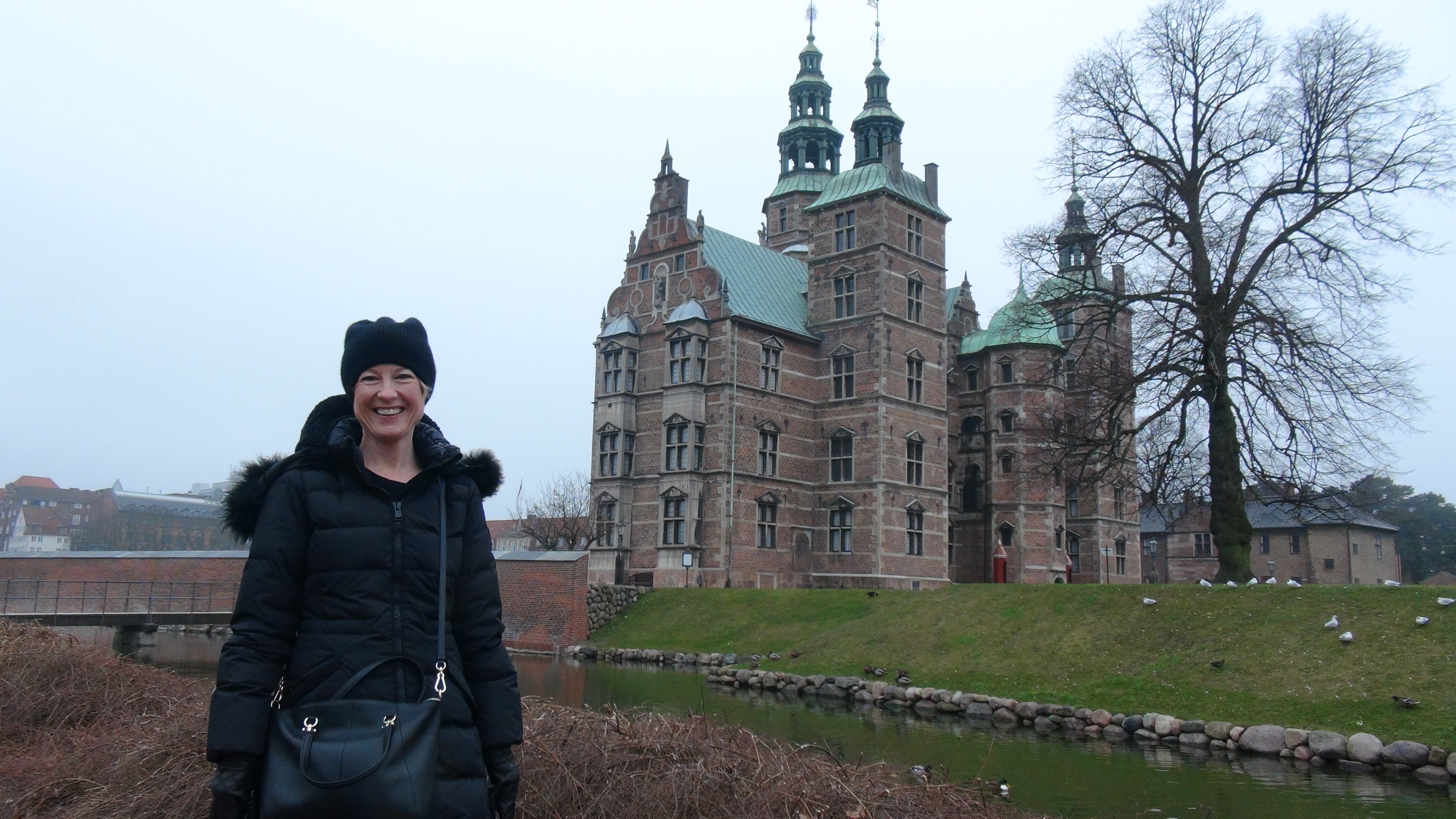

 The Thompson Attigs