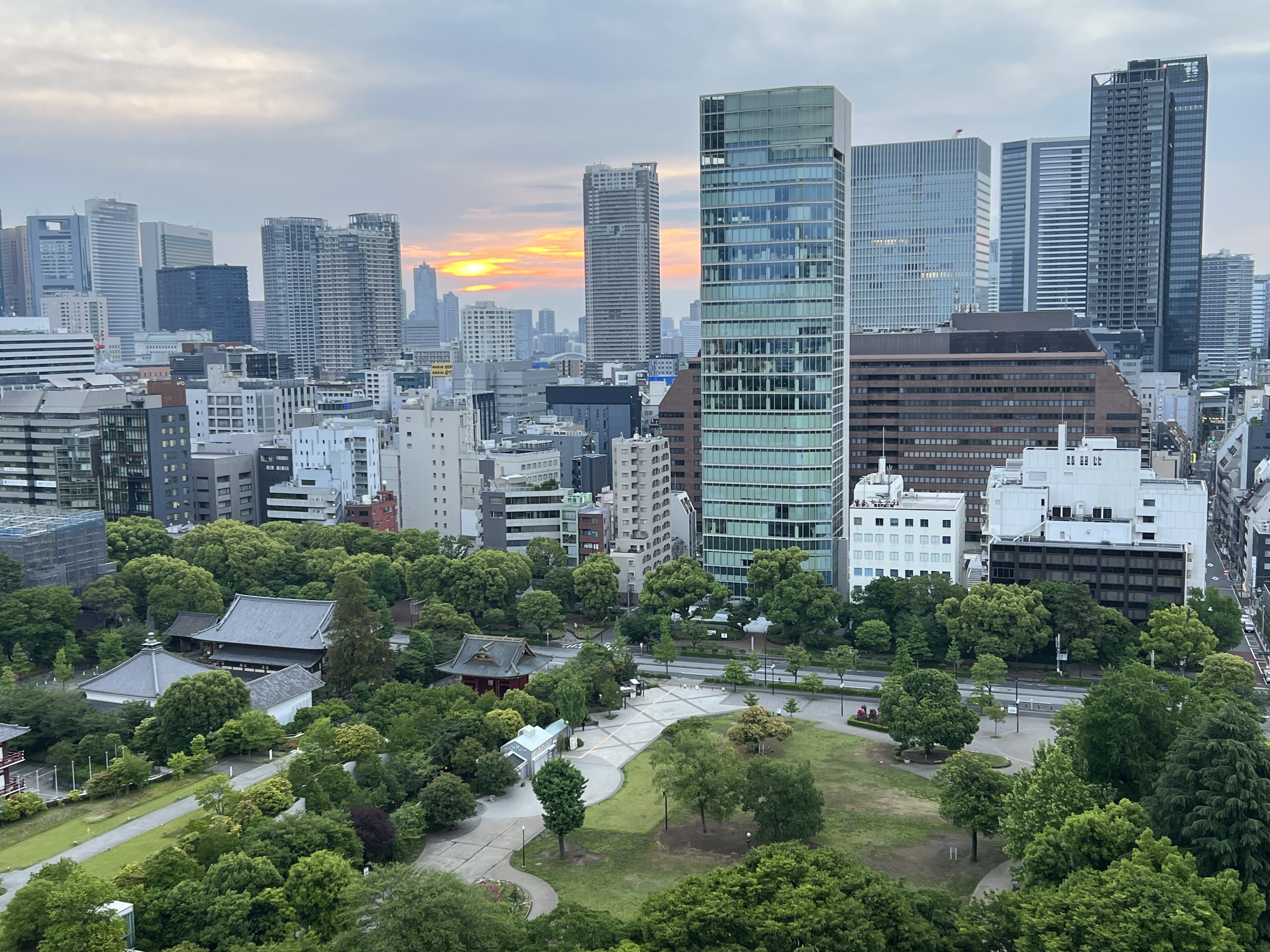
FRIDAY, MAY 16, TOKYO — We both woke up around 4 this morning, our confused internal clocks simultaneously agreeing that we’ve had enough sleep. On these long spring days in the East, it was already first light when we opened the curtains. The photo above was taken from our 22nd-floor room at the Prince Park Tower Hotel, and looks out over a small slice of the Tokyo skyline, and in the foreground, the Shibakoen area, including the grounds of the Zojoji Temple, with a wooden gate dating back to 1622, the oldest wooden structure in Tokyo.
We had a good, on-time flight here, and both of us even managed to sleep several hours on the plane. Courtenay has spent months planning this trip, and we’re both so excited to be back in Japan.
After we sped through Japanese passport control and cabbed to our hotel, we took a short walk around the Shibakoen, we saw the Toshugu Shrine, and inside Zojoji, got a lucky peek at a beautiful statue of a black Buddha, which was Tokugawa Ieyasu’s favorite, and only displayed to the public three days a year. We also walked past a 4th century keyhole tomb and a shell mound dating to the Jomon period (14,000 BC to 300 BC). We finished our arrival day by over-ordering on a yakitori dinner (chicken and vegetable skewers) in the basement of our hotel), and waddling back to our room.
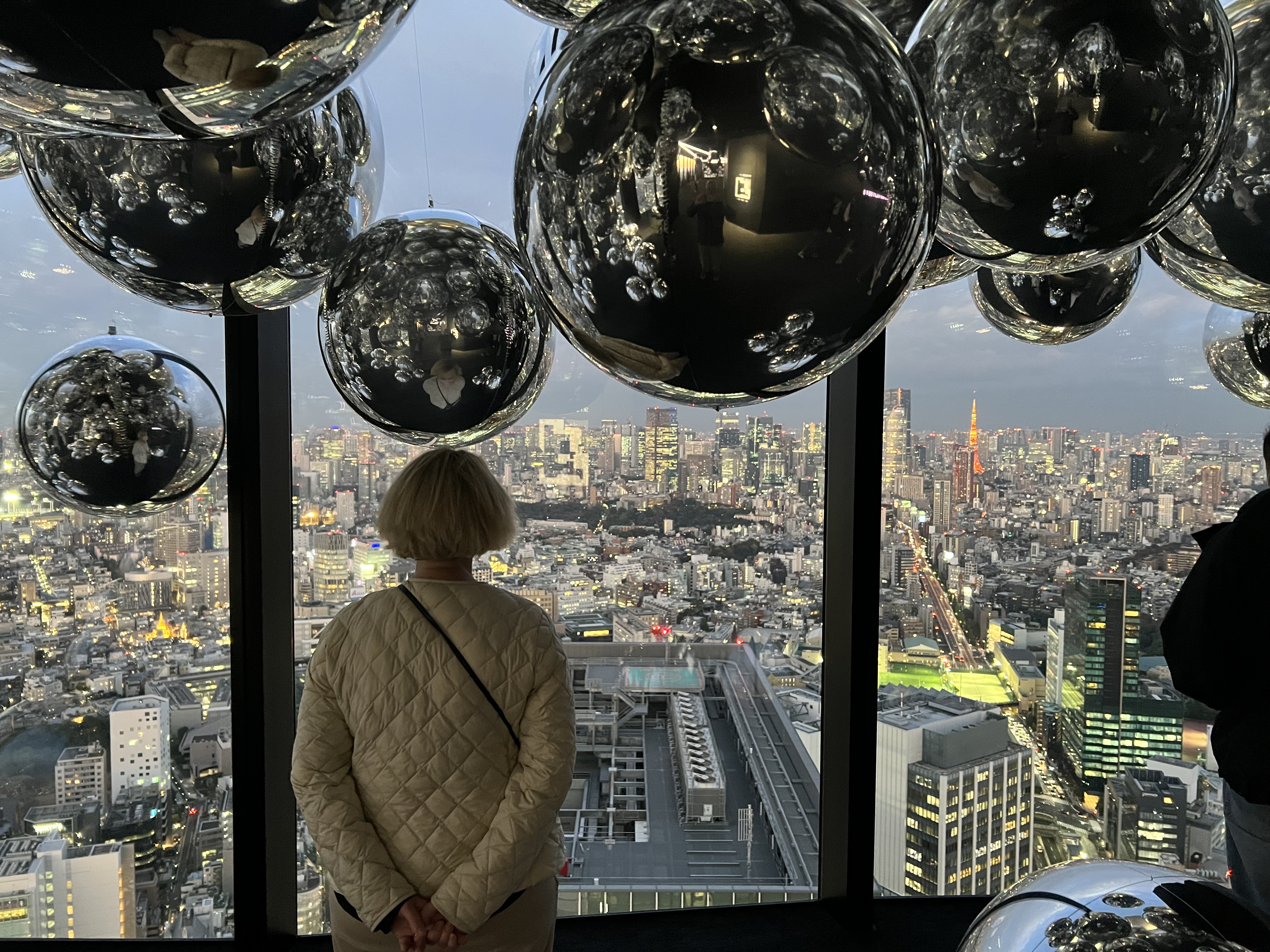
We have a big day planned today, starting with a trip to the TeamLab Borderless art installation, which is just a 15-minute walk away, followed by a visit to a Japanese woodblock print museum, a soba lunch, and then our long-awaited first-ever sumo wrestling competition. We’ve already started our first day in Japan by watching the wrestling highlights from last night’s sumo bouts. At home, we watched all the reruns from the March tournament and have our favorite wrestlers. We’re so ready for tonight’s action!
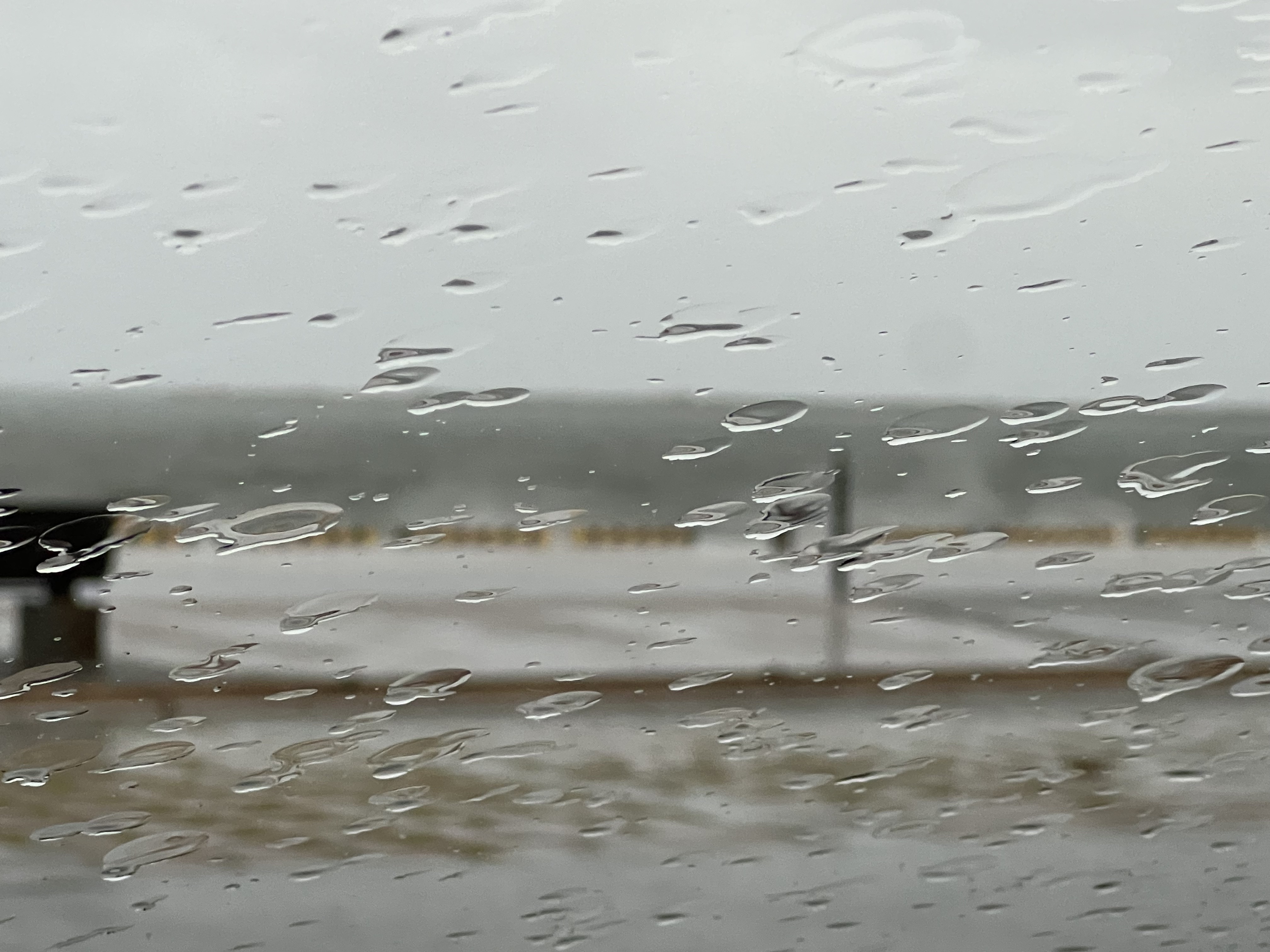
Kuroshima-machi, Wajima, Noto Peninsula, Japan, Nov. 12, 2023 – It is a chilly, rainy morning, and we are sitting in front of space heaters in an atmospheric 100-year-old sea captain’s house a block away from where the Sea of Japan is crashing ashore. The house has been lovingly restored, with its lacquered floors, tatami mat rooms, carefully curated furniture from Italian and German designers, even a Buddhist altar where the captain’s family must have worshipped. Each detail – salvaged calligraphy on a wall, beautiful reed shoji dividing the rooms, huge open wooden beams with modern touches like a slipper tub – feels like we are inside a living piece of art. We are moving slowly today, lingering over breakfast and laundry, unusual, for us, to be in no particular hurry.
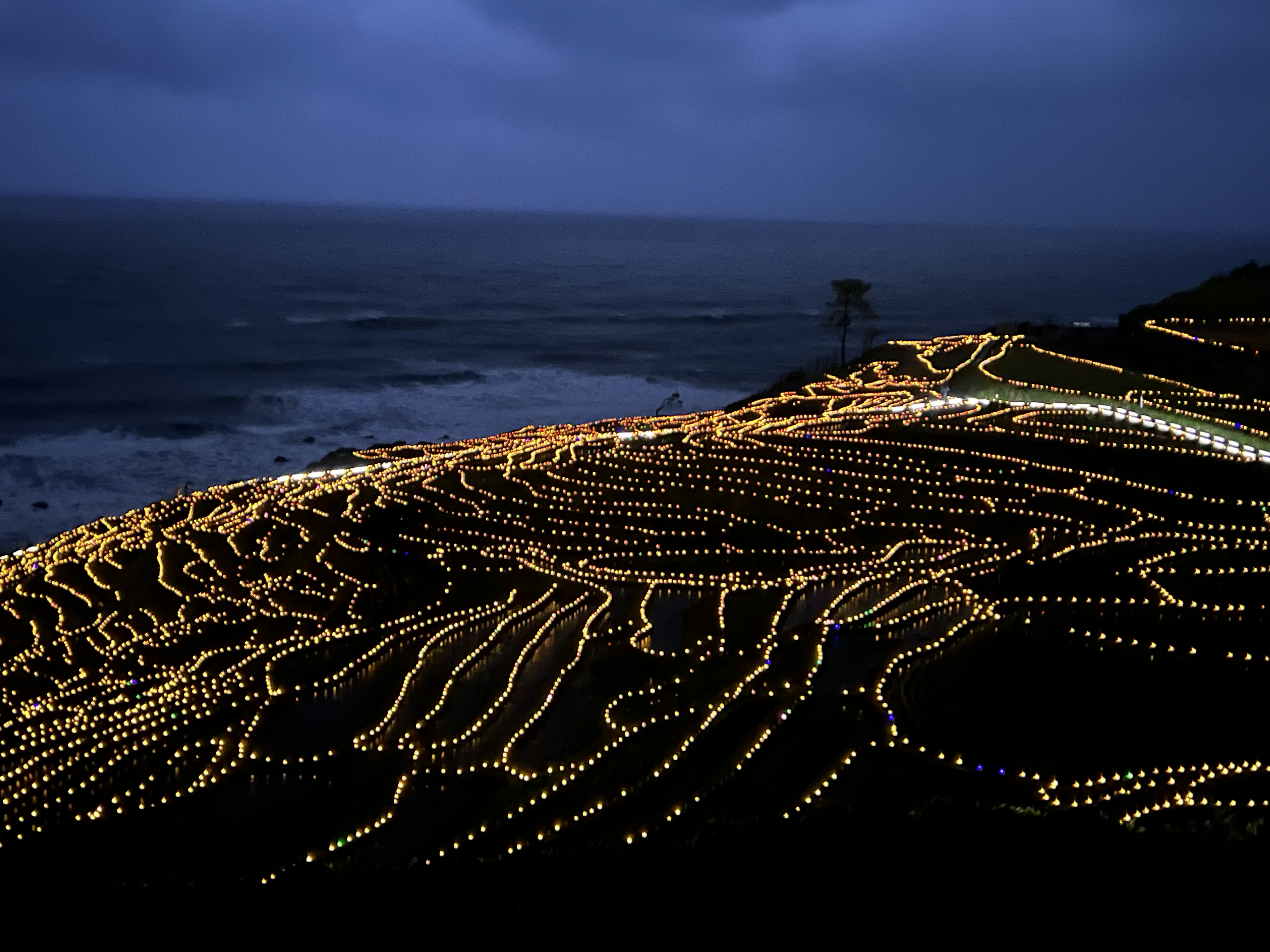
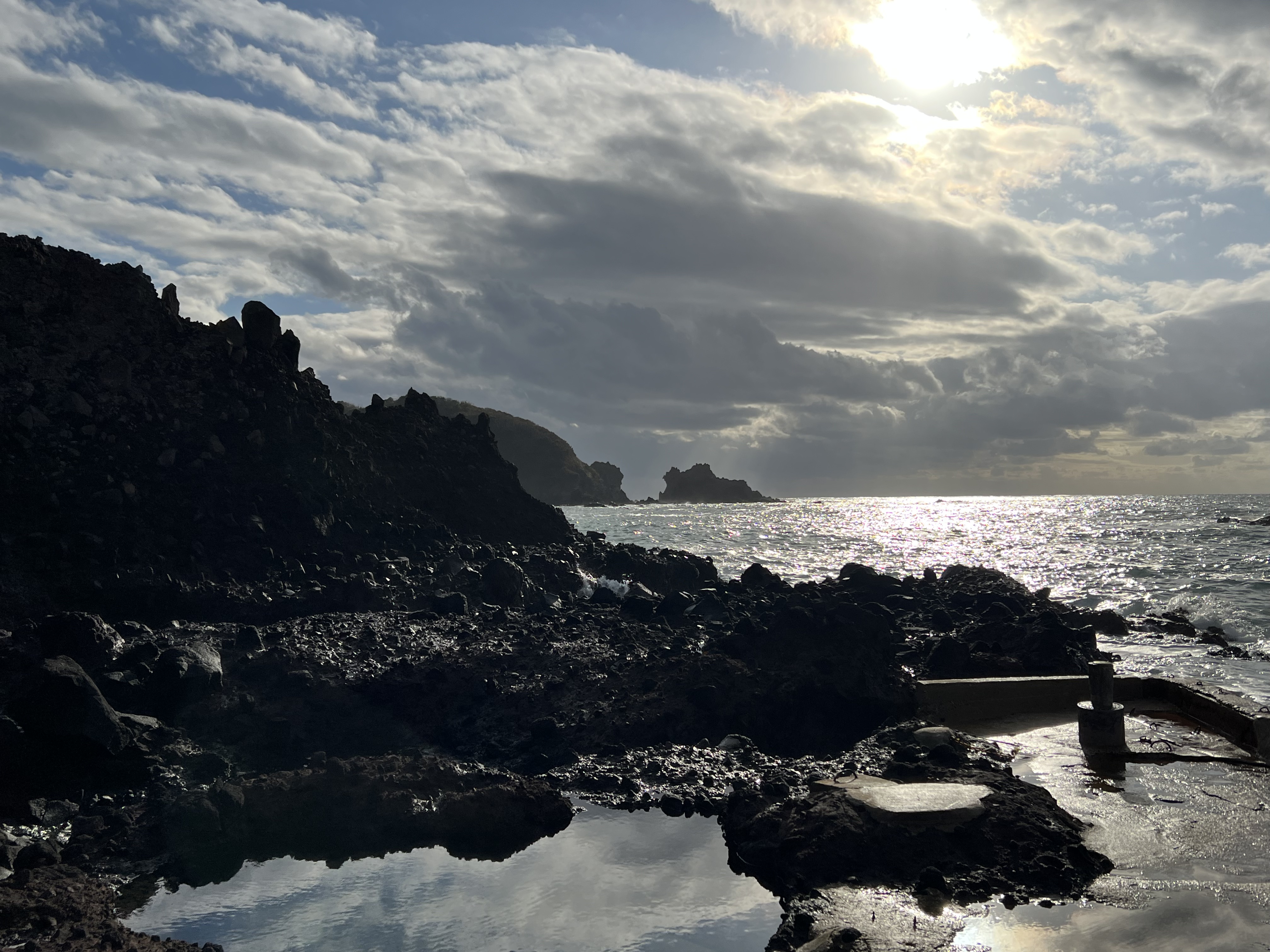
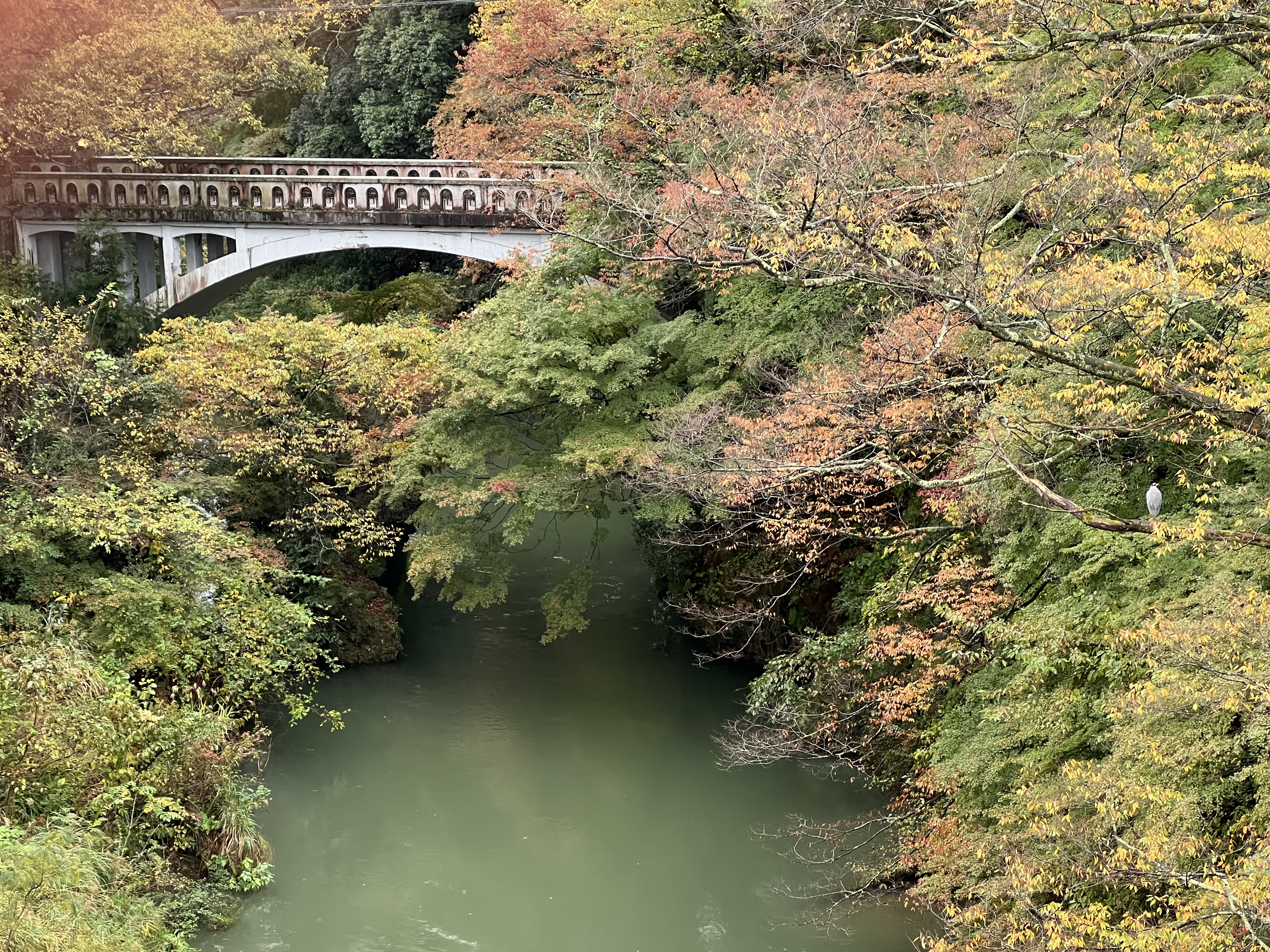
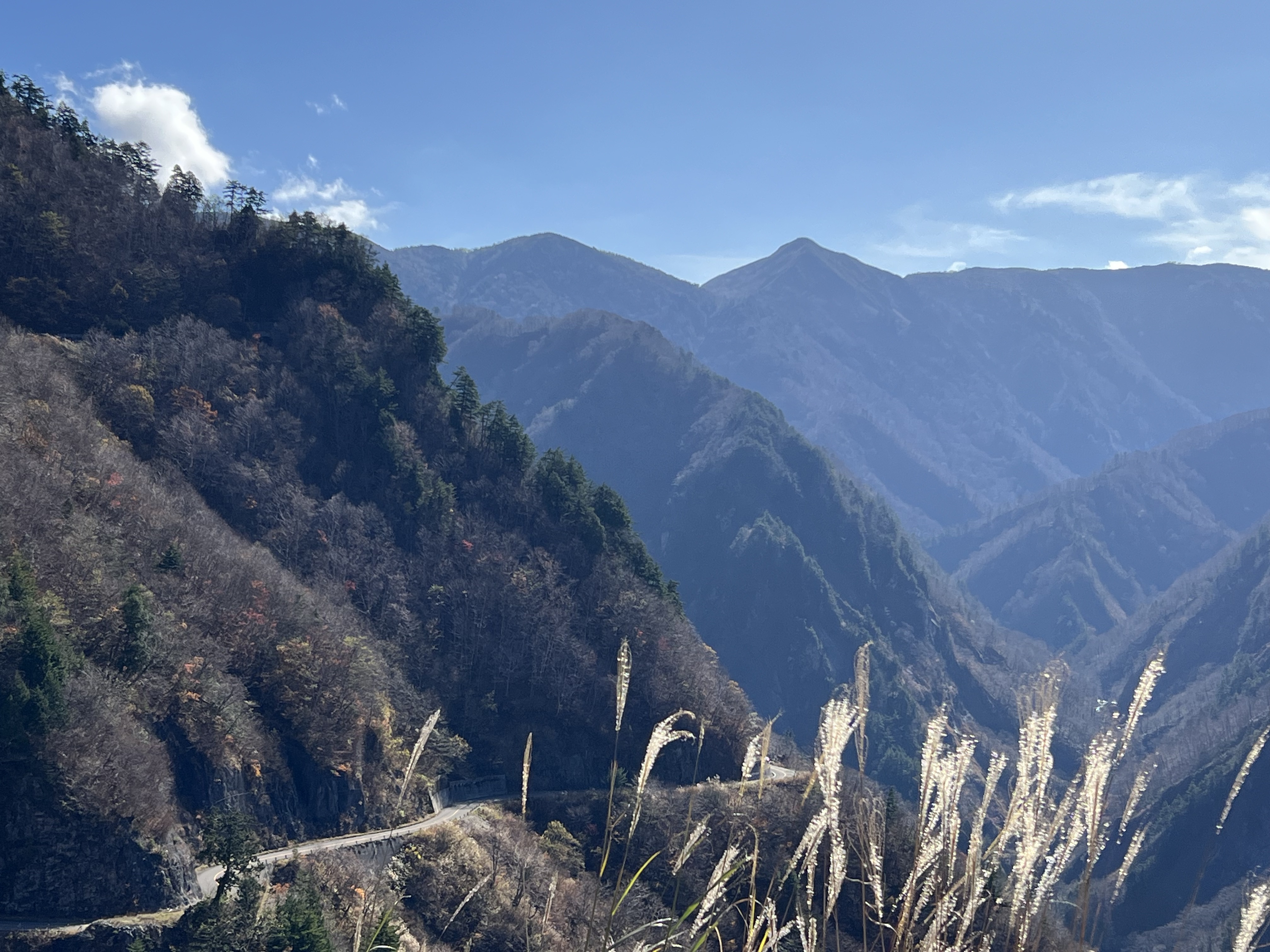
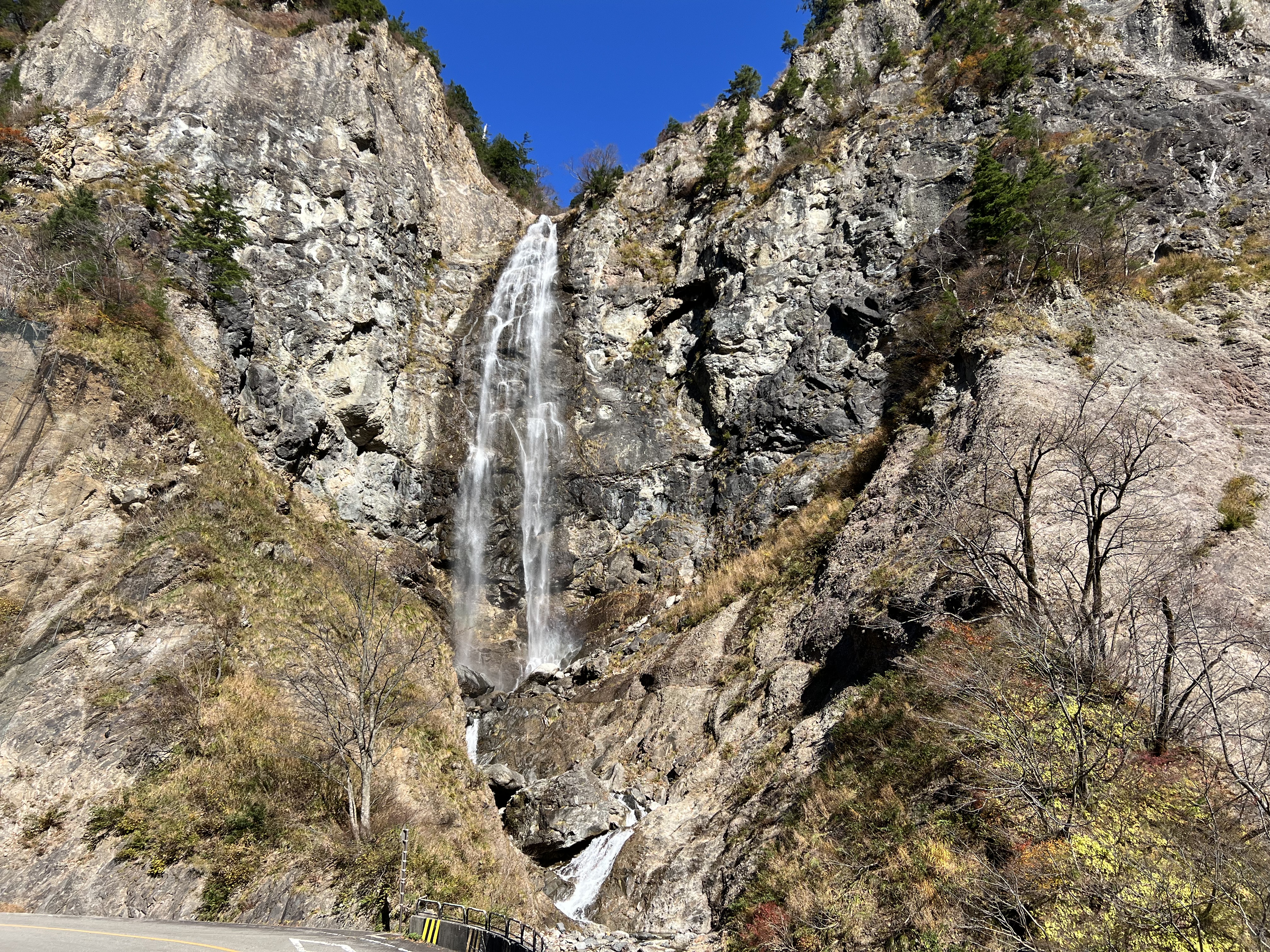
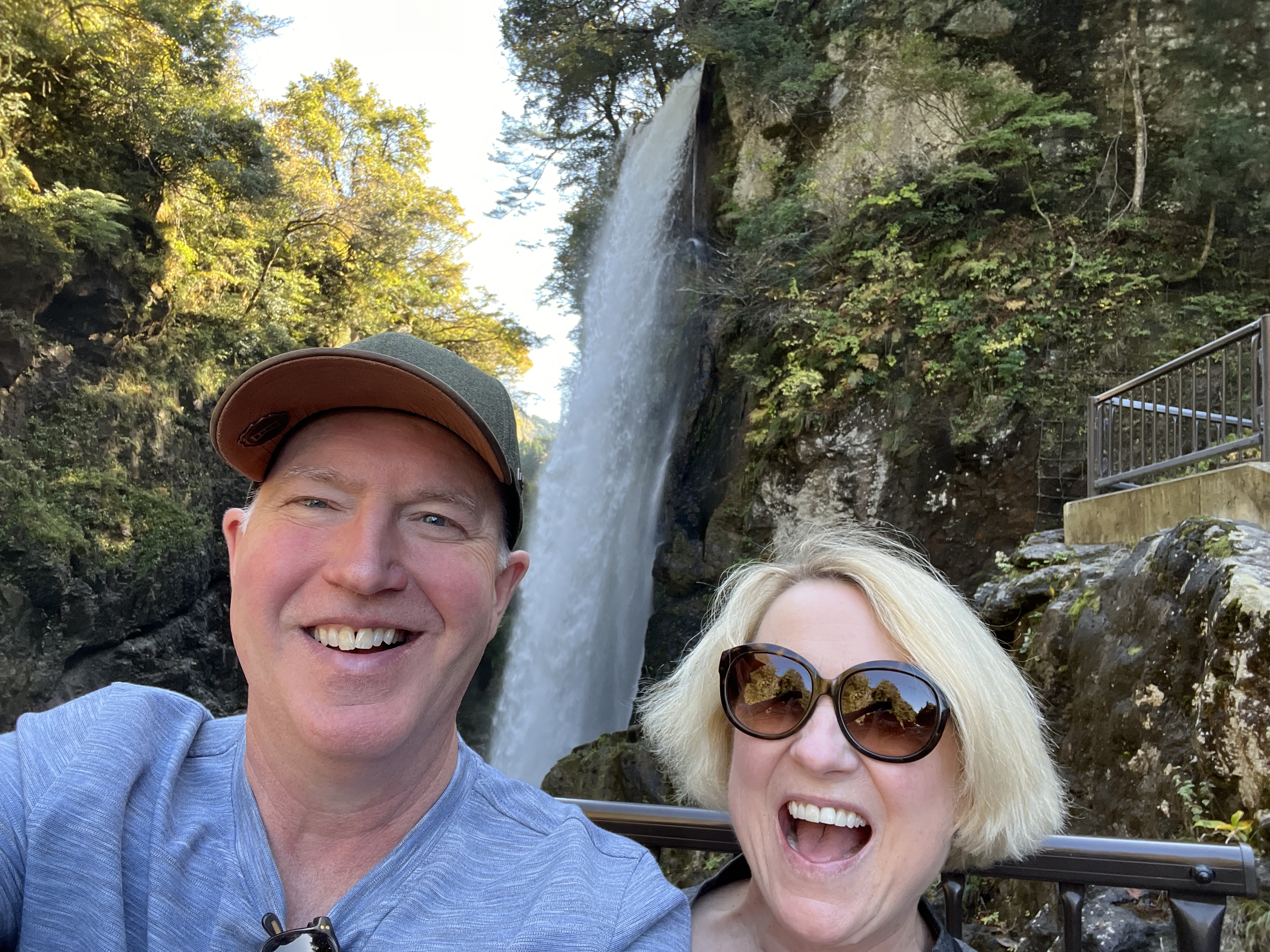
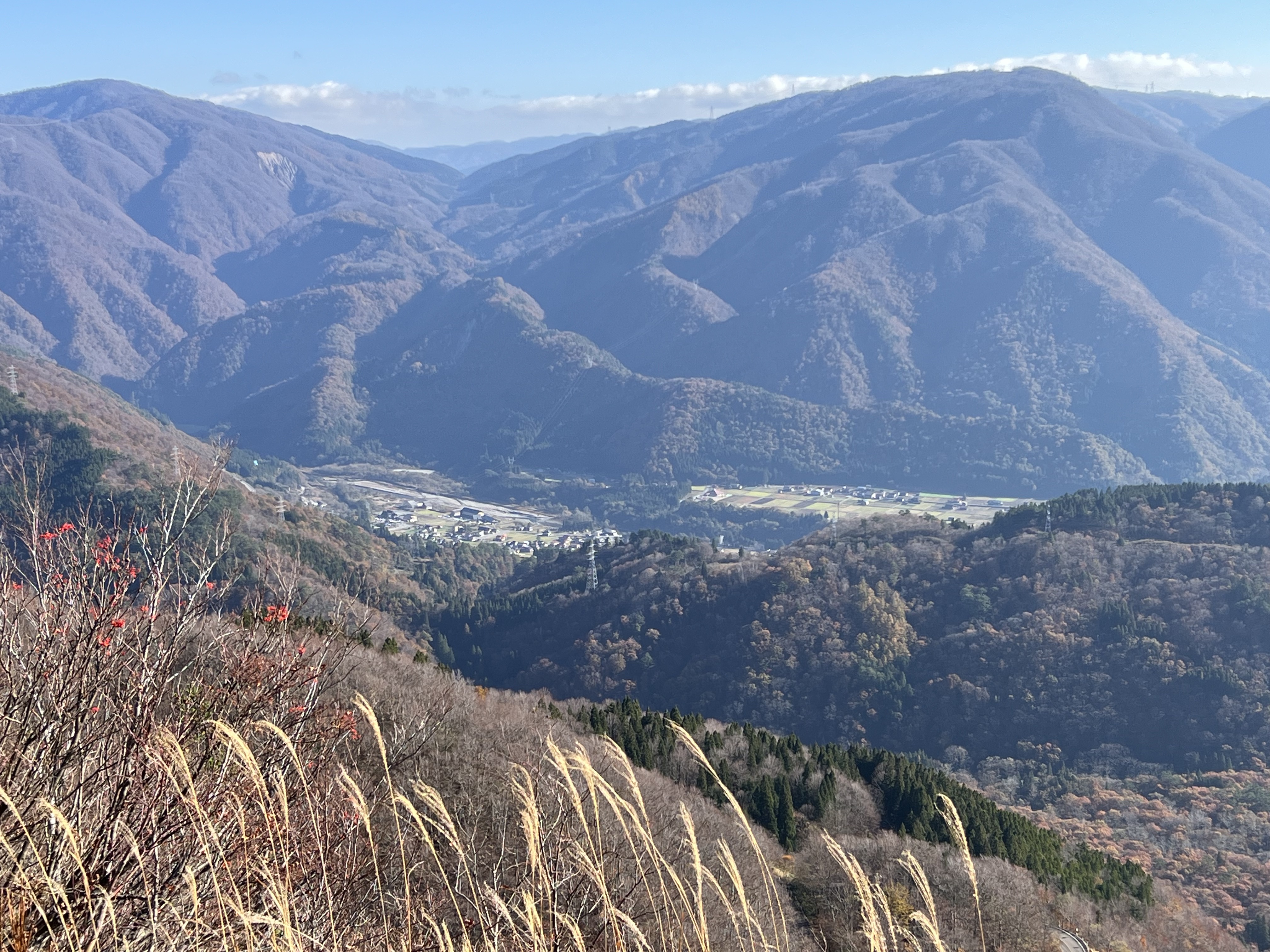
We have seen so much in recent days: sacred towering mountains, plunging waterfalls, and vast swaths of beech forests along the serpentine White Road leading from the iconic straw-roofed homes of Shirakawa-Go to the plunging Tedori Gorge, near where some fierce Buddhist warriors once made their last stand. We stayed at the beautiful Ryokan Kayotei in Yamanaka, part of the historic Kagan Onsen area, overlooking the gushing river in the Kakusenkei Gorge, where the 17th century haiku poet Basho lingered eight days. We, too, were reluctant to leave. But as we drove north, still anxious about driving in the left lane, we skirted the coast on the Sea of Japan, the spray of the waves crashing into the rocky shoreline of the Noto Peninsula that reminded us of our own Oregon Coast.
And yet, what we will remember most from the past few days is not what we have seen, but what we have shared, what we have heard, what we have eaten, what we have learned, from the people who have welcomed us into their homes, cared for us, prepared our meals, and made the beautiful lacquerware and other crafts we have seen.
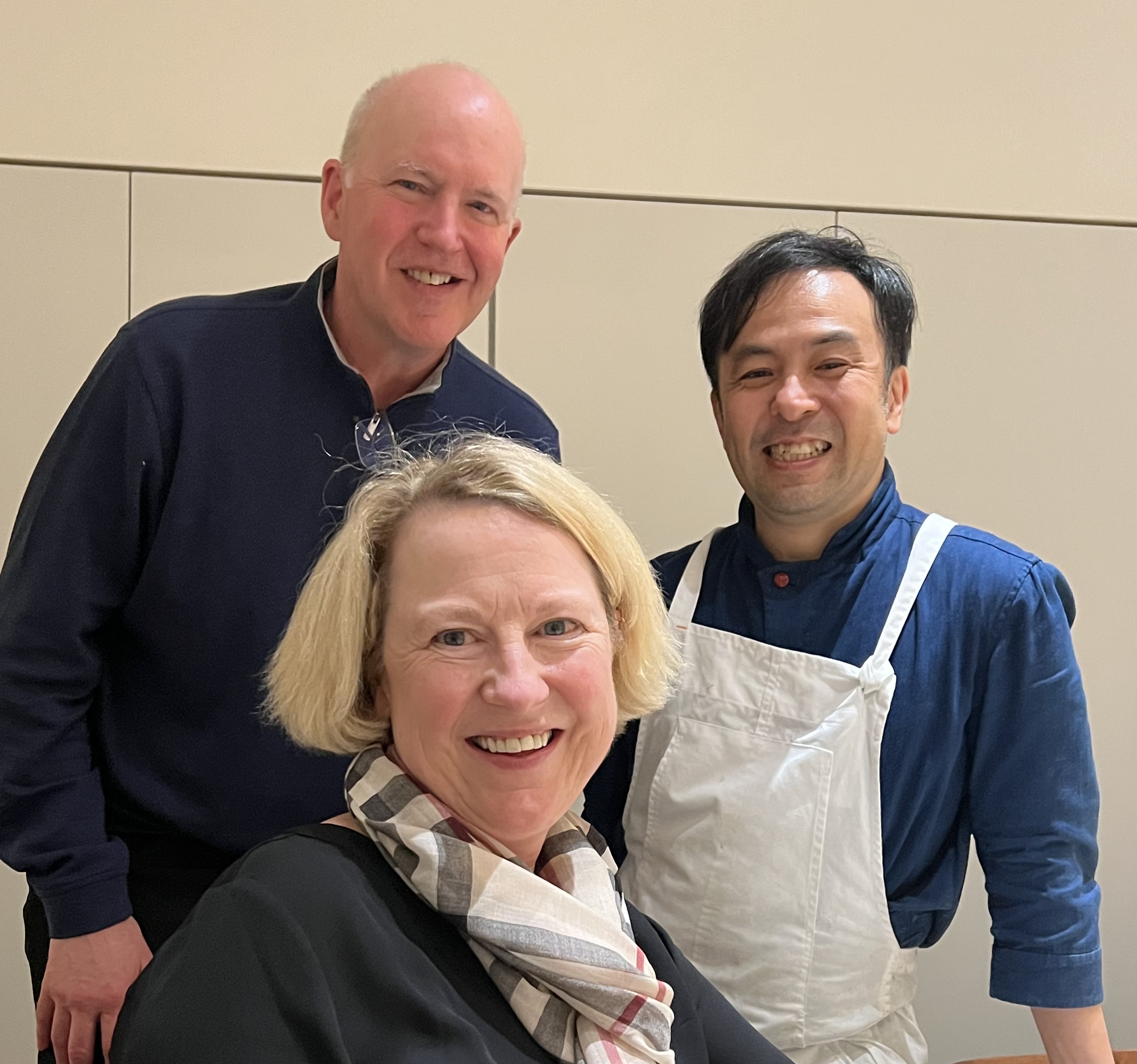
Last night we dined with a friendly, engaging couple who had made the long trip from Tokyo, for one night only, to share a meal created by Chef Yutaka Kitazaki in an intimate, six-seat restaurant in a carefully remodeled house high in the thick forests outside of the village. They graciously helped with translation, and background on the extraordinary experience we had just stumbled into. The house itself was a work of art, the serving ware was lacquer from the house’s owner, artist Akito Akagi, friend and business partner of the chef. Our AirBnB host, who is working to create a kind of artists’ community here in Wajima, recommended this still relatively unknown auberge, Somamichi. Our host and his wife are working to support artists, artisans, chefs and others who have returned to the rural Noto Peninsula, where culture and traditions run deep. Our chef, trained as a kaiseki chef in Kyoto and who has headed critically acclaimed restaurants in nearby Niigata, opened Somamichi this summer. Though he is not from here, his grandmother is, so it’s a return to home in a sense.
It seems like everyone we have met at the remote Noto Peninsula took a long, winding road to get here. Kitazawa-san did not plan to become a chef. Like our son Will, he studied liberal arts in college before becoming a chef. In a thoughtful essay for his university, he wrote that he loved the interdisciplinary approach, and has even commented on how his reading of Shakespeare, and its fluid meanings over time, hinted at a world that is hidden from sight unless one makes an extra effort to see it. We did not meet Akagi-san, but we read that he, too, started elsewhere, as an editor in Tokyo, before turning to lacquer as a way to find meaning in his life. He and his family moved to Wajima so he could apprentice – he now has his own studio and his work is featured internationally. As Will finds his own path in life, we loved to find that our renowned chef was also someone who loves the liberal arts.
Kitazaki-san wrote: “I’ve become more and more conscious of the way I’ve been shaped by my liberal arts education. Every so often I’m struck anew by how the things I learned, just by following my own curiosity and interests, coalesced inside me and formed the basis of who I am. It has had a huge influence on my thinking as a chef. Nowadays, it seems to me, it’s not enough for a chef to be able to cook. At one time, any chef who had trained overseas was assumed to know more than everyone else, but information access is so advanced nowadays that our customers are often more knowledgeable than we are. That being the case, it seems to me that the important thing is to have a range of interests, to express one’s viewpoint on a plate, and to be able to talk about it with customers – the invisible aspects included. Of course, cooking is a profession predicated on technique, and one has to kep refining one’s skills. But once you can cook at a certain level, it becomes more about your philosophy. That’s why even a chef needs the sort of wide-ranging, multifaceted perspective cultivated by the liberal arts.”
The meal that Chef Yutaka served us was exceptional, fresh fish and vegetables from the nearby Wajimi Market, the oldest daily market in Japan, and an astonishing variety of colorful mushrooms, gathered by local grandmas and grandpas who refuse to reveal, to him or anyone else, where they find them. We spent hours savoring his food, talking with him and his talented sous chef, Koito Sano. She engaged us with her love of food and cooking, her passion for Zen meditation, her knowledge of local sake. She was delighted, and somewhat surprised, that we had visited her home region of Okayama, 11 years ago. Courtenay was only able to catch about half of what she shared, but our dining companions helped fill in, and it didn’t really matter in the end. The food was extraordinary – simply prepared, squid with a bit of salt and light soy sauce, wild mushroom tempura, wild boar, wild flowers. It was an unforgettable night, and it ended with yet another startling surprise: the chef himself driving us back home through the dark forest.
Shirakawago, Japan, Wednesday, Nov. 8, 2023 – After a lovely kaiseki dinner last night at an old samurai villa overlooking a garden even older than the famous Kenroku-en, we said goodbye to Kanazawa this morning. We were in a bit of a rush, since our plan to get a breakfast of sushi at the popular Mori Mori conveyor belt sushi restaurant in Omicho market went a little awry. Turns out you really need to show up at 7:30 a.m for the shop’s 8 a.m. opening, so we ended up waiting about 45 minutes for a place at the counter. But it was a wonderful way to say goodbye to Kanazawa, where conveyor-belt sushi was invented – note to the reader – no one actually takes the sushi from the conveyor! Whether this is from Covid, or news reports of naughty teens licking the sushi and going to jail for it, we don’t know, but it was fine because you can order from an iPad, and it was all delicious. More on that later…
After that, we picked up our sleek white Toyota rental car and hit the road for the mountains of Gifu prefecture. Rick handled the drive well, thanks to, and despite GPS. It turns out Japanese GPS can be just as stupid as GPS in the U.S. – and “the lady,” as my mom always calls her, sent us on a ridiculously circuitous route to get to the freeway. I had mapped out a direct one-shot straight route – but the GPS had Rick practicing his “left turn” and “right turn” out through some rice paddies and industrial land until she finally told us to go straight into a road block. We were able to get back to the main road, but it was a reminder to never blindly follow that voice coming from the dashboard. Or from anywhere, really.
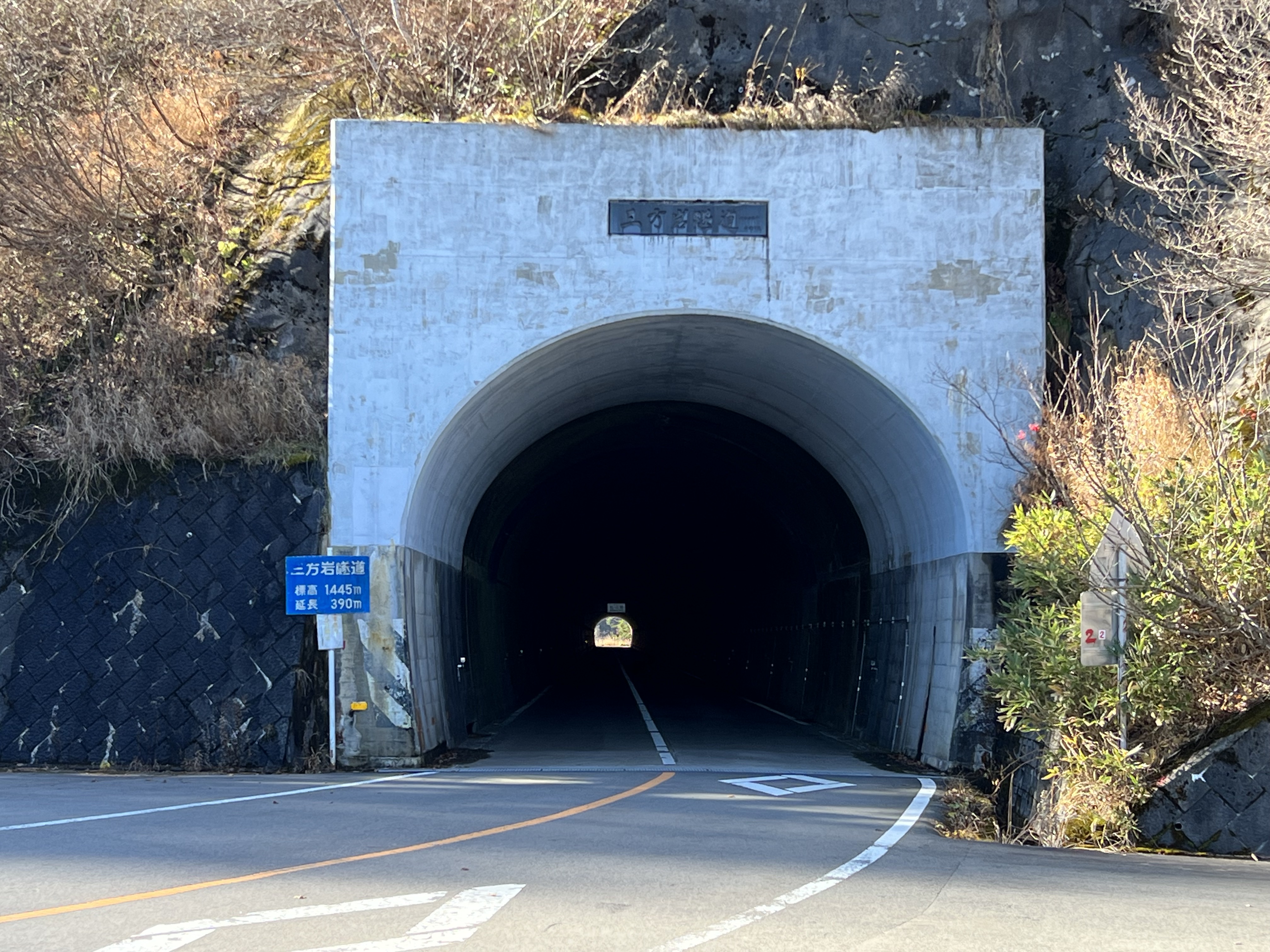
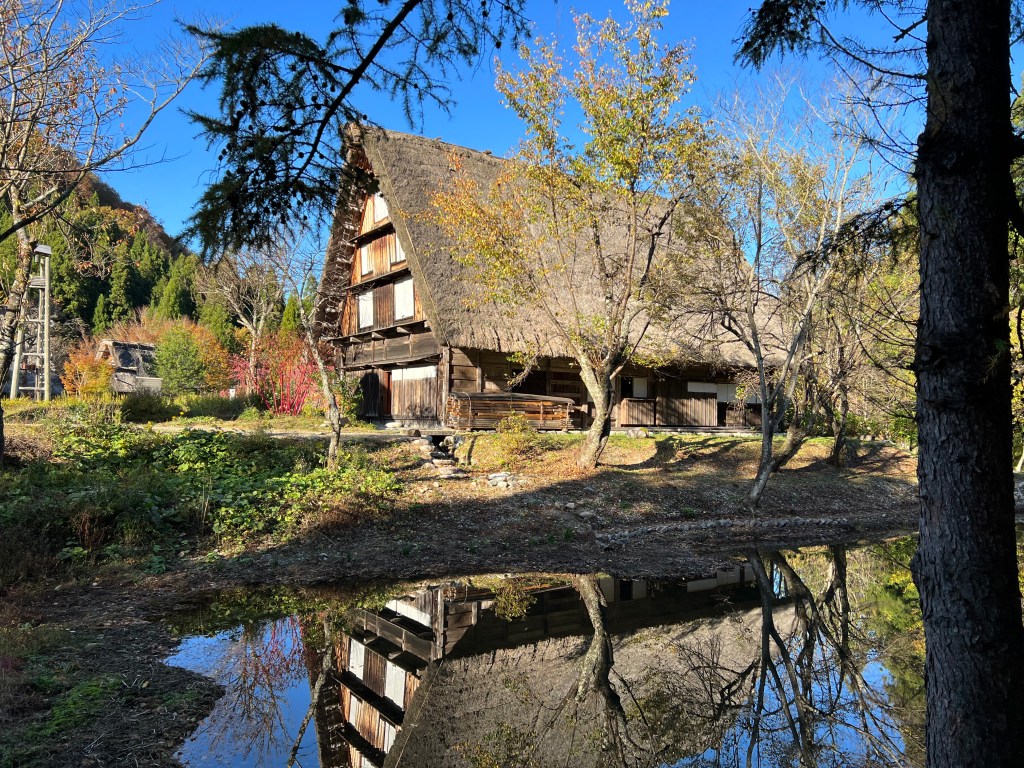
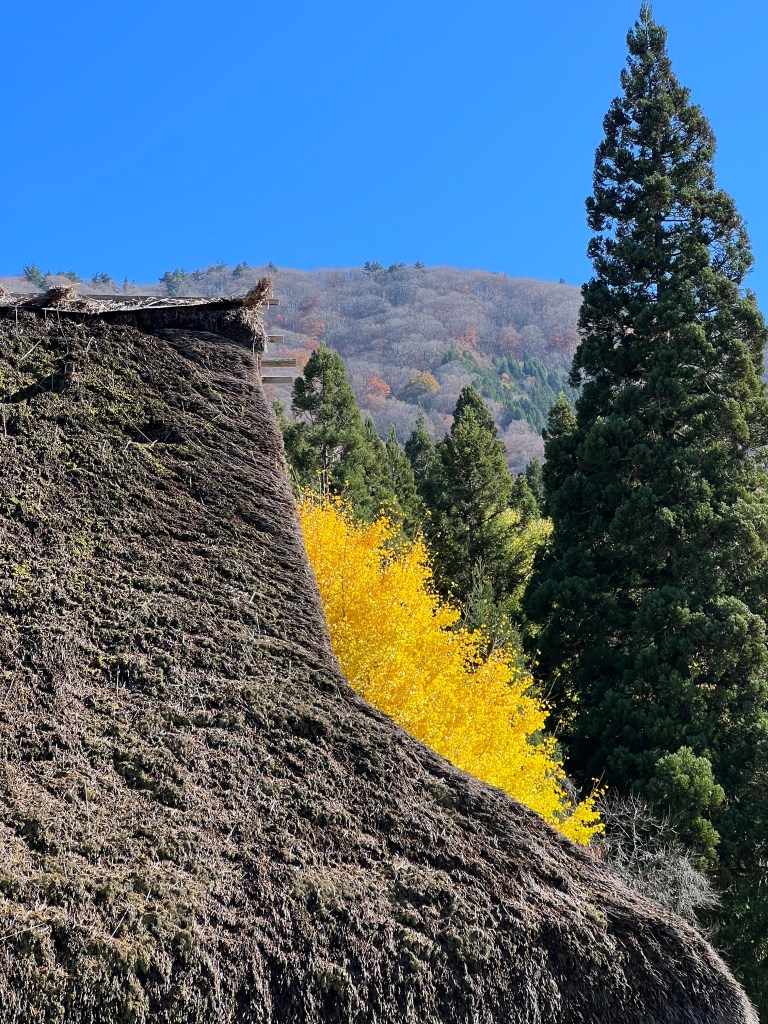
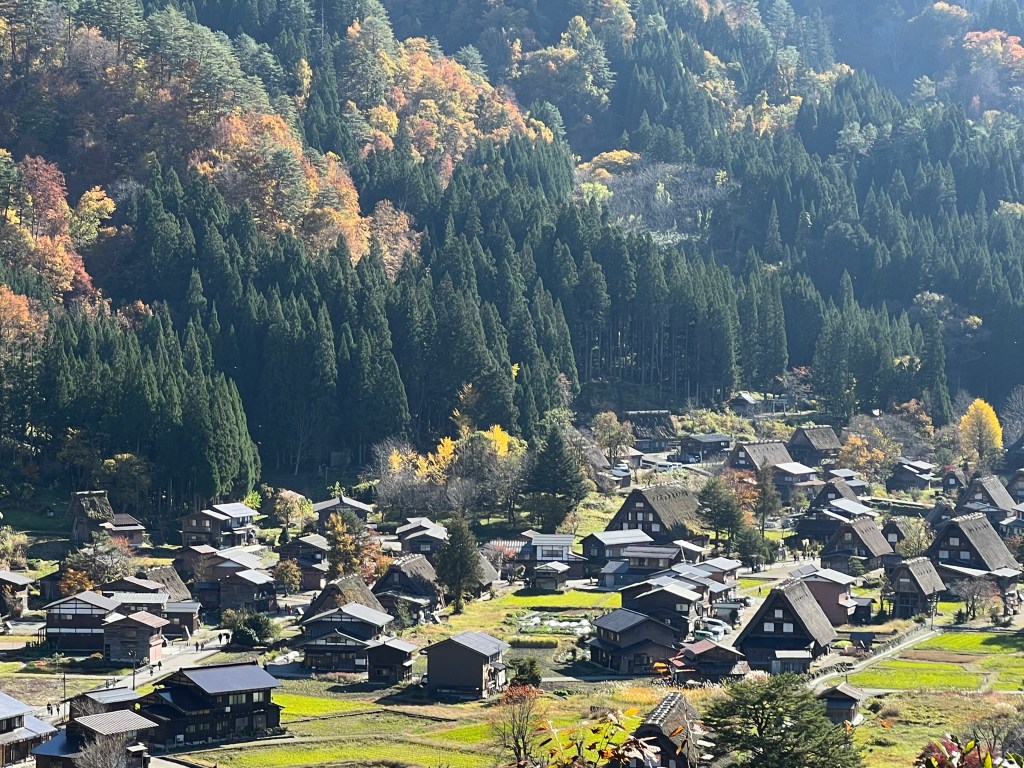
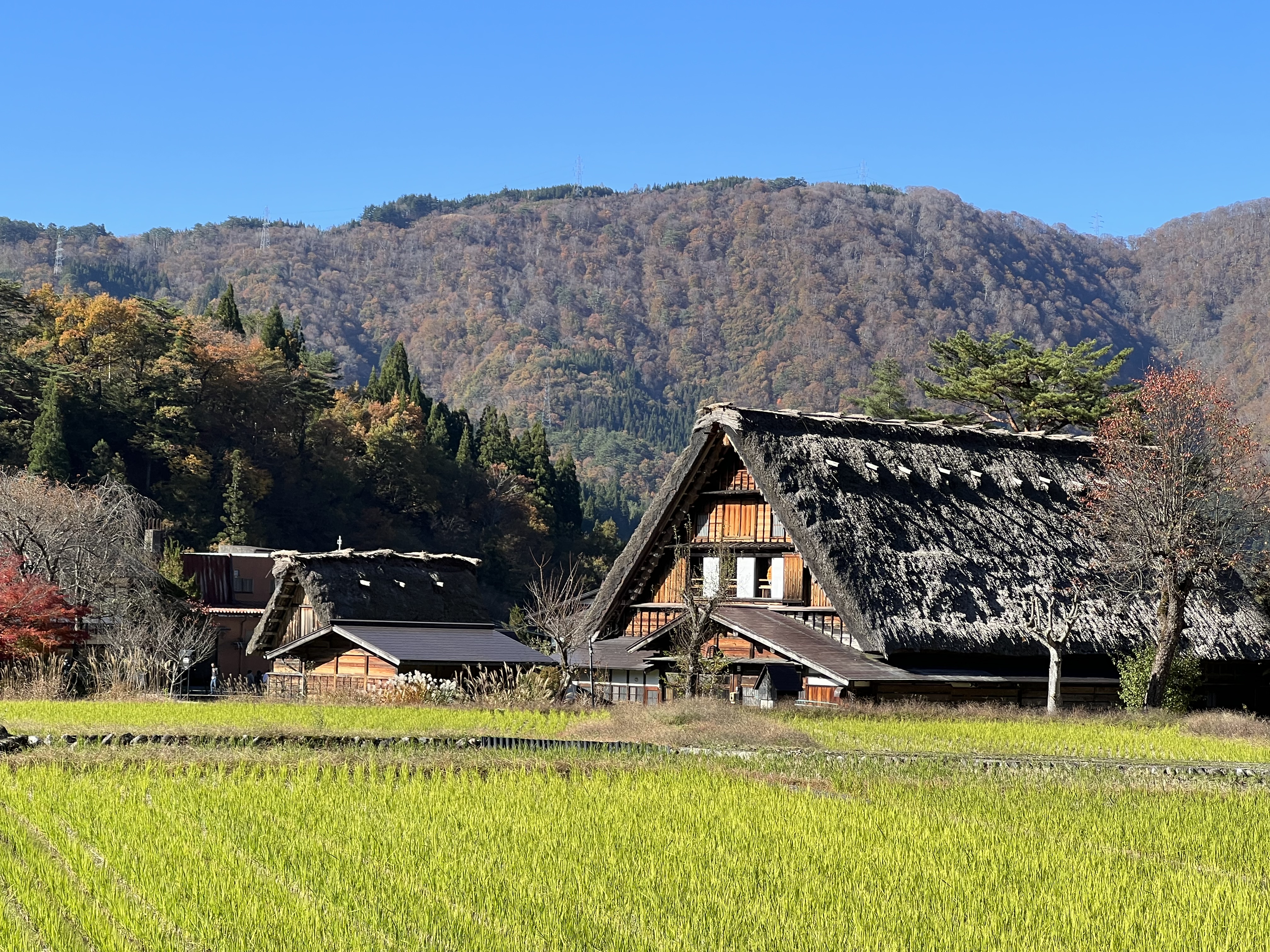
We arrived at Shirakawago in the late morning, along with a fleet of tour buses that disgorged their contents onto the crowded streets of the main town, Ogimachi. There were languages from all over the world, mostly Chinese, European, some Americans and Japanese. It is so picturesque, and it is a little hard to drive in Japan, so most people do come on tour buses. Shirakawago, or old white river, is in the mountains, until recently very isolated because the mountains are so steep and the snow so deep. But tunnels changed all that – we took so many tunnels – I’d have to check but some were pushing 5 miles long – and suddenly we popped out in this little hamlet of beautiful, steep, thatched-roofed homes called Gassho-zukuri, since they resemble hands coming together in prayer. The roofs are a meter-thick with thatch and are extremely difficult to maintain, but they apparently work well in the deep snows that blanket the region in winter. The snow usually flies about now in this region, but today was summer-like, hot in the sun. We toured an old temple, whose roof is also thatched, very unusual, and a large home owned by a wealthy farming family. We preferred the temple house, since it was run-down and very atmospheric. The houses have multiple levels, the very top reserved for the cultivation of silk worms, which were imported and silk became an important local product. The hills above the town rise steeply, and were colored yellow, red, orange and gray from the changing leaves. It may not have felt like fall today in the heat, but the hills are alive with color.
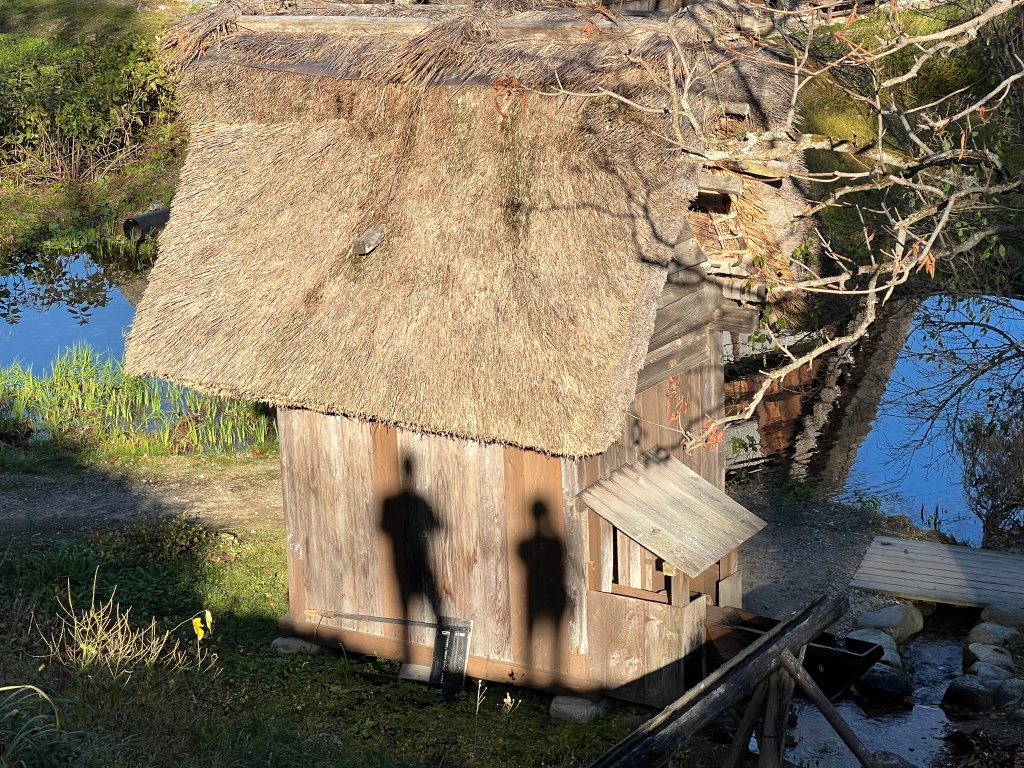
Our favorite time was walking around a little cluster of gassho-zukuri buildings south of the main town, which required an entrance fee. Few people came here, and it was quiet, and the afternoon was approaching, so the afternoon light and calm and sound of water helped you imagine what it might have been like to live here hundreds of years ago. Their lives were hard, very hard. Rice was hard to cultivate, communication with the “outside world” difficult, and the winters were long and hard. We saw the straw coats they wore on their backs for the snow, and all kinds of harnesses for carrying things on your back. There were sleds to haul lumber by hand, and that lumber had to be split by hand. We talked about how my dad, who never wanted to come to Japan, would have actually loved this place, the sense of history, the difficult way of making your way in the world with just some wood and some straw.






 The Thompson Attigs